
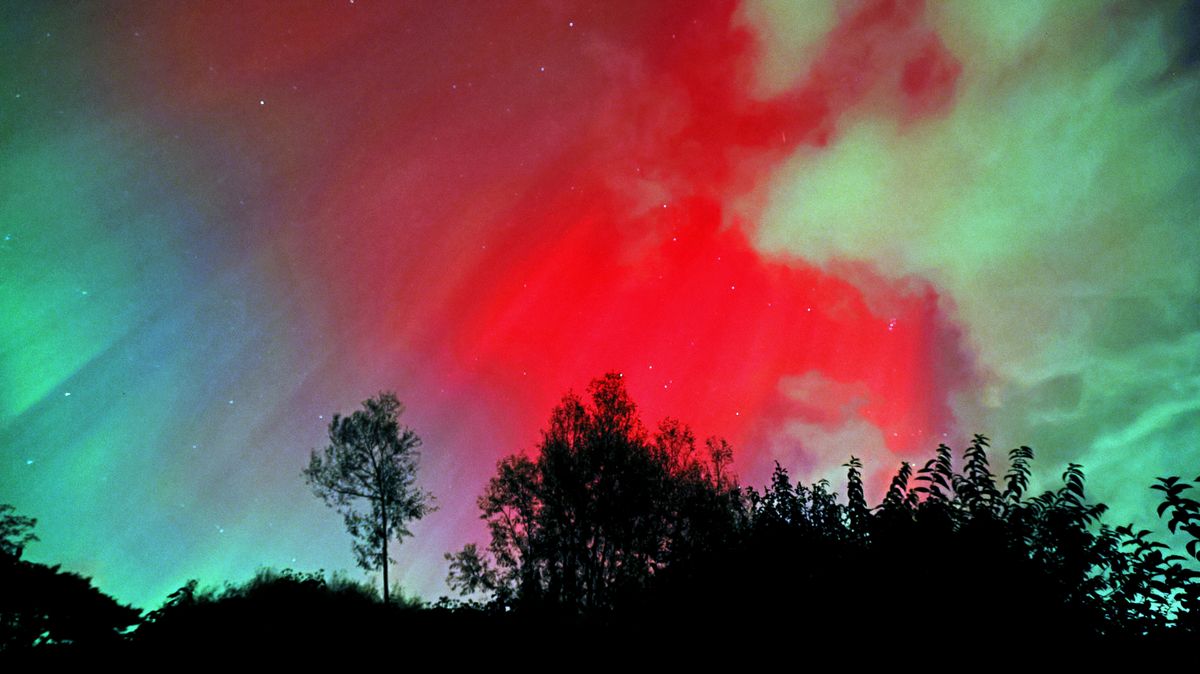
Aurora displays occur when charged particles collide with gases in the Earth’s atmosphere around the magnetic poles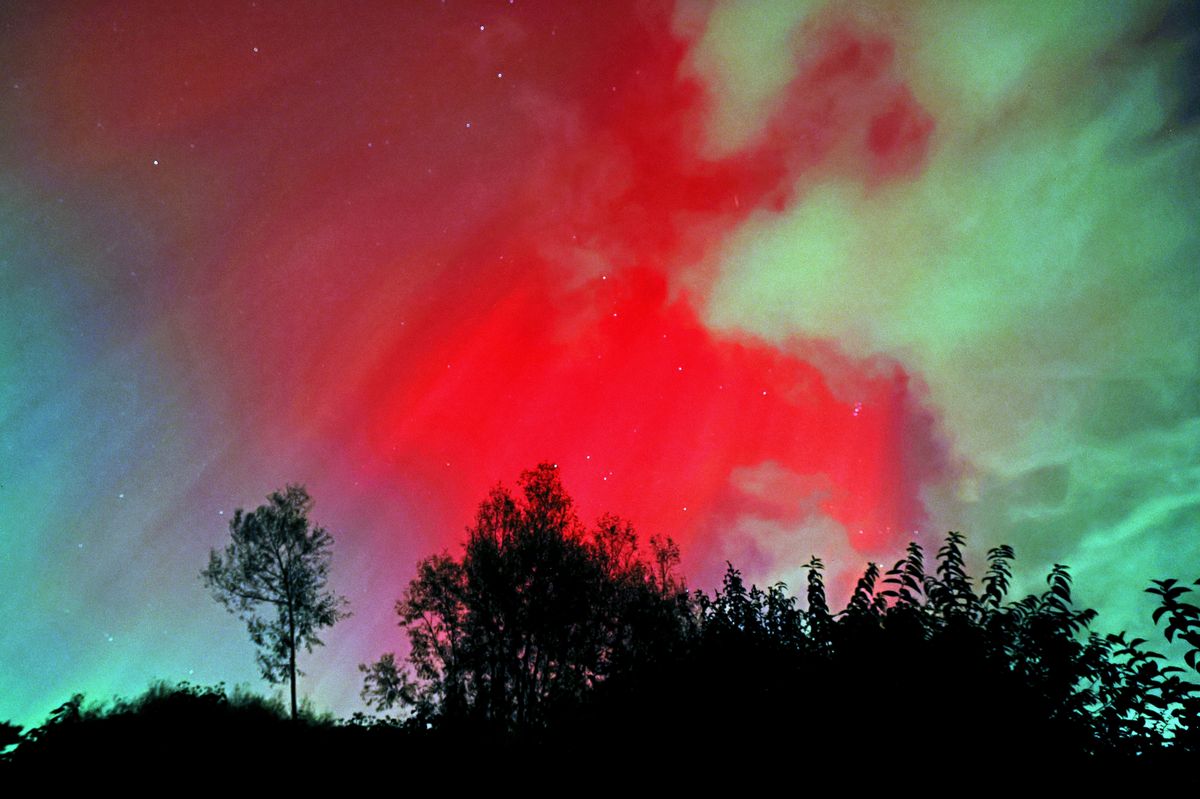
Colourful Aurora Northern Lights over Formby on Merseyside(Image: Liverpool ECHO)
The Northern Lights are forecast to be visible across parts of the UK again this evening after a spectacular display last night. While the Northern Lights are mostly visible near the Arctic Circle and northern Scotland, following a strong storm they were visible as far south as Norfolk on Friday night.
Forecasters suggest that with activity remaining high there’s another chance to see the phenomenon again tonight. In the Met Office’s aurora forecast for the northern hemisphere, it said: “Two Coronal Mass Ejections (CMEs) have arrived during March 20. Further CMEs may arrive during March 21, plus a coronal hole high speed stream is expected to connect to Earth during March 21.
“Periods of enhanced auroral visibility are likely over the following nights, especially Friday and Saturday nights. Aurora may be visible at times, where skies are clear, across Scotland and perhaps northern England and similar latitudes.”
Aurora displays occur when charged particles collide with gases in the Earth’s atmosphere around the magnetic poles. As they collide, light is emitted at various wavelengths, creating colourful displays in the sky. In the northern hemisphere, most of this activity takes place within a band known as the aurora oval, covering latitudes between 60 and 75 degrees.
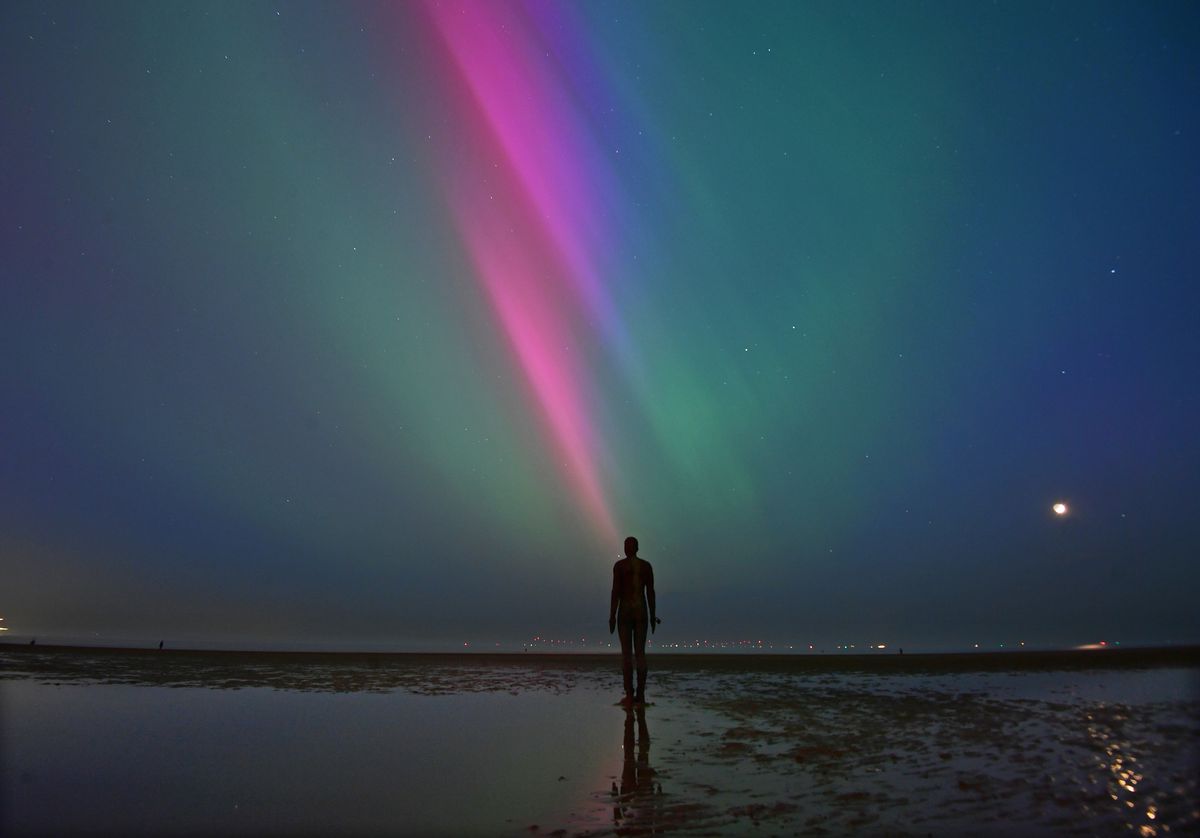
Northern Lights over Crosby Beach (Image: Liverpool ECHO)
When activity is strong, this expands to cover a greater area, which explains why displays can be occasionally seen as far south as the UK. A Met Office spokesman previously said there had been “more space weather events in recent months” including the Northern Lights, because the sun was nearing the peak of its solar cycle.
“The sun’s cycle lasts for about 11 years as its magnetic fields flip, and during the solar maximum phase, there are many more solar flares and solar storms.’
The Met Office space weather forecast for the coming days, said: “The Coronal Mass Ejection (CME) forecast remains complex with multiple features having recently arrived bringing ongoing geomagnetic impacts, and one or more further features remaining potentially enroute, bringing a threat of further enhancement during Day 1 (March 22) although precise details remain very low confidence.
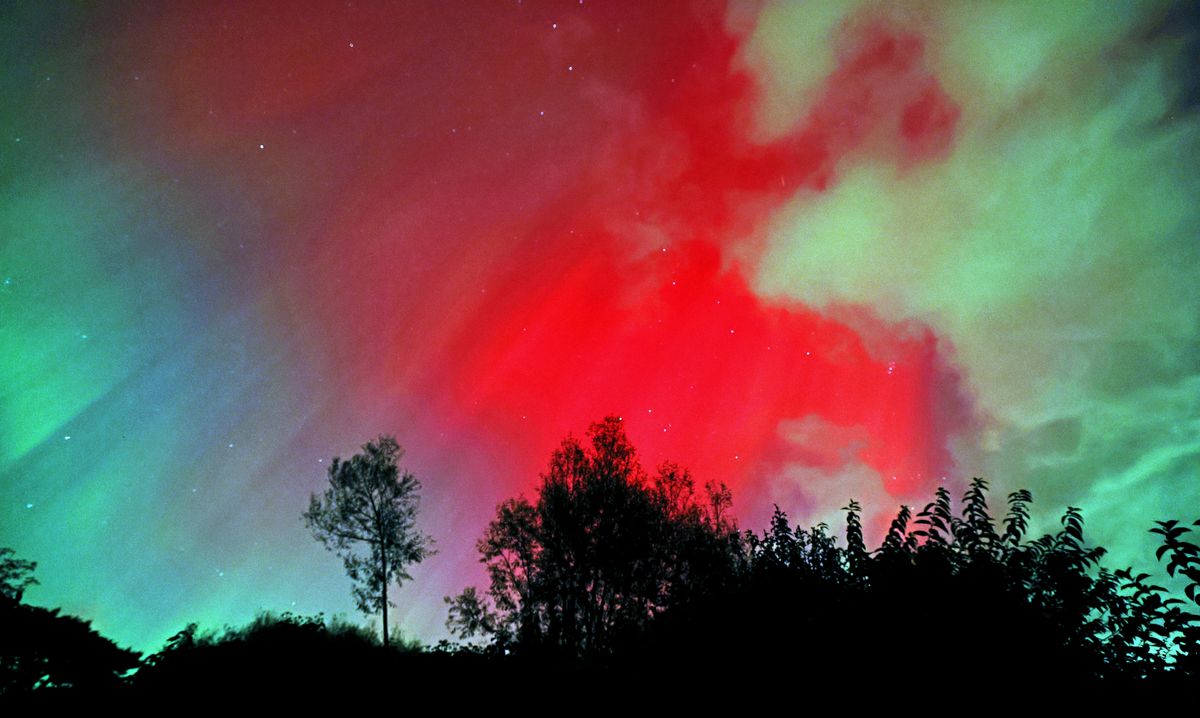
Colourful Aurora Northern Lights over Formby on Merseyside(Image: Liverpool ECHO)
“Combined CME impacts are expected to gradually wane through Day 1 into early Day 2 (March 21-22) with a general increase in the solar wind speed expected during Day 2 (March 22), continuing into Day 3 (March 23), before likely slowly easing by Day 4 (March 24).”
NASA observes the Sun and our space environment constantly with a fleet of spacecraft that study everything from the Sun’s activity to the solar atmosphere and the particles and magnetic fields in the space surrounding Earth.
If they’re directed at Earth, flares and associated CMEs can create long-lasting radiation storms that can harm satellites, communications systems, and even ground-based technologies and power grids, NASA warned.