
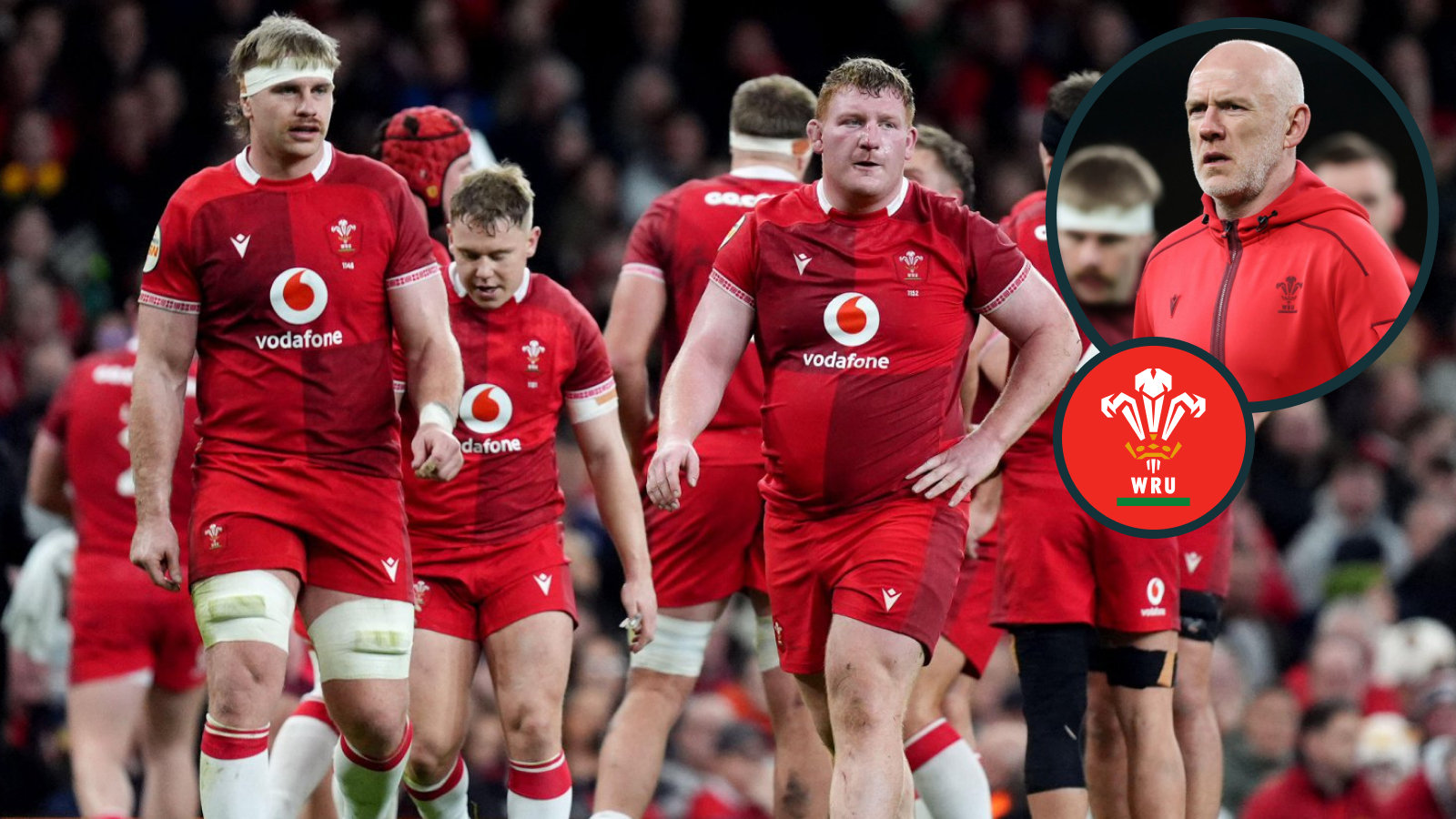
Following the conclusion of the 2026 Six Nations, we update you on the state of the participating nations. Next up, it’s Steve Tandy’s Wales.
Six Nations summary
It started badly, A trip down the M4 to Twickenham where Wales were summarily blown away by an England side playing like a spring zephyr more than a hurricane. You feared the worst for a rugby nation already deep in turmoil.
The home game against France a week later was little better, although at least the French gave the impression of playing at full tilt. But then came Scotland, where the Welsh were suddenly competitive at breakdowns and set pieces, cutting some lines and finding each other with passes. A trip to Dublin was an acid test of the revival and Tandy’s men passed with flying colours despite the defeat.
Were Italy hung over after defeating England? Maybe, but Wales had charged into a 31-0 lead by the time the Azzurri even registered a point, and Wales’ three-year duck was broken. It’s been a tournament of rebirth; well congratulations Wales, Land of my fathers now can be proud of its new, healthy baby.
Standout players
Dewi Lake’s level-headed, earnest captaincy was exactly what Wales needed when times were grim, while in Dan Edwards, Wales have a fly-half who is still learning but who has tremendous upside.
Eddie James is also showing plenty of promise in the centre. Aaron Wainwright remains the workhorse upon which Wales is transported forward, but Alex Mann’s improvement as the tournament went on means Wainwright’s job is far less lonely now. And lest we forget, there was Rhys Carre and those charges…
Stat leaders
Wainwright’s omission from the British and Irish Lions tour is quite possibly in small part due to his belonging to last year’s version of Wales despite his endless work-rate, but his star shone brightly in this tournament, coming in seventh overall in defenders beaten in the tournament and fourth overall in carries.
Louis Rees-Zammit had a quiet tournament in terms of highlight-reel stuff, but he was on the pitch for all 400 minutes, fourth overall in metres made and fifth overall in defenders beaten.
Dafydd Jenkins and Mann were first and second overall in tackles completed, with Jenkins averaging 19 per game. Overall too, Wales had a little win: the 93 per cent goal-kicking rate was best of all the teams.
Success story
This is a team effort. The display against Italy by the end was unrecognisable from the lot that capitulated against England and, to a lesser extent, against France.
Tandy’s honesty and willingness to engage even when the catcalls were loudest speaks volumes of how he steered the ship through some dark moments. Wales now has a back-room that can improve a relatively young team.
No individuals here, for the whole team to turn things around as they did is the big story.
Want more from Planet Rugby? Add us as a preferred source on Google to your favourites list for world-class coverage you can trust.
Main regret
It has to be the lapse in concentration that Scotland exploited. It was difficult to see a way back into the game for Scotland until Finn Russell spotted the space in behind James Botham and set Darcy Graham on a 50m kick-chase to glory.
A two-score game suddenly became a one-score game and you saw the confidence drain from the Welsh. Could a win in game three have changed the course of the team faster?
Would they still be feeding from a wooden spoon if it were not for that try? Coulda woulda, but the shoulda is surely the moment rankling most during the review.
Results
England 48-7 Wales
Wales 12-54 France
Wales 23-26 Scotland
Ireland 27-17 Wales
Wales 31-17 Italy