
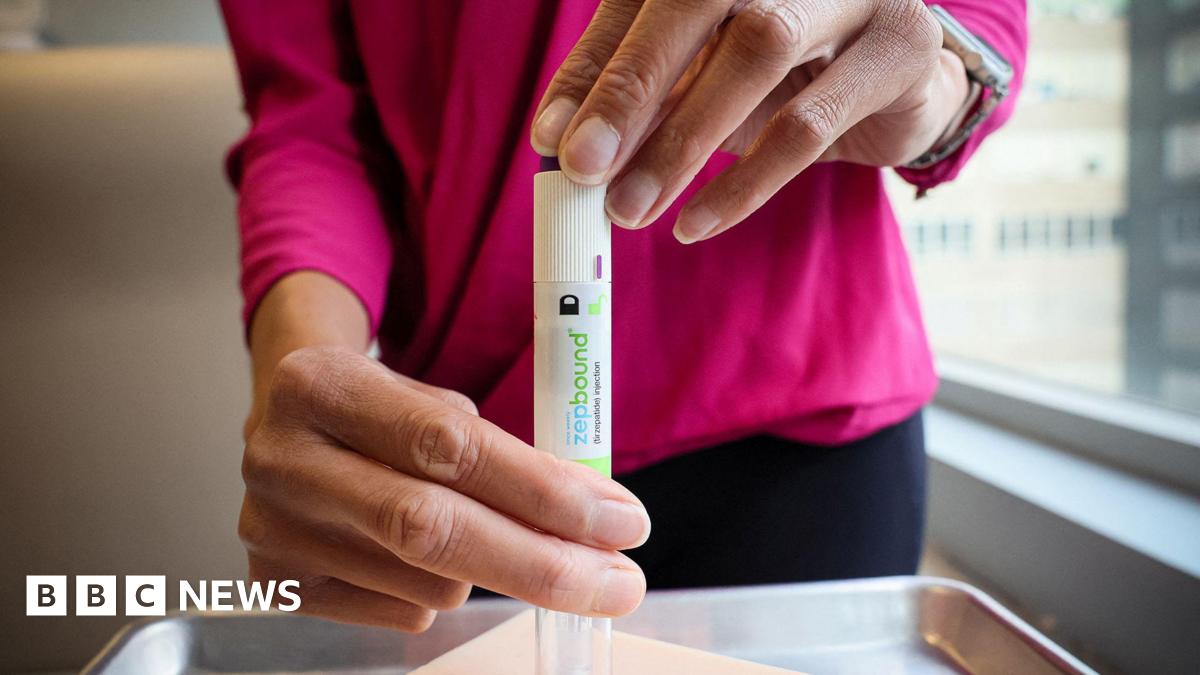
The price cuts helping Gonzalez have caught attention in the US, where prescription medications are notoriously expensive.
They reflect a cutthroat competition occurring between weight-loss drugmakers in the US, as they look to capitalise on a potential sales bonanza in the country, where the obesity rate among adults is roughly 40%.
Normally, such battles would occur behind closed doors, as manufacturers, insurance companies, employers and other firms furiously negotiate coverage, rebates and other factors, before presenting the final bill to patients.
But in the case of weight-loss drugs, known as GLP-1s, many private and government insurers have baulked at the potential costs and refused to cover the medicines solely to treat weight.
That has left millions of people in the US, like Gonzalez, paying for them on their own and pushed pharmaceutical firms to seek and compete for customers like a regular retailer.
They have launched direct-to-consumer sales websites, struck distribution deals with retail giants such as Walmart and Costco, and launched court battles against off-label rivals.
Perhaps most importantly, the firms have slashed their prices.
A starting dose of Wegovy is now available to self-pay patients for just $149 a month, compared with a list price of more than $1,600 a month when it first launched in the US in 2021. Vials of Lilly’s Zepbound start at $299 a month, down from more than $1,000 when it launched in 2023.
Though prices remain higher than in many other parts of the world, they are expected to continue to fall in the years ahead, as patents expire and new offerings enter the market, including lower-priced alternatives like pills.