
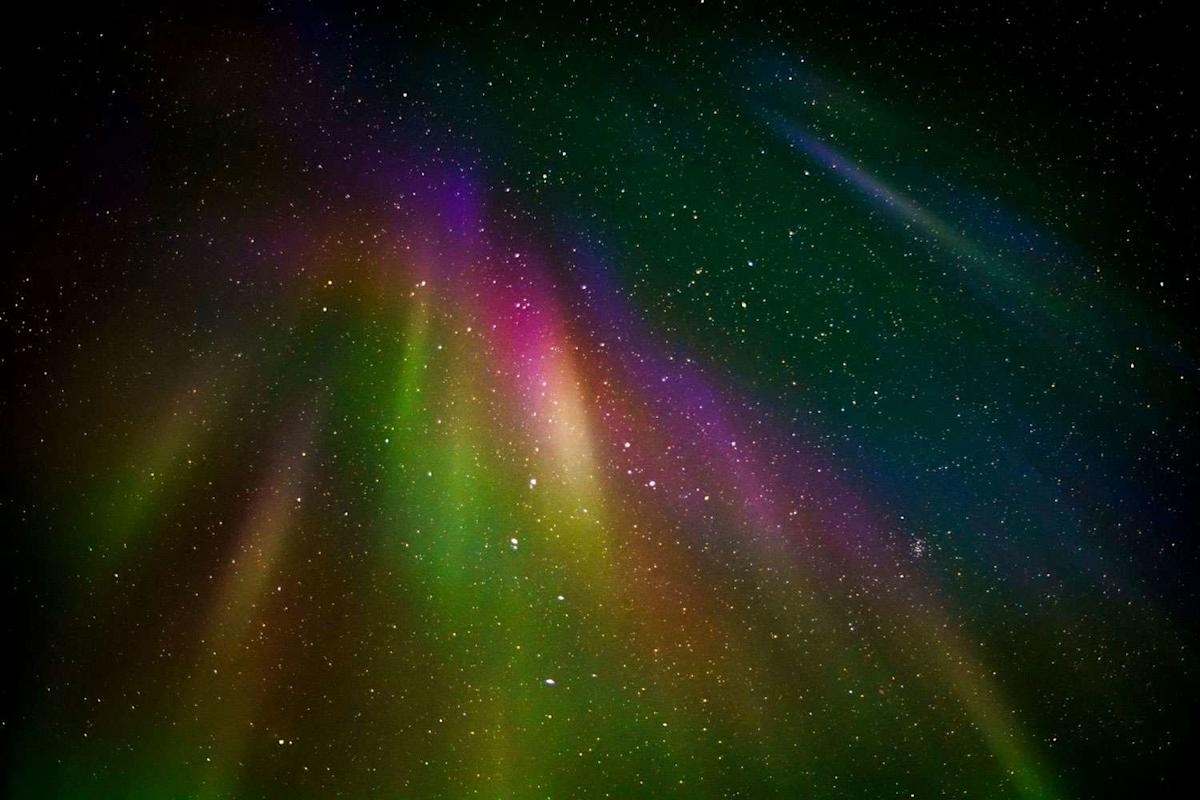
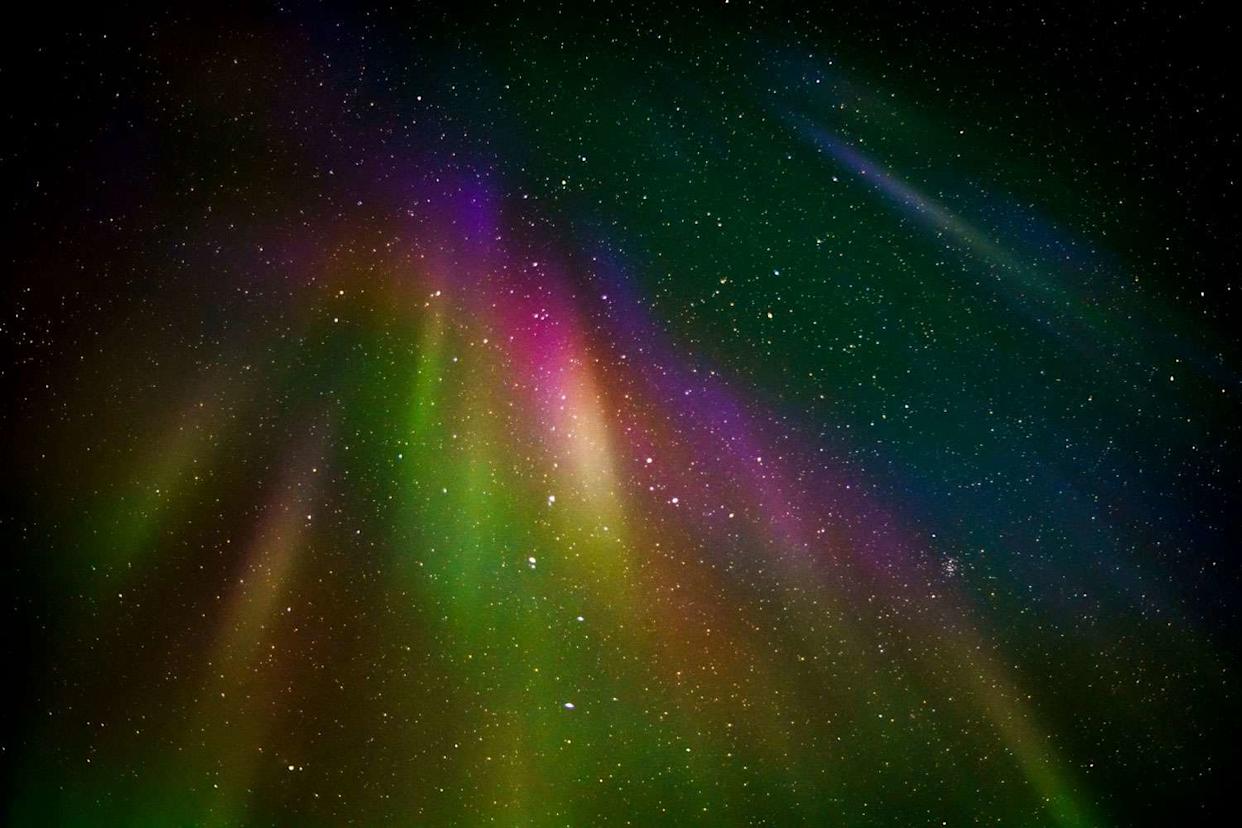
Northern lights and stars, Lapland, Sweden
Credit: Getty
NEED TO KNOW
The northern lights are expected to be especially bright Friday night, March 20, due to strong geomagnetic activity (Kp index of 6), with visibility potentially reaching farther south than usual
This is part of a multi-day solar storm event caused by coronal mass ejections and fast solar winds, meaning viewing chances continue through Saturday, March 21, though slightly weaker
Best viewing spots include Alaska and northern states like Washington, Montana, the Dakotas, Wisconsin and Michigan, with possible visibility as far south as parts of the Midwest and Northeast if conditions are clear
The spring equinox is here, and the sky is celebrating just in time!
If you’ve been craving a little magic to mark the seasonal shift, a surge of northern lights graced the skies this past week, and the auroras will continue to dazzle.
For reference, the northern lights (aurora borealis) are caused by geomagnetic storms, which occur when charged particles from the sun collide with gases in Earth’s atmosphere, creating brilliant waves of light in the sky. Still, their visibility depends on several factors, including intensity and location.
Tonight, heightened solar activity sets the stage for a striking display of the northern lights across parts of the U.S., with forecasts pointing to strong geomagnetic conditions.
According to NOAA, this surge is fueled by bursts of solar energy — charged particles and fast-moving solar winds — colliding with Earth’s magnetic field.
With a Kp index reaching six — on a scale from zero to nine — visibility stretches farther south than usual, making this an especially exciting opportunity for skywatchers.
Even better, this isn’t just a one-night event; activity is expected to continue through the weekend, gradually easing yet still offering chances to catch the glow.
Here’s everything you need to know about when, where and how to watch this stellar event.
When will the northern lights be visible?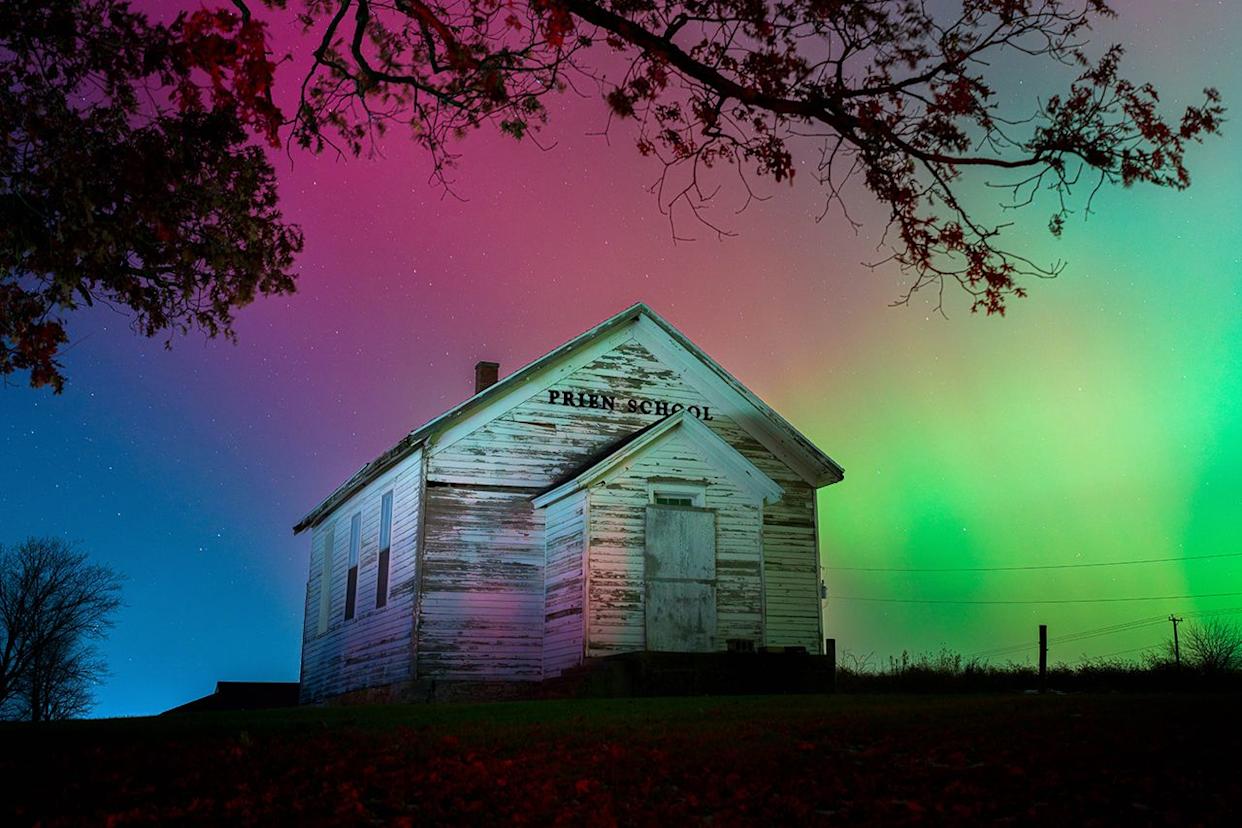
The Aurora Borealis lights up the night sky over Monroe, Wisconsin, on November 11, 2025
Credit: Ross Harried/NurPhoto via Getty
Tonight, March 20, is expected to bring peak conditions, with auroras appearing after sunset and becoming more vivid as the night progresses.
This heightened activity is part of a multi-day stretch that began earlier this week and will continue into Saturday, March 21, though intensity may slightly decrease as the geomagnetic storm subsides.
Where will the northern lights be visible?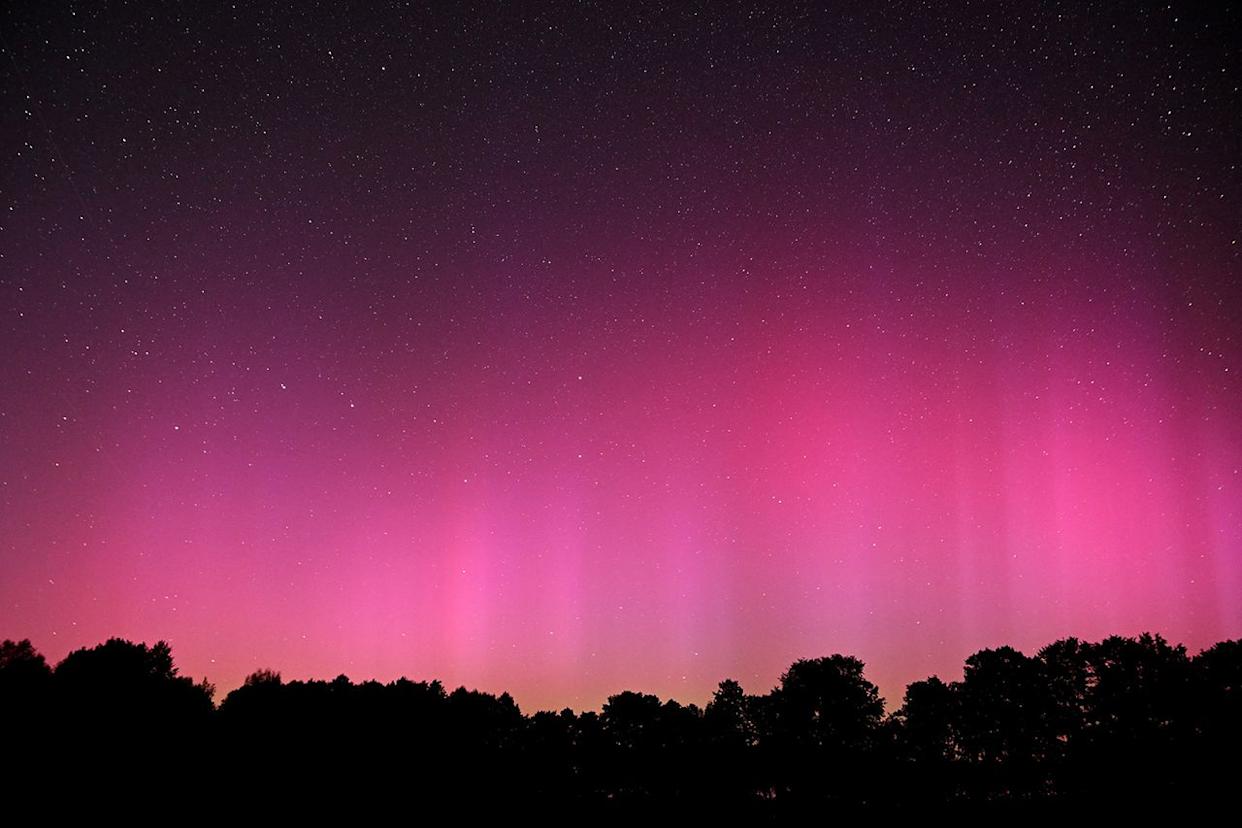
Northern lights over Wigry, Suwalki
Credit: SERGEI GAPON/AFP via Getty
Favorable conditions extend across the northern U.S. states, including Washington, Idaho, Montana, North Dakota, South Dakota, Wisconsin and Michigan.
If weather conditions align, however, auroras could be visible farther south along a broad band that includes Wyoming, Nebraska, Iowa, Illinois, and parts of the Northeast such as New York, Vermont, New Hampshire and Maine, giving more people than usual a chance to witness the display.
How to watch the northern lights?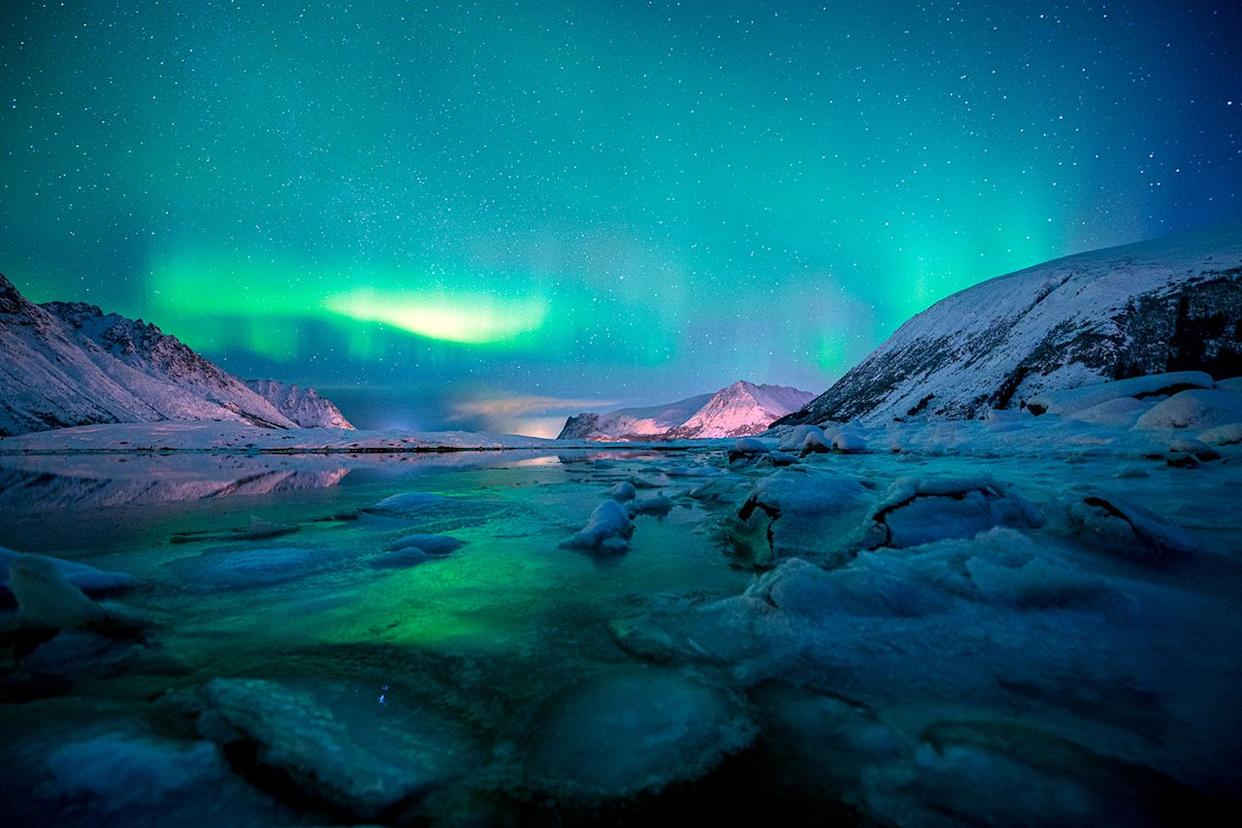
Auroras in northern Norway
Credit: Getty
As always, you’ll want to be prepared to witness this cosmic spectacle.
Choose a location far away from city lights with a wide, unobstructed view of the northern horizon. Elevated spots with minimal light pollution offer the clearest views.
You’ll also want to wait at least 20 minutes for your eyes to adjust to the dark.
How to photograph the northern lights?
You don’t need professional gear to capture the auroras… but it certainly helps!
If you’re hoping to photograph the northern lights, you’ll want to keep your setup as steady as possible, since the auroras are best captured with long exposures. But if you have a smartphone handy, that works just fine.
All you have to do is head to your device’s settings and tap the “Night Mode” option or “Pro Mode” with similar exposure times.
Read the original article on People