
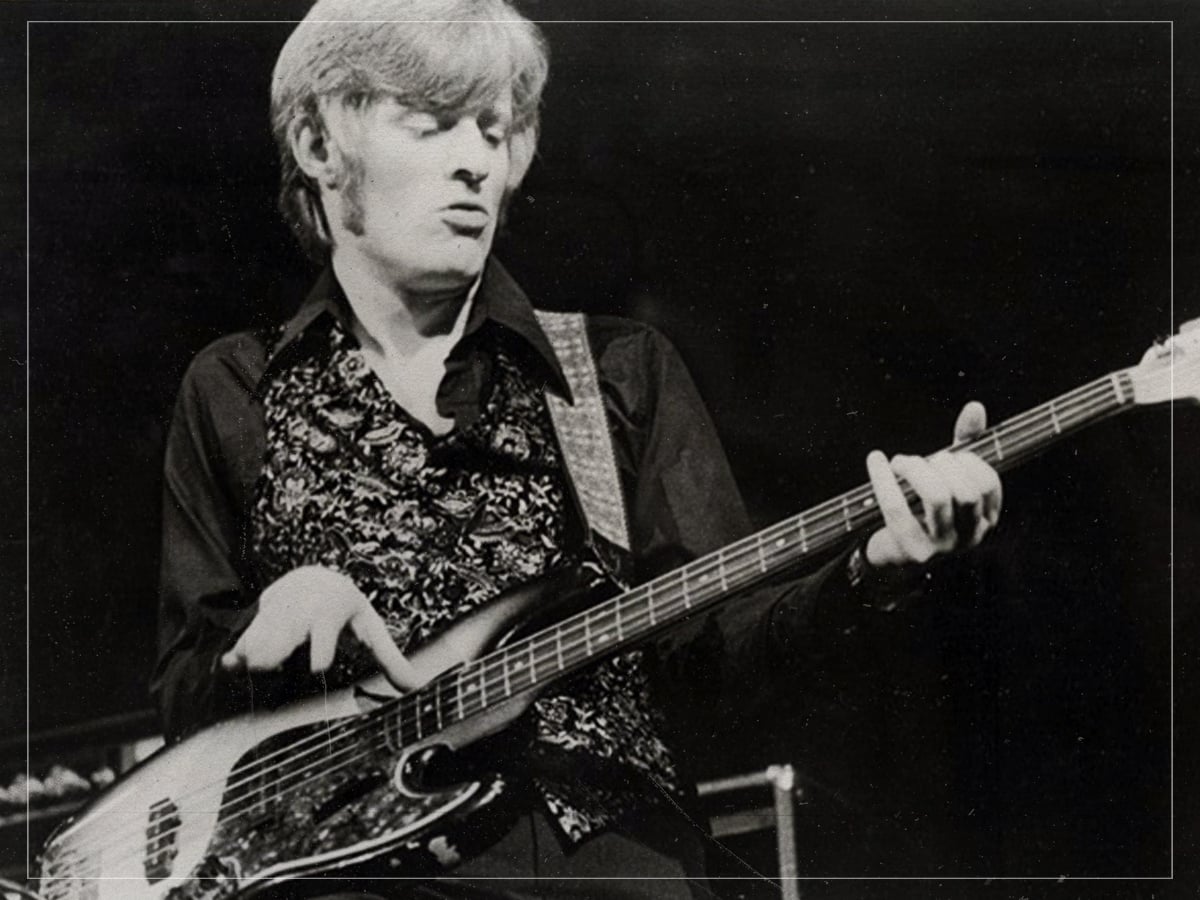
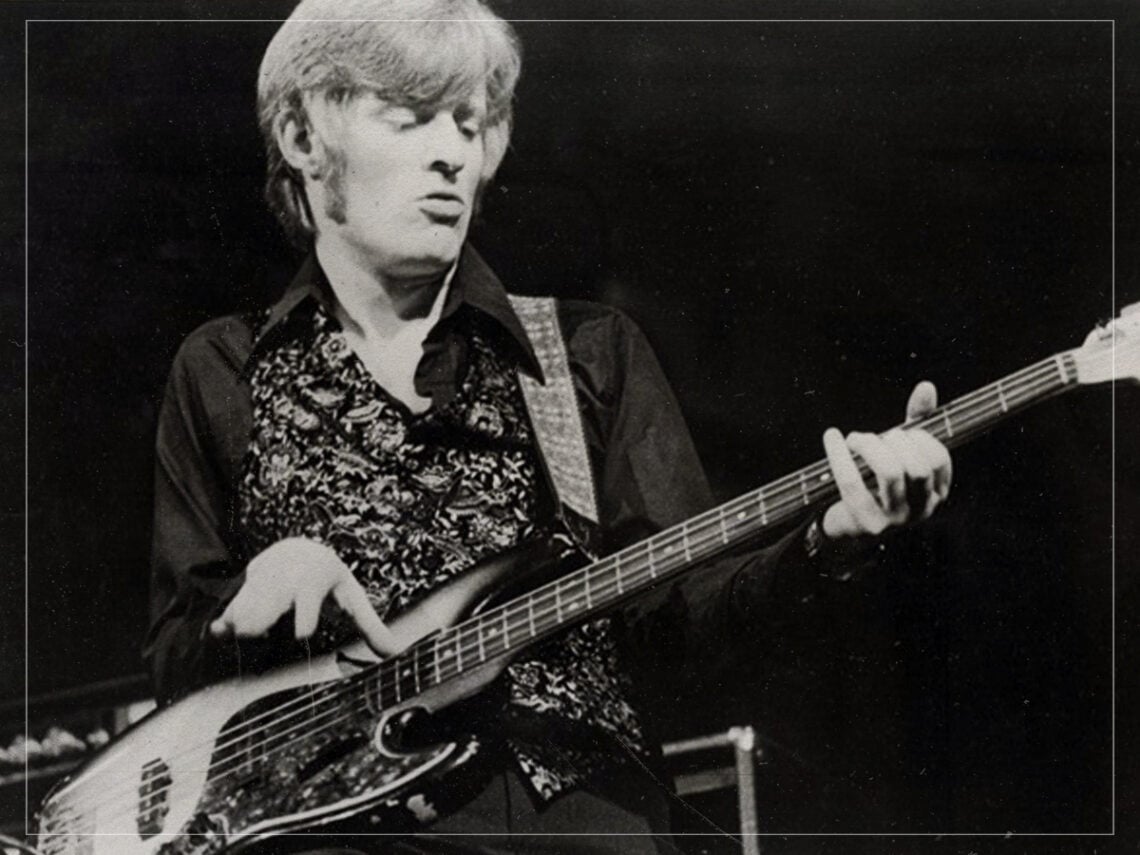
(Credits: Far Out / Led Zeppelin)
Sun 22 March 2026 17:45, UK
You can learn a lot by looking at your peers. The more positive approach is to notice what they do well or what successes they’re having and learn from that. For Led Zeppelin’s John Paul Jones, however, the biggest lesson came from watching what was bringing other bands down like dying flies.
While the 1960s were an incredible time for rock music as some of history’s most iconic bands started up, it was also a period of intense flux. Bands seem to struggle to actually hold onto members, as a lot of musicians spend the decade dipping from group to group.
Let’s look at some examples. In 1963, Eric Clapton joined The Yardbirds. By 1965, he had quit and joined John Mayall & the Bluesbreakers. In 1966, he moved on again to Eric Clapton and the Powerhouse, and later that same year, he joined Cream. By 1968, however, Cream were already releasing their farewell album. He ended the decade by forming Blind Faith in 1969, a kind of supergroup made up of other serial band hoppers, alongside Ginger Baker, Ric Grech and Steve Winwood, three musicians also known for never settling in one place for long.
That sort of hectic schedule repeats for so many of the era’s biggest names. Jeff Beck bounced from unit to unit, so did Ronnie Wood before finally settling down, but Winwood especially was hugely guilty of struggling to stick to one band for too long. Led Zeppelin didn’t have that problem, though, as from when they launched to the moment it was over, it was the same four members.
In fact, they decided after the death of John Bonham that they’d rather call it quits than mess around trying to replace someone who felt irreplaceable, not wanting to be one of those bands that would be a revolving door of members, and for John Paul Jones, looking out at his peers who were constantly switching groups, the problem seemed clear, especially when it came to Winwood.
“Bands like Traffic, who all lived in the same house, by the time they got on the road, they were at each other’s throats,” Jones said. Looking back at Winwood’s 1967 to 1969 group, it was clear to him that the problem was just an intense over-saturation. The members spent every waking minute together, meaning that tensions bubbled to a boil so quickly that the professional relationships were smothered under it.
“They were ready to kill each other, whereas we were all friends,” he said, highlighting the difference between Traffic and Led Zeppelin. In the case of his band, they were strict on these things. They made sure to have actual alone time and a real separation of work and life, he explained, as the ultimate way of working, “You don’t hang around when you’re not working. When you are working, you’re really pleased to see each other. That’s how it was”.
In a weird way, Led Zeppelin not hanging out as friends allowed them to be exactly that. It meant that when they did come together for long tours, they had things to catch up on and chat about and were genuinely excited to spend time together, rather than already being tired of one another’s company.
It seems like a simple thing, but for Jones, it was the ultimate recipe for success, whereas being joint at the hip to your band mates appeared to him as the quickest way to race towards a split.
ADD AS A PREFERRED SOURCE ON GOOGLE  The Far Out Led Zeppelin Newsletter
All the latest stories about Led Zeppelin from the independent voice of culture.
Straight to your inbox.