
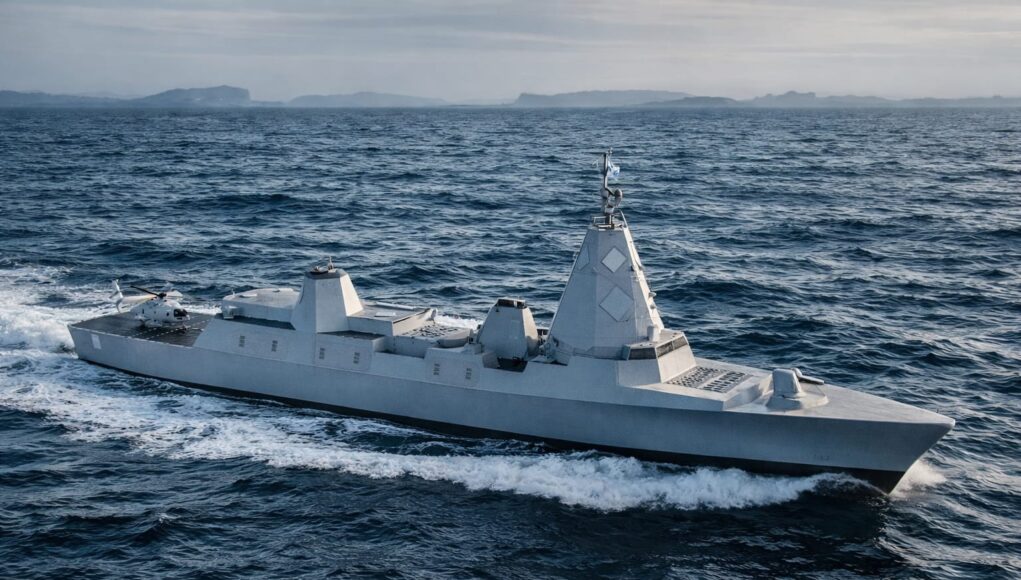
The Prime Minister has said he is insisting there be no delays to the future Type 83 destroyer programme, amid concerns that budget pressures could disrupt momentum in the UK’s shipbuilding sector.
Responding to questions from Labour MP Patricia Ferguson, Keir Starmer said “I do not want delays, and that is why I am insisting that there should not be any delays in the order.” He added that “it is really important that those orders continue in the way that is expected,” signalling an intention to maintain continuity in naval procurement.
He linked the issue directly to the industrial base, stating “shipbuilding is obviously hugely important in Scotland,” and highlighting the recently secured Norwegian frigate deal, which he said would provide “at least a decade’s worth of work in Scotland.” He added that he had visited the Clyde to engage with the workforce and demonstrate that “there is more work in the shipyards for them and for the next generation.”
Starmer also framed shipbuilding within a broader strategic context, noting that the Norway agreement “ensures that there is interoperability between our frigates and Norway’s frigates,” which he described as “an increasingly important part of the strategic work that we are doing.”
On export opportunities, including a potential Danish order for Type 31 frigates to be built at Rosyth, the Prime Minister confirmed the UK was “working very hard on it, including at leader level,” adding “I very much hope we can make progress.” He pointed to existing agreements with Indonesia and Norway, as well as defence cooperation with Turkey, as examples of a wider approach that combines industrial output with closer military integration.
He said such deals are “not just the orders but how we integrate and work strategically with our NATO partners,” underlining a shift toward deeper interoperability and coordination across allied fleets.
Pressed on how to balance exports with domestic fleet requirements at a time when the Royal Navy is under strain, Starmer said “we need both, and we need to get that right,” again emphasising interoperability. “The fact that we and Norway will have the same capability… is a really big step forward,” he said, arguing that standardisation across allies improves operational effectiveness.
He added that lessons from Ukraine had exposed the limitations of fragmented capabilities, stating that “by having different capabilities over the years… it has been more difficult than it otherwise… should have been,” and that he was seeking to improve “co-operation and co-ordination” across European partners.
On wider defence infrastructure, including Faslane and Lossiemouth, Starmer said investment was “kept under constant review” and described maintaining the UK’s nuclear deterrent as “the first priority.” He reflected on a recent visit to Faslane, describing it as “a very humbling experience,” noting the demands placed on submarine crews and their families.