
(Credits: Alamy)
Tue 24 March 2026 12:30, UK
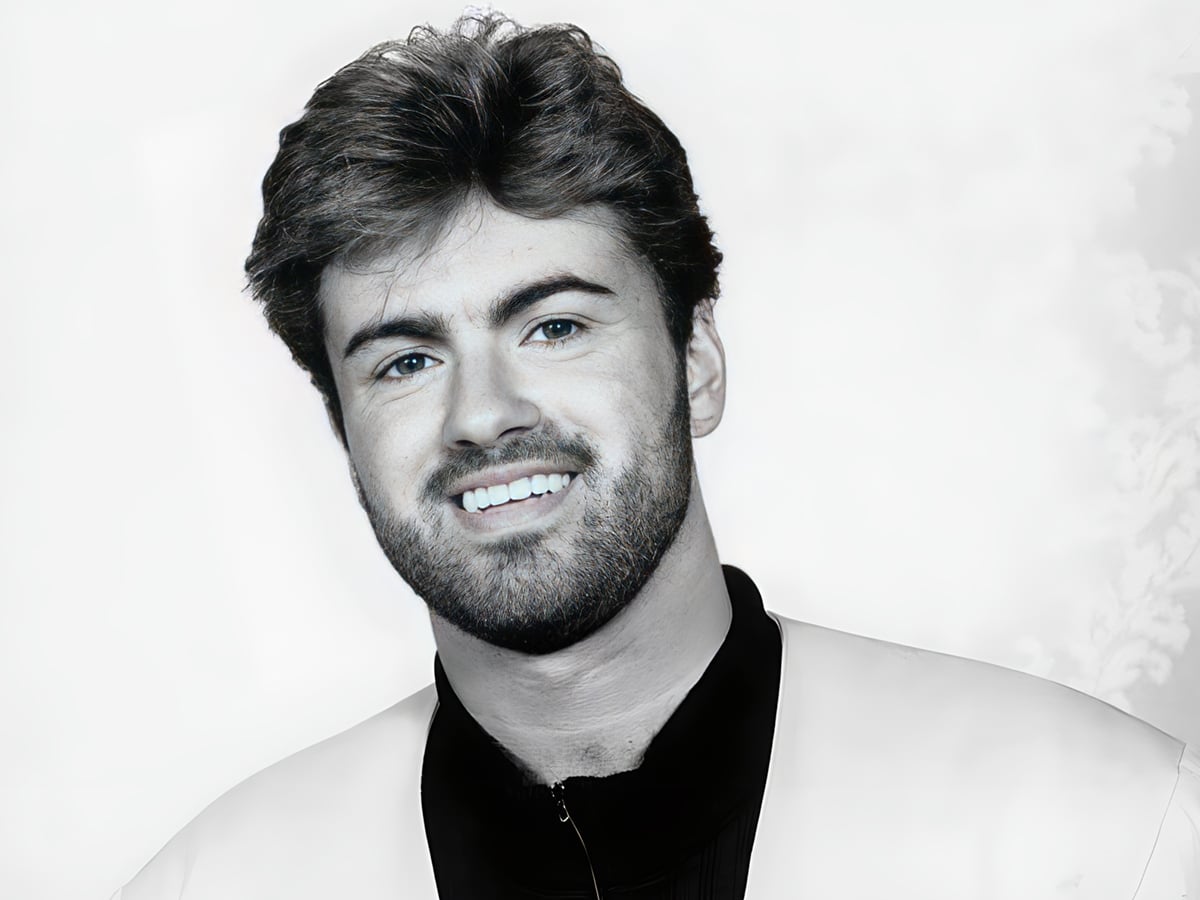
When you look back at music history, George Michael might have been the most tortured soul there ever was, but he always took scrutiny and setbacks in his stride, letting them inform both his art and his view of the world around him.
One of the biggest turning points in Michael’s career occurred in the late 1990s when he was publicly outed in a tabloid-led smear campaign that probably made him want to cower away from the world forever – he’d later discuss the appeal of withdrawing from the spotlight, a move taken by many of his heroes, like Prince, though ultimately let it take him on a pursuit of authenticity, transforming so-called scandal into a positive.
Of course, this path didn’t occur overnight, but as someone who already struggled with the implications of honesty and what this meant in the spotlight, Michael eventually found a way to push back, not only for himself but for a community that was still fighting for justice. Michael had also witnessed how public perception can shift, especially after losing other heroes, like Freddie Mercury, as well as Anselmo, who died from the same disease a couple of years later.
This shift was particularly special during Michael’s tribute to Mercury in 1992, when he performed ‘Somebody to Love’, a moment that proved that not only was he the right person to breathe new life into the rock classic, but that he was the only person to lead the next generation into the new movement, long before he was even publicly out himself.
A performance he later described as his “proudest” moment, Michael didn’t just step into Mercury’s shoes; he drew attention to all the reasons why he became a legend to begin with, not only charming the audience but also the countless legends who also paid witness to the magic. Brian May, for one, later said that, in that moment, he was “pure Freddie”.
Backstage during rehearsals, May witnessed this unfold on stage with David Bowie and Seal as audience members, all visibly in awe as they watched history right before their very eyes. It was a moment you never see anywhere else – when heroes come together to support and praise another hero, all together for a common cause under the intense weight of commending another lost hero they’ll never forget.
For Michael, however, things were arguably more poignant for him than for anybody else in that room, because after all, he’d found out about Anselmo the day after Mercury died, making his performance feel especially profound under the “circumstances”, and naturally, with this at the forefront of his mind, he poured all the emotional weight he could muster into the song, delivering each word with raw honesty.
Describing it as “the loudest prayer of [his] life”, Michael used the song as his own personal outlet, paying homage to Mercury while also beckoning the universe for some resolve. As he later reflected, “It’s not an accident that the performance probably most well known in my career was sung to my lover who was dying.”
You can feel this sense of desperation in the performance, which is also likely why the others could feel him giving his all, even backstage, before he’d even stepped out before the live audience. That said, Michael felt everything he ever set his mind to, which is also what made him one of the most authentic performers who ever lived, even when the public knew nothing about his real life or troubles.
