
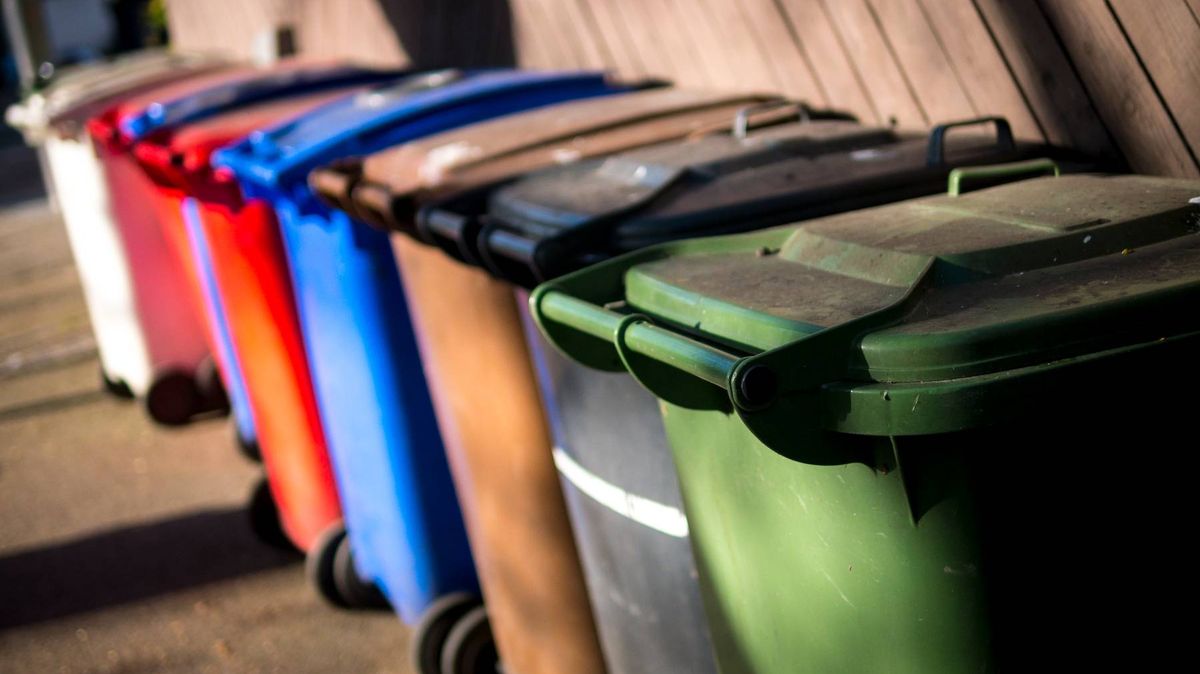
New recycling rules are coming into force across England from March 31, 2026, requiring households to follow some new guidance. If a common item is spotted in your food waste, it may not be collected
Katie-Ann Gupwell Content Editor
10:10, 24 Mar 2026
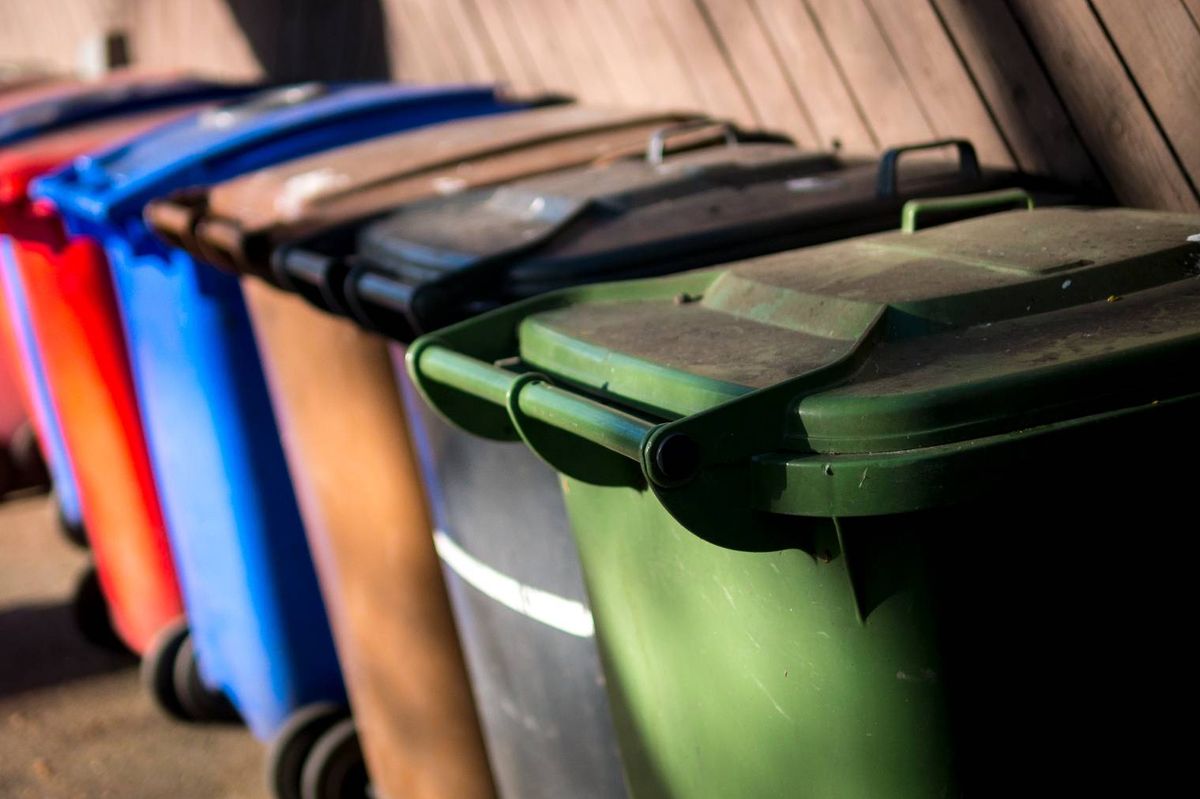
It could prevent your bins from being collected (stock image)(Image: Getty Images/iStockphoto)
Putting the bins out for collection forms part of everyone’s weekly routine, regardless of how much we may dislike it, but there are particular items that should never end up inside. Now there’s another regulation you need to be aware of as recycling guidelines in England will be changing from March 31.
Whilst it may appear straightforward enough to put the rubbish out to be collected, it’s not always as simple as you might think, as it’s essential to ensure items are placed in the correct bins, according to expert advice. If you fail to follow the regulations, you could risk being left with considerable unwanted waste at your property.
This isn’t the first time bin collectors have called on people to act either. A few weeks ago, people were also advised to stop placing another common item in their recycling bins.
Households across England are being called on to prepare now for a major recycling overhaul coming into force on Tuesday, March 31 2026.
To assist people, waste experts at Wheeldon Brothers, who have a substantial following on social media, are warning residents that from that date, food and garden waste must be separated for collection, marking a significant change in how bins are managed at the kerbside.
Under the new regulations, food waste will need to be placed in a dedicated caddy for weekly collection, whilst garden waste will be collected separately, often under a subscription service depending on the local authority. Mixed food and garden waste collections will end in the final week of March.
The firm states that confusion throughout the transition period may result in contaminated bins, missed collections and frustration for households that fail to adapt in time. This is why it’s so crucial to absorb the information.
A spokesperson for Wheeldon Brothers said: “This is one of the biggest changes to household waste collections in recent years. From March 31, food and garden waste can no longer go in the same bin.
“If the wrong materials are placed in the wrong container, bins may not be emptied.” They added that residents should check guidance from their local council well before the deadline and ensure they understand which bin is for what.
The warning arrives as England moves to standardise recycling collections nationwide, with the aim of boosting recycling rates and cutting contamination. Wheeldon Brothers states that early awareness will be essential to avoiding disruption when the changes take effect at the end of March.
Wheeldon Brothers is a family-run waste management company, providing reliable waste services and recycling to homes and businesses throughout Greater Manchester.
New changes you need to know about
The “Simpler Recycling” regulations will come into force from March 31, and all local councils in England will be required to collect four distinct types of waste separately. Typically, this means households will have four separate bins or containers for different kinds of rubbish, but certain areas may already have such systems in place.
Waste collectors will be responsible for gathering food and garden waste, paper and card, other dry recyclable materials such as glass and plastic and non-recyclable waste that cannot be processed. Instead, this will be sent to landfill or used for energy recovery.
Whilst the change will affect councils across England, not every household will experience significant differences straight away. Some local authorities already operate recycling schemes that broadly match the new requirements, meaning residents in these areas may notice minimal change.
This is why it’s always essential to check your council’s guidelines and see what the rules are in your area, and how they may change. One thing people need to know is that food and garden waste must be separated when the scheme starts, which will end the widespread practice of mixing them in the same bin.