
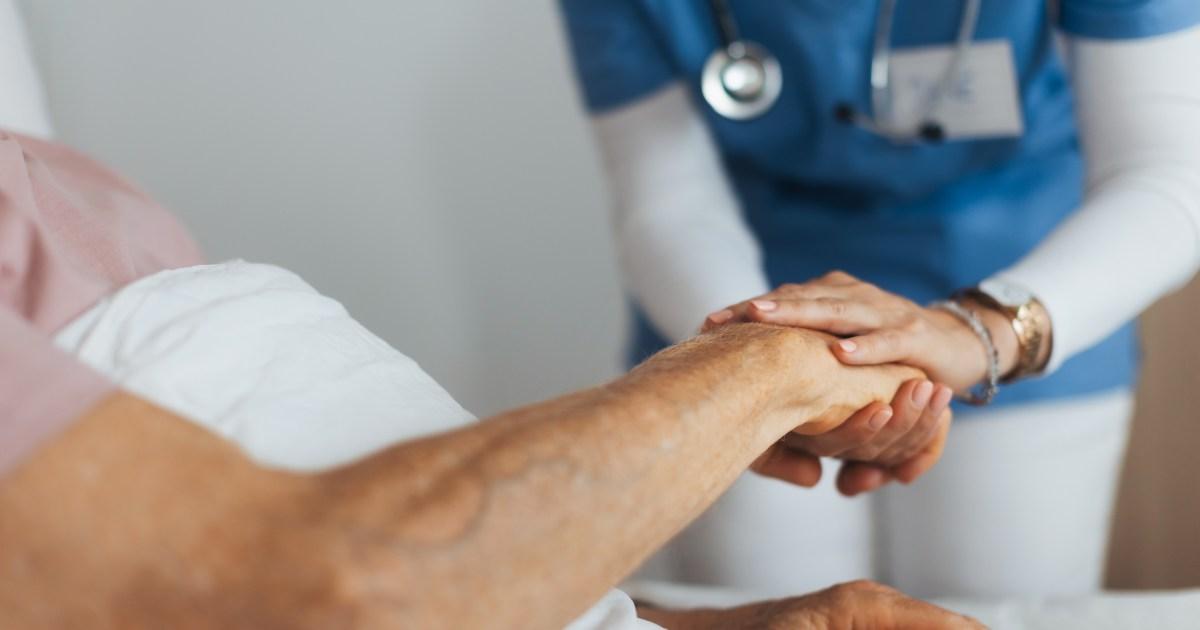
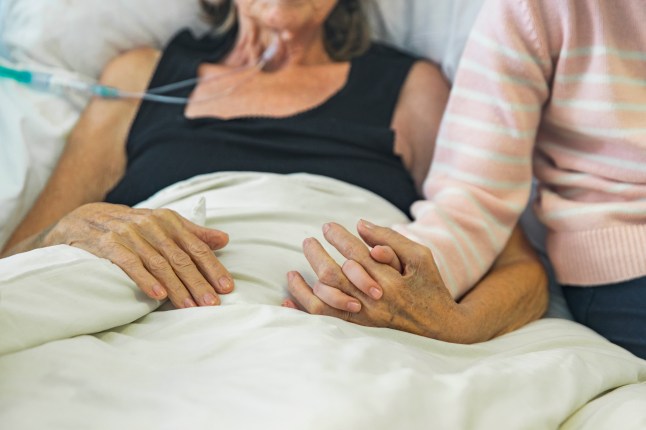
Carol and Rachel say there’s one regret that they see the most often (Picture: Getty Images)
Carol Tefler and Rachel Moore know more than most about dying, as theirjobs involve caring for people as the reach the end of their lives.
Working for the charity Marie Curie, Chaplain Carol and Senior Healthcare Worker Rachel, support patients in the lead up to death, while helping their loved ones navigate the difficult time, too.
The pair tell Metro that working in palliative care means they often see people worry about how their families are coping, while others become consumed with the fear of the unknown.
While it’s undoubtedly an incredibly difficult time for both patients and their families, Rachel and Carol say that when someone approaches death, they see the same five concerns over and over again.
Here, they explain what they are.
1. How does it feel to die?
To get a picture of patients’ mindsets, Carol, who has been in end-of-life care for eight years asks one simple question: is it the lead up, the moment of, or the aftermath to death that they are worried about?
Carol says: ‘The moment of death usually brings uncertainty.
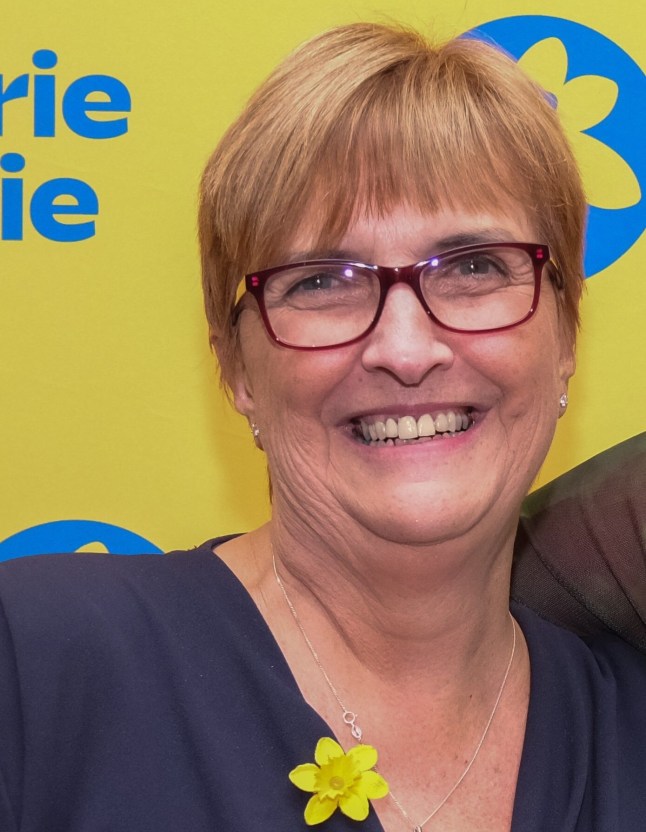
Carol has worked in end-of-life care for just under a decade (Picture: Supplied)
‘They don’t know what it’s going to look like, whether they will be in pain and whether they will understand what’s happening.
‘We explain that they will get personalised support from people who understand end-of-life care so well, they will do everything in their power to make it as pain-free and manageable as possible.’
The chaplain adds that Marie Curie staff work with the patient to plan different aspects of their end of life care, from medication and food they will eat, to who visits them – giving patients some control within the unknown.
Carol says that there can also be ‘fear and anxiety’ around what happens to them after death. ‘Sometimes, patients want to believe that there is something, but they don’t have a faith.
‘Often when I’m talking to people like that, I’ll ask if they have had a loved one die before. One patient said his granny had died, so I asked ‘Do you ever feel like your granny is watching over you? Or if you’ve done something wrong, like she was giving you a kick up the backside?
‘The patient said yes, so I said ‘even if you don’t believe there is something after death, why wouldn’t you be able to do the same thing for your loved ones?’
2. How the family will cope
Rachel has worked in palliative care for three years, and previously worked in the NHS for two-and-a-half decades. She says that a normal concern for people receiving end of life care involves family – from how they are dealing with their loved one dying, to how life will carry on without them.
‘Recently, a patient whose husband had died of cancer was concerned about her stepson. He was biologically her husband’s son, not hers, but she brought him up from an early age.
‘He was 26, so not really young, but she felthe still had lots of things in life he needed a mum for,’ Rachel remembers.
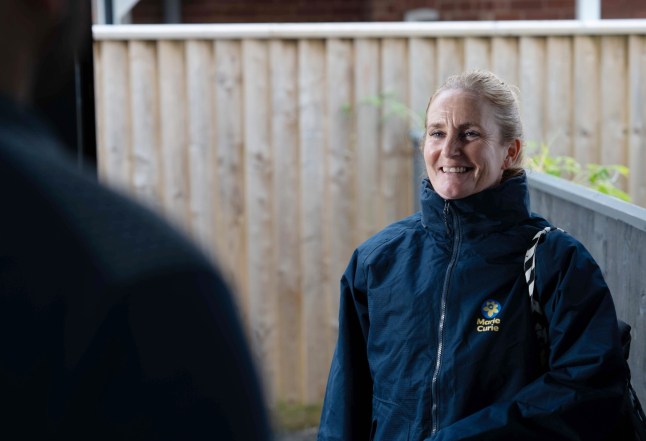
Sometimes, families struggle to understand that their loved one knows they are dying (Picture: Supplied)
‘I spent lots of time with him, explaining what was happening to his stepmum and how she would be supported. I think that helped her a lot, as she was finding those conversations very difficult.’
On the flip side, Rachel says that when someone is dying they can often end up worrying more about how their family are coping, than themselves.
She explains: ‘Sometimes, families fear that their loved one know they are dying, or that they haven’t actually processed what’s happening. Maybe the might not want to leave the bedside, as they’re frightened of their loved one passing away if they go…’ In turn, all of these anxieties can end up causing worry for the patient themselves, says Rachel.
She says it is crucial to have important conversations as soon as possible, as they can help alleviate some of the stress for the person who is dying.
‘Family members will tell me: “we’ve just told Dad it’s okay to go now. We’ve said everything we needed to say”. They’re quite brave to say that. It’s amazing to get to that point.
‘Sometimes, you see the relief on the patient’s face when their family goes,’ adds Rachel. ‘Once the patient feels supported, their family knows they are safe. In turn, the patient knows the family is happy and that makes it easier for them to die.’
3. What will happen to their pets?
‘We have had some unusual rehoming requests for animals, because patients feel they can’t die peacefully until they know that somebody’s going to look after their pets,’ Carol explains.
‘Somebody working at the hospice had to take a patient’s birds because there was no family member to take them.’
Rachel echoes the same sentiment. ‘Pets are really important, to some they are as important as friends or family.
‘Some even bring their dogs into the hospice, they go up on the bed with them.
‘One gentleman had been through so much, and when he was in end-of-life care, his dog had to be put down,’ Rachel remembers, sadly.
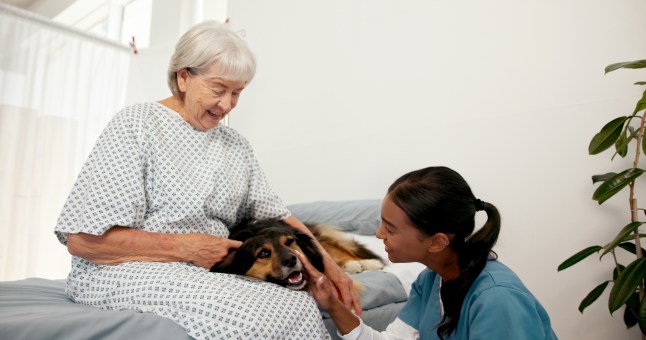
Marie Curie let patients have visits from their pets (Picture: Getty Images)
‘When he passed on, he was holding the ashes of his dog. We were bawling our eyes out, but it was so special.’
4. Being forgotten
‘Sometimes, patients are fearful of the fact that their family will forget them or they’ll miss out on things or they would be part of their family’s life and they’ll all move on,’ explains Carol. ‘So we talk about the sort of events they are worried to miss.’
‘I had a grandmother whose granddaughter was 10, and she knew she would never be able to attend her wedding. Instead, she wrote her a card, and gave it to her son to give to his daughter on her big day.
The chaplain reassured her patient that her presence would be felt on the big day. ‘I said, your granddaughter will know that you loved her enough that you wanted to make sure she had a letter and you would be watching over her on her wedding day.’
Carol adds, ‘Some people even agree to have a seat set beside at a wedding, in their absence.’
5. Past fall outs
Both of the palliative care workers said that this is by far the most common regret of end-of-life patients.
Carol remembers, ‘we had one patient who had been a drug addict and become estranged from his family. He’d been married, had a daughter then had a life of addiction, which pulled him away from the family.
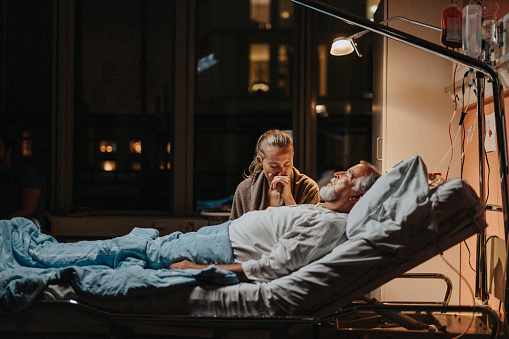
Family estrangement is a common deathbed regret (Picture: Getty Images)
‘His daughter didn’t want to have anything to do with him, but he kept an eye on her from a distance, so he knew who she was.
‘As he was approaching dying, he wanted to get in touch with her because he knew she was pregnant. He said, ‘I’ve ruined everything. I’ve ruined my whole life. There’s nothing good that has come out of this.’ And working with him, we finally managed to get in touch with his daughter.’
Carol says charities like Marie Curie can offer expertise and support in sensitive situations like this, and recommends seeking professional support in reaching out to estranged family which is full of heightened emotions.
‘His daughter didn’t want to be hurt again, or disappointed,’ explains Carol. However, after chatting with the charity’s experts, she ‘worked up the courage’ to visit her dad.
‘She came up to the hospice while she was pregnant and managed to reignite the relationship. Her father gave her a jar of things he wanted his granddaughter to know, like “your mum wore a red dress when she came to visit me”.’
Carol adds that caring for people at the end of their life has taught her a vital lesson: ‘Every moment is precious,’ she says. ‘Don’t waste moments, or put things off.
‘If you’ve got something to see, if you want to tell somebody you care about them, if you want to tell somebody that you love them, just grab the opportunity because you don’t want to miss it.’
Rachel adds that as someone who has also worked on ambulances, she’s seen a lot of traumatic deaths where people haven’t had the time to have conversations with loved ones.
‘That’s been taken away from them,’ she explains. ‘It’s why we need to be mindful of how precious time is and have those conversations while we can.’
Arrow
MORE: The ‘entitled’ but constant wedding guest habit that drives brides and grooms mad
Arrow
MORE: I was trapped inside my own body for nine years
Arrow
MORE: My dad had us every weekend – but he never stopped partying
Comments
Add Metro as a Preferred Source on Google
Add as preferred source