
The Economic and Social Research Institute (ESRI) has warned that rising energy costs linked to the Iran crisis will push inflation to 3.2 per cent this year.
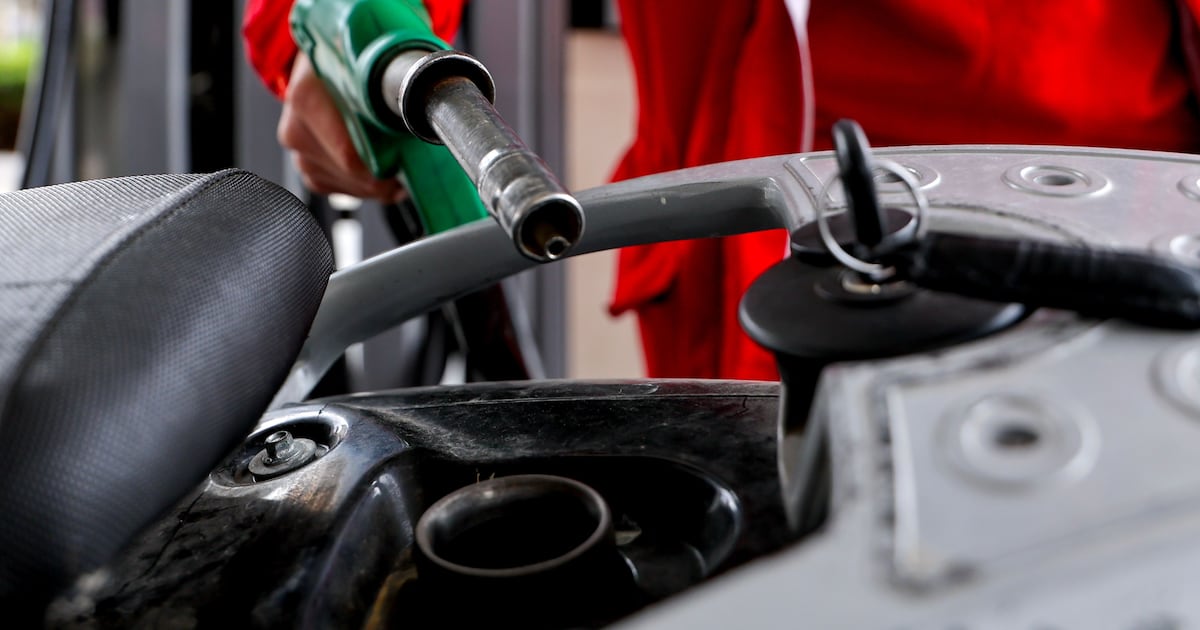
It also criticised Government moves to cut excise duty on fuel as poorly targeted and likely to disproportionately benefit higher-income households.
In its latest quarterly bulletin, the think tank predicts headline inflation in the Irish economy will average 3.2 per cent this year, up from a previous forecast of 2.1 per cent, and remained elevated at 2.7 per cent next year.
A more prolonged conflict in the Middle East with an extended spike in energy prices, however, could see “price rises across a wide range of goods and services” while dampening of economic activity.
Even if the conflict ends soon, there will be a lasting impact on prices here, it said.
“Prolonged disruptions in the Strait of Hormuz would put considerable upward pressure on oil and gas prices, and raise uncertainty,” the ESRI said.
“This is likely to weigh on economic activity through investment and consumption channels,” it said, noting the scale of the impact was dependent on the magnitude and duration of the energy price shocks.
[ Are we on the brink of another destructive price surge?Opens in new window ]
To shield consumers from the current price shock, the Government this week announced cuts to excise duty on fuel.
The ESRI, however, criticised the measures, saying they were untargeted and represented a “subsidy to higher income households”.
 The difficult choices that could dramatically increase housing supply in Dublin
About 50 per cent of the cost of cutting indirect taxes on energy would go to the top 40 per cent of households, Prof Alan Barrett said.
If the Government had designed a policy to give 50 per cent of the Apple tax windfall to the top 40 per cent of households it would be viewed as “strange”, he said.
“If you start having policies that direct money towards higher-income people, it reduces your capacity to insulate those at the bottom,” Barrett said.
Despite the geopolitical uncertainty, the ESRI said it expected the Irish economy to continue to grow in 2026 and 2027, albeit at a slower pace.
It forecast the domestic economy would grow in terms of modified domestic demand (MDD) by 2.1 per cent this year and by 2.8 per cent in 2027 with household spending boosted by a strong labour market.
It warned its forecasts would be reviewed “in the light of the ongoing Iran crisis”.
It said housing output remains a core concern of Government policy while noting annual completions need to be approaching 50,000 units if national targets are to be met.
While new dwelling completions rose to over 36,000 last year, the institute said that based on the forward indicators such as commencements and planning permissions, “it is difficult to see further upward momentum in housing output”.
“For now, we expect housing output to remain in the mid-30,000s in 2026 and 2027,” it said. The ESRI expects approximately 37,400 units to be completed in 2026 and 38,000 in 2027.
It warned that if the current energy price spike feeds into construction inflation that would pose a further risk to Government targets.
In its report, it also raised concerns about the capacity of the economy to deliver on so many infrastructure needs “in a limited time-frame, and point to the need for prioritisation.”
“This point becomes more important if the Iran crisis lead to construction inflation,” it said while noting tariff-related uncertainty had not ended.