
The NHS trust in Kent delayed alerting the UK Health Security Agency (UKHSA) to the suspected meningitis outbreak for two days.
The Queen Elizabeth the Queen Mother Hospital in Margate first reported a case of meningitis to the UKHSA on Friday March 13, two days after an infected patient arrived at the hospital on Wednesday evening, according to the BBC.
Invasive meningitis is classed as an urgent notifiable disease, so under Health Protection Regulations 2010 it is a requirement to report cases to health protection officials as soon as a case is suspected. Hospitals do not have to wait for tests and a formal diagnosis.
Despite this, East Kent Hospitals University Trust waited for a formal diagnosis via a confirmed test before alerting the agency.
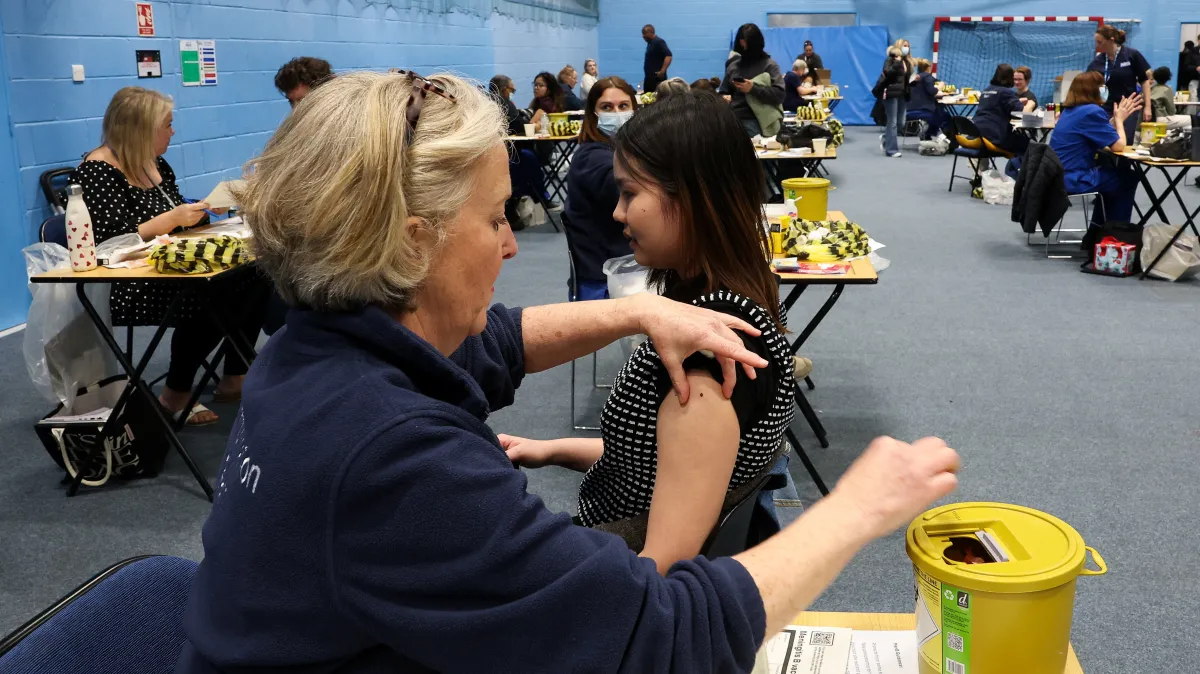
 Students and locals queueing up for vaccines on the University of Kent campus last weekTOBY MELVILLE/REUTERS
Dr Des Holden, the acting chief executive at East Kent Hospitals University NHS Foundation Trust, said: “We recognise there was an opportunity prior to diagnosis being confirmed on Friday 13 March to notify UKHSA.
“We cannot go into the detail of individual patients’ care, but the Trust has been in close contact with UKHSA since Friday 13 March to discuss the management of patients presenting with suspected meningitis.”
Wes Streeting, the health secretary, said that he was “taking this seriously”.
Speaking on Times Radio, he said: “By mid-morning on Thursday, the staff at that point suspected meningitis. From that point, mid-morning on Thursday, they had 24 hours to notify the UK Health Security Agency. They did so in 26 hours.
“There was no material impact from that delay. There was no one who we believe had transmission passed on, or someone that we didn’t capture in terms of contact tracing as a result of that delay.”
However, Paul Hunter, a professor of infectious diseases at the University of East Anglia, said delays in raising the alarm still matter if no further cases spread, because it might delay those infected from seeking care in time to prevent the worst outcomes.
He said: “People were unaware that they were at risk, that there were cases of meningitis, so they may have minimised their own symptoms and delayed seeking care, such that ultimately the severity of their disease and the possibility of long term life changing disability increased.”
Meningitis can be deadly, and without swift treatment can cause blindness, loss of limbs and brain damage.
Hunter added: “I think that delay is indefensible. There are very clear guidelines around the 24-hour requirement [to report], and that is based on initial suspicion.”
Two people have died in the outbreak, and four were in intensive care as of Monday.
Juliette Kenny, 18, died 12 hours after arriving at a hospital on March 13. Her father has called for better access to the vaccine to avoid the “pain and tragedy” they have experienced.
Daily Briefing newsletter
Get our top stories and exclusive analysis sent straight to your inbox every morning.
Sign up with one click
Streeting admitted that the delay in the report was “still not good enough”. He said the UKHSA has improved the East Kent Trust’s protocols for reporting cases, and he expects “a further report on what happened and why”.
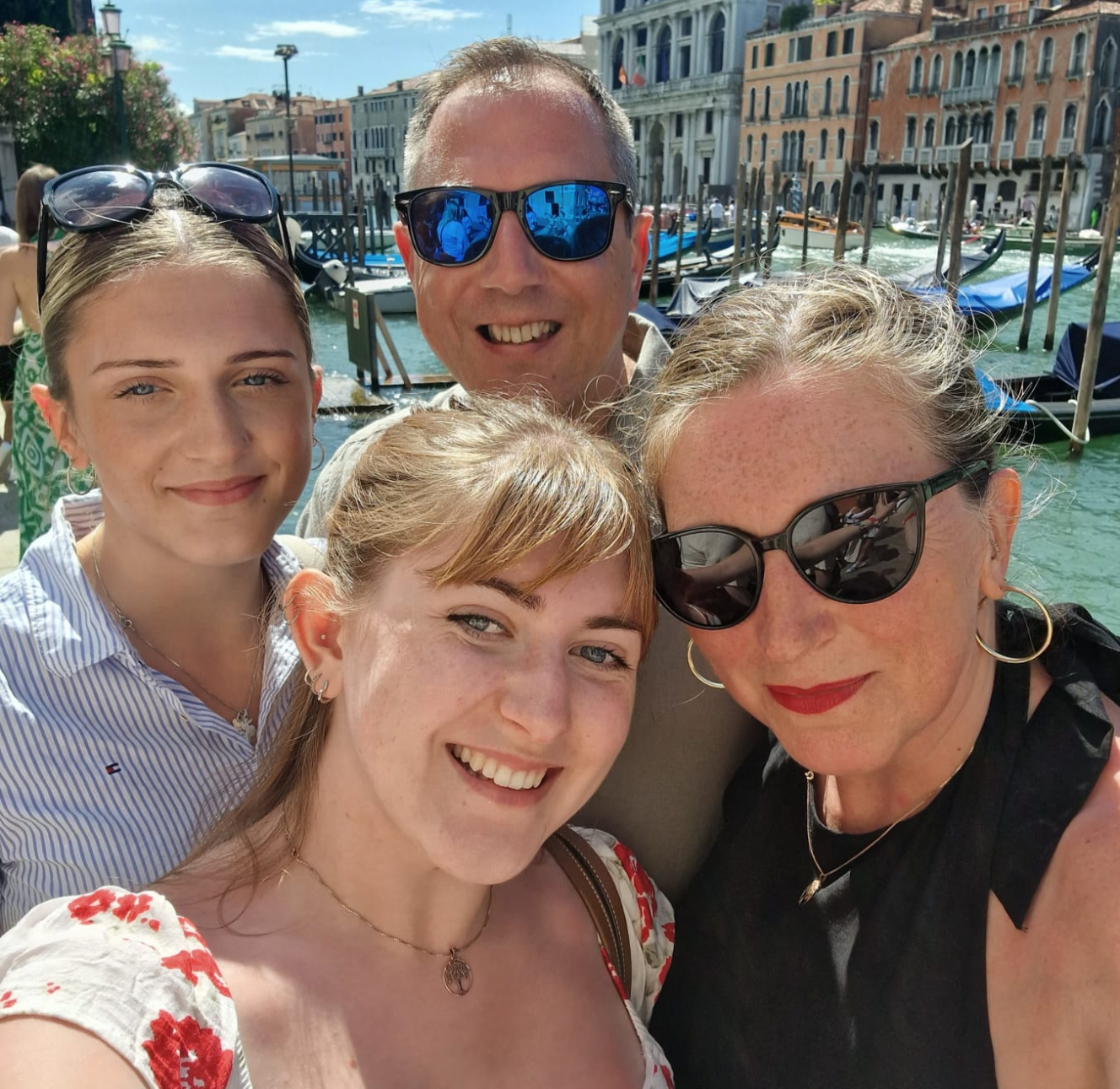 Juliette, Michael, Rebecca and Florence KennyMeningitis Research Foundation/PA
There were 20 confirmed cases of meningitis B on Monday, according to the health agency, all of whom were hospitalised. This is a fall from 29 suspected and confirmed cases on Sunday. The UKHSA said the peak of the outbreak was on March 13, the day the Kent hospital first reported the case.
Officials began to vaccinate University of Kent students on Wednesday March 18. As of Tuesday, more than 13,000 doses of antibiotics and over 10,000 vaccines had been administered.
Dr Tom Nutt, head of the Meningitis Now charity, said: “When it comes to meningitis, time is absolutely critical. Early diagnosis, rapid communication and swift public health action can save lives.
“While we recognise the pressures facing NHS teams and the complexity of diagnosing meningitis in its early stages, the scale of this unprecedented outbreak highlights the importance of early diagnosis and of notifying public health authorities. Timely alerts can enable faster contact tracing, ensure preventative antibiotics are delivered rapidly and wider protective measures are taken.”
The charity is calling for wider access to the meningitis B vaccines. Nutt added: “We welcome the honesty shown from the East Kent Hospitals NHS Trust in acknowledging that there was an opportunity to act sooner, and it is vital that any lessons from this are quickly identified and embedded across the system to help prevent similar situations in the future.”
The UKHSA said: “UKHSA has well established processes for dealing with single cases or cases where there are small numbers of people affected including offering antibiotic prophylactics to household or family members or people that have had an overnight stay during the incubation period.
“The events of Saturday night with acutely unwell individuals triggered a large-scale public health response on Sunday as the information emerged.”