
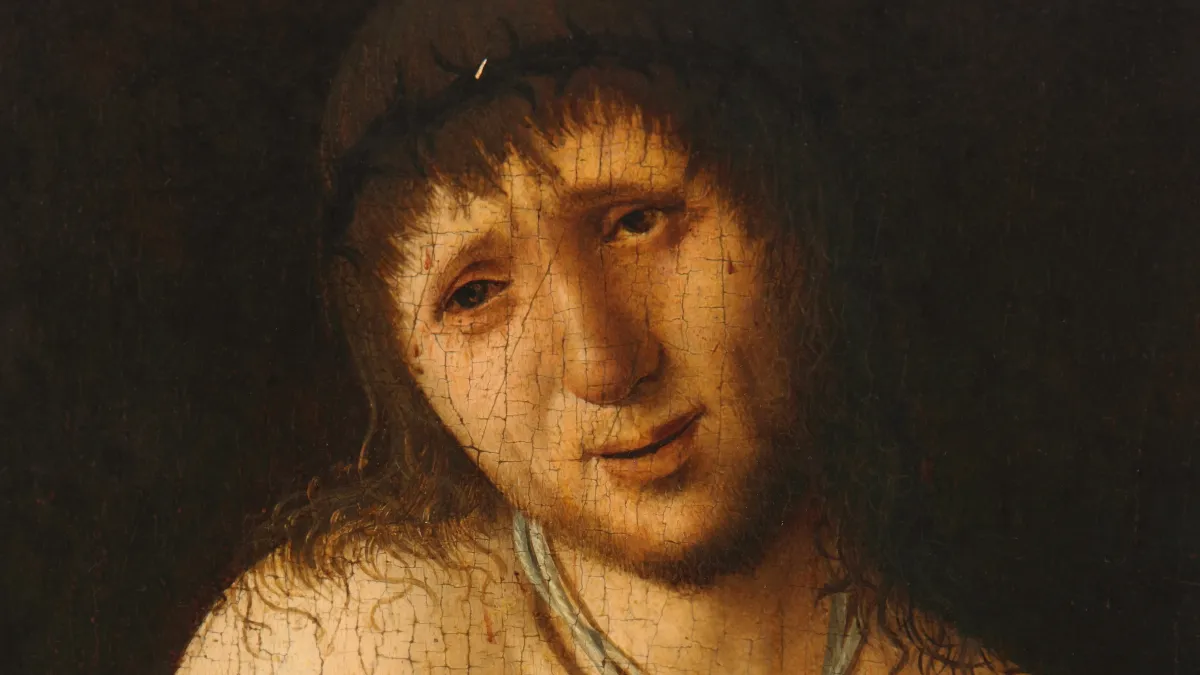
Standing in the grand hall of Sotheby’s auction house in New York, Italy’s culture minister proudly admired a Renaissance masterpiece depicting Christ with a crown of thorns as if it were his favourite child.
Christ was gazing back at him with an expression of misery. Alessandro Giuli was there to bring him home.
The ministry had snapped up the Ecce Homo, one of dozens by the Sicilian artist Antonello da Messina, for $14.9 million last month.
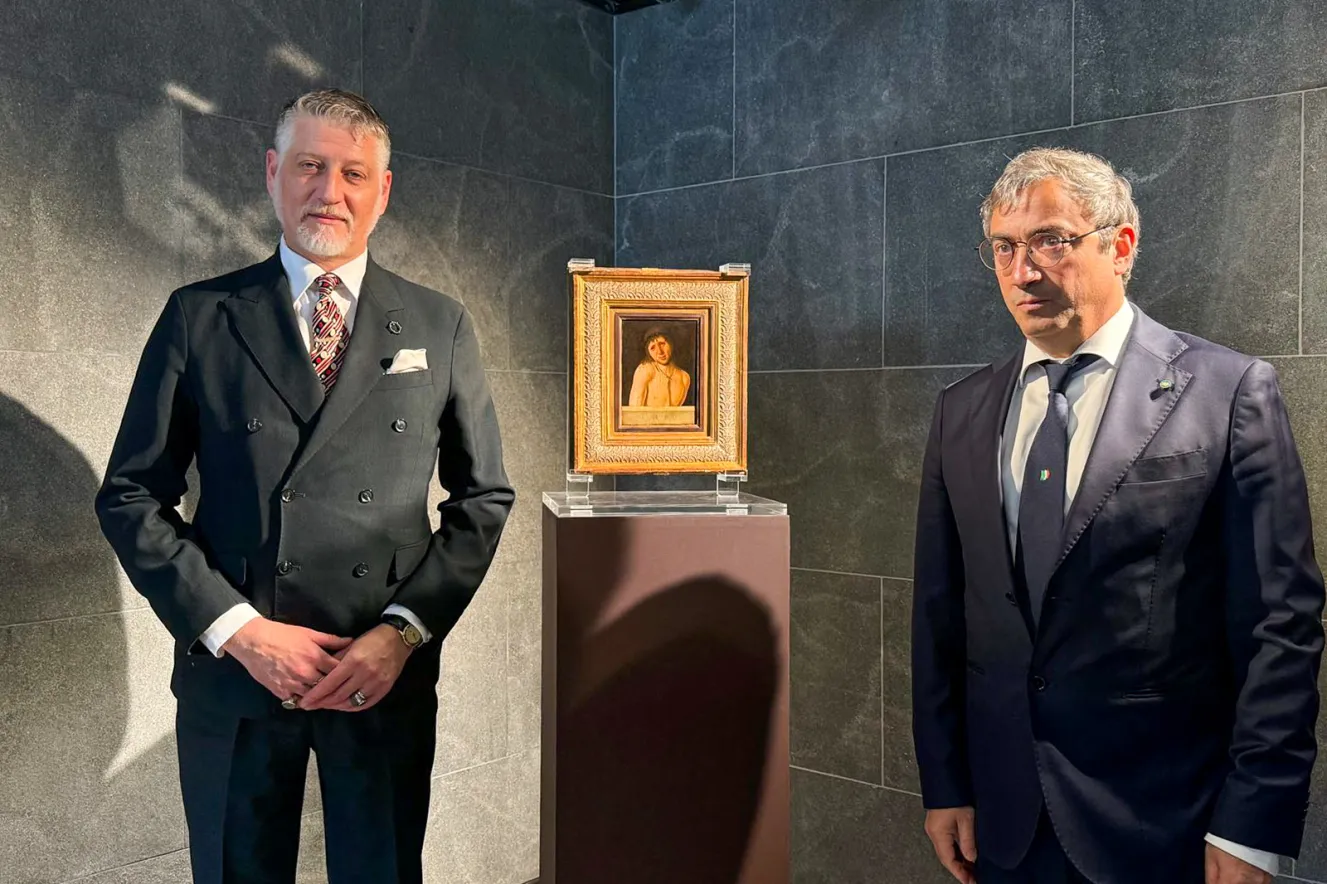 Giuli with the Ecce Homo painting
 The push to bring masterpieces back to Italy has been led by Giorgia Meloni, the prime ministerCristiano Minichiello/AGF/Shutterstock
“This is a historic moment. The return of this painting to Italy is an unprecedented cultural achievement,” Giuli, who sported a characteristically dapper double breasted suit jacket and a leather trench coat, told journalists gathered before the painting dated between 1460 and 1465.
He added: “Taxpayers’ money should always be spent wisely, by being invested in the common heritage of all Italian citizens.”
Italy stepped in to buy it from its private owner, who was reported to be from Chile. The purchase was followed by an even bigger splurge when, this month, Italy bought a Caravaggio portrait of Maffeo Barberini, the future Pope Urban VIII, for a whopping $30 million.
“This is the first time ever that Italy has spent such a large sum on works of art,” said Carlo Orsi, a gallerist who has brokered previous deals between private collectors and the state, including of a bronze sculpture of Carlo Barberini, Maffeo’s brother, by the baroque sculptor Francesco Mochi. “It had never happened before.”
Orsi added that it was highly unusual for the state to reveal sums paid for artworks.
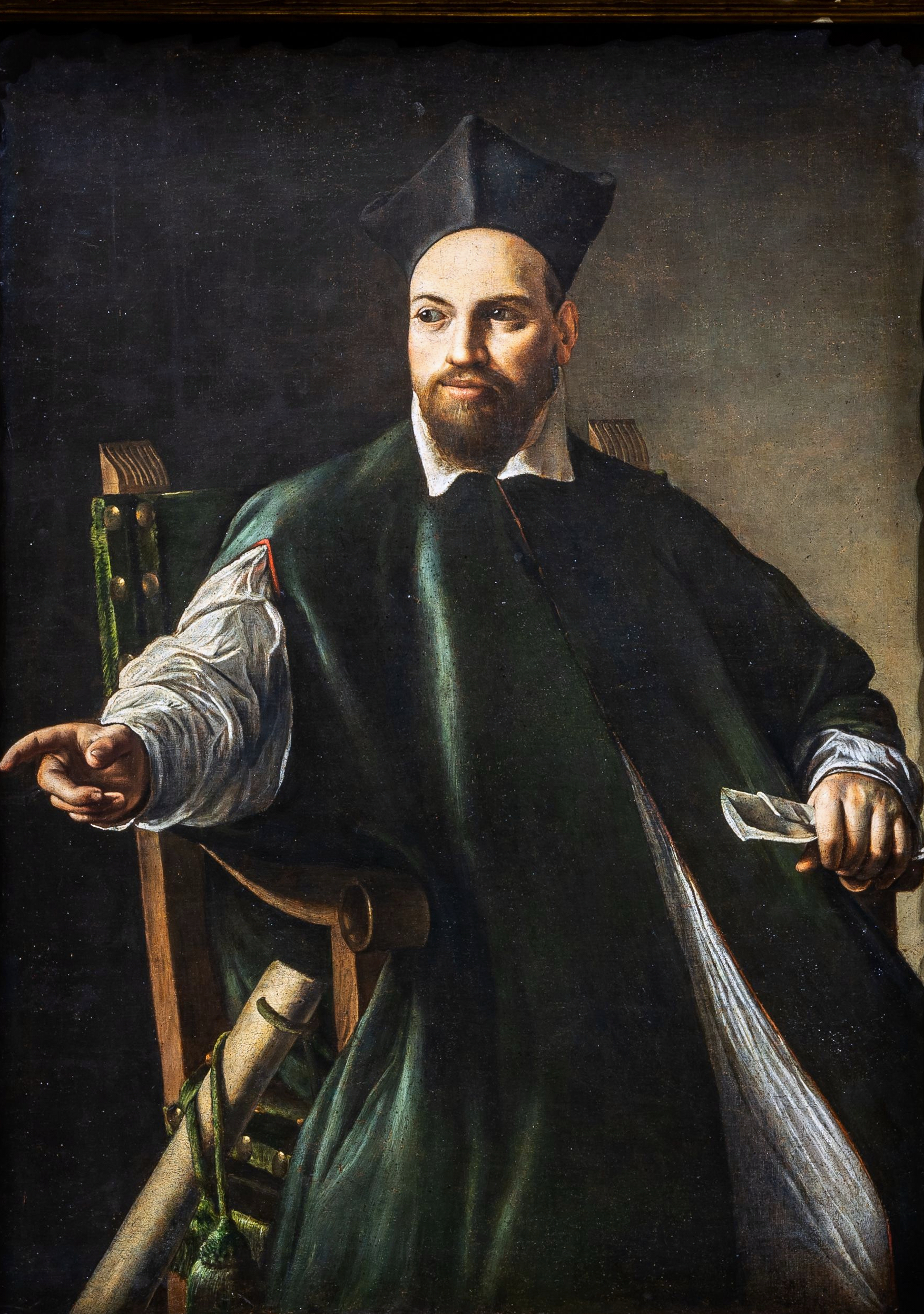 Caravaggio’s portrait of Maffeo Barberini Alberto Novelli/Gallerie Nazionali di Arte Antica/AP
Art world observers say the spending spree is part of a nationalist agenda spearheaded by the prime minister, Giorgia Meloni, aimed at projecting Italy’s cultural might at home and abroad, much as it did when winning Unesco world heritage status for Italian food in December.
“They are perhaps trying to show that Italy is a great country,” said Gianni Papi, an art historian and curator specialised in Caravaggio, adding that the paintings were “sensational” buys. “We are dealing with two of the greatest artists of all time.”
Handily, the news is also generating positive coverage for the ministry that presides over more Unesco world heritage sites than any other country but has been rocked by recent scandals.
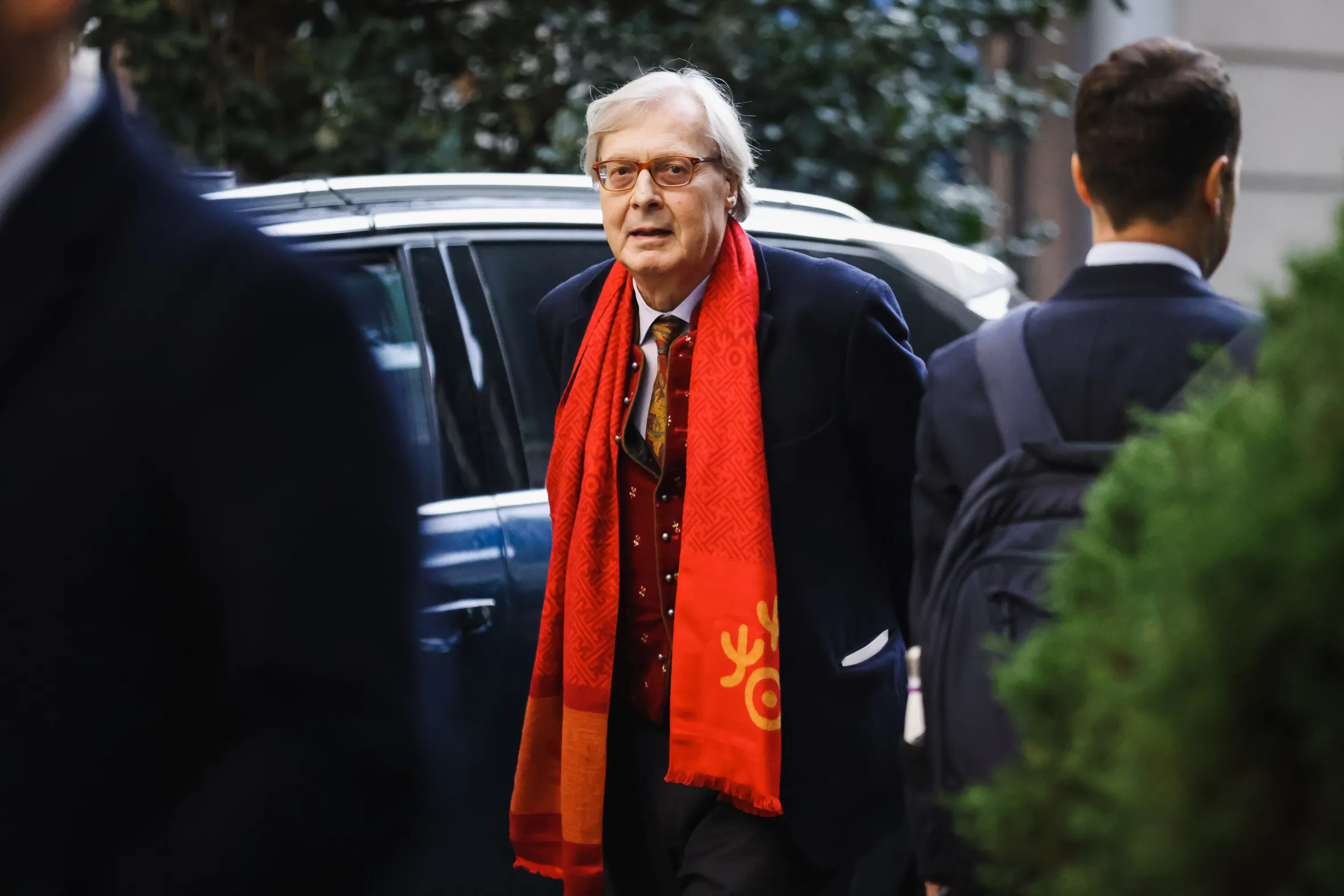 Vittorio Sgarbi Alessandro Bremec/NurPhoto/GETTY IMAGES
In 2024, Vittorio Sgarbi, a foul-mouthed art critic and television personality, resigned as a junior culture minister amid allegations that he laundered a 17th-century painting stolen from a castle near Turin.
Months later, Gennaro Sangiuliano, Giuli’s predecessor, walked the plank after granting an influencer access to parliament and ministerial meetings, which she filmed with spy glasses.
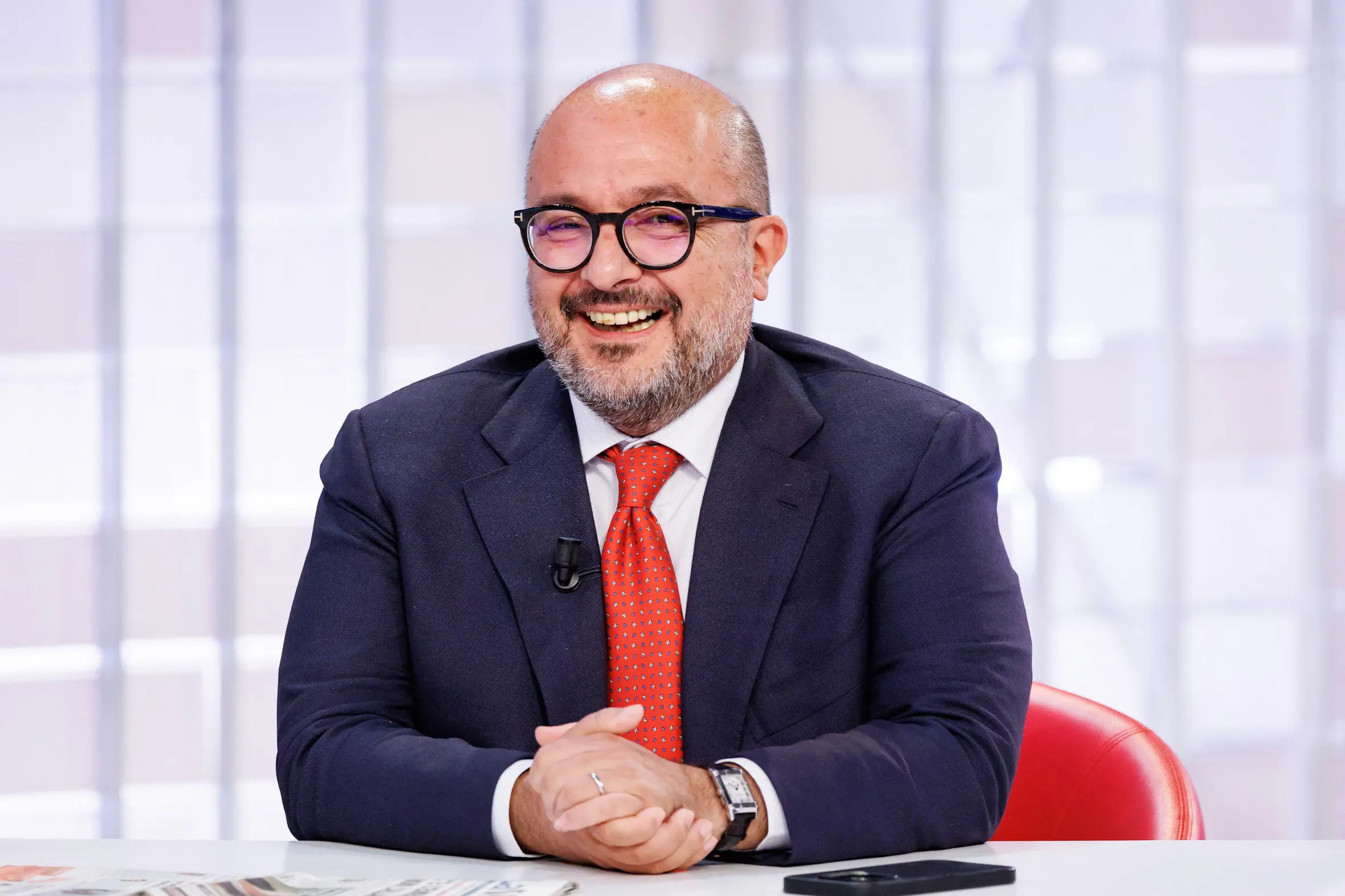 Gennaro Sangiuliano Roberto Monaldo/LaPresse
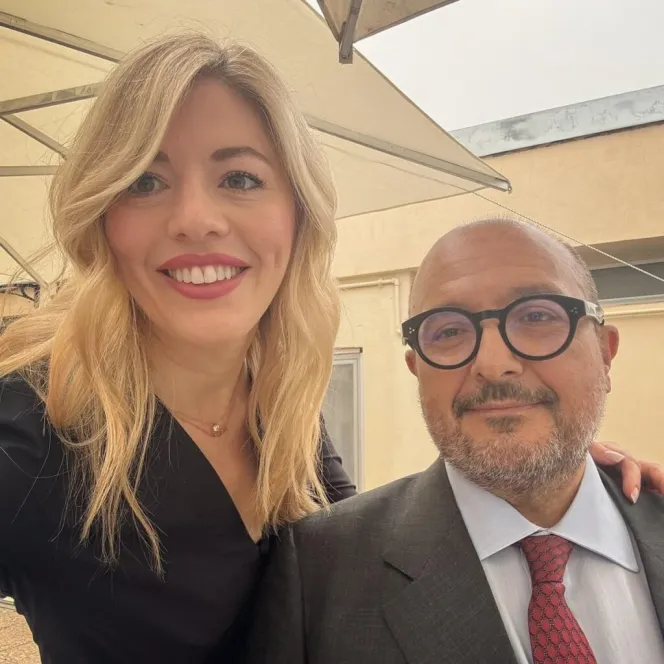 Maria Rosaria Boccia was said to have been disappointed not to be given a job by the culture minister
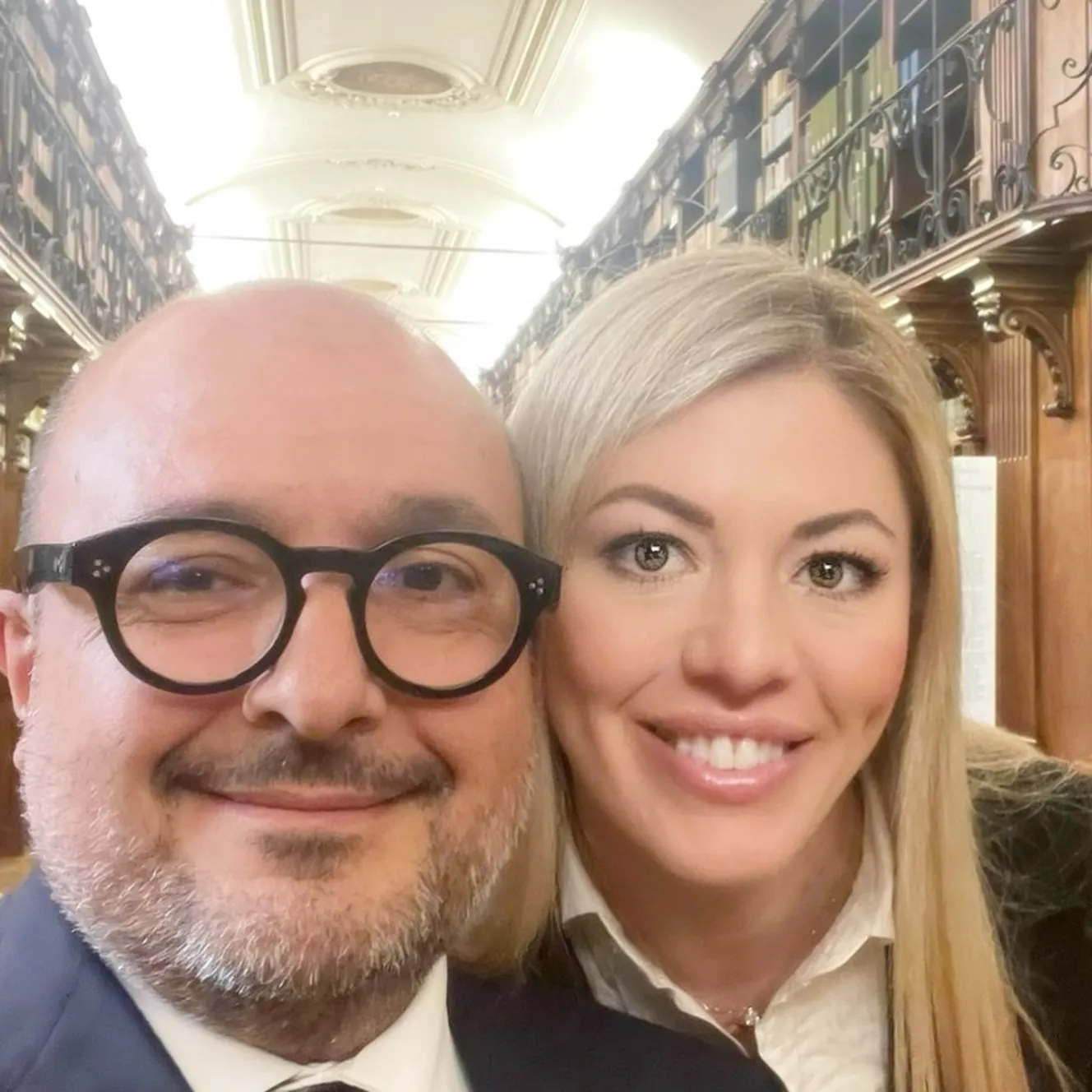
Giuli, a 50-year-old former journalist who in his youth belonged to the neofascist group Meridiano Zero in Rome, was brought in by Meloni — who likewise emerged from the Eternal City’s hard-right youth scene — after serving a period as president of Rome’s Maxxi museum of contemporary art.
Teased by the media for his dandyish dress sense and abstruse speeches, Giuli has attempted to stage a ministerial reset. He launched a ticketing app with a jazzy video showcasing heritage to the strains of the pop legend Raffaella Carrà, and framed a recently inaugurated Piacenza exhibition of traditional and contemporary African art as “cultural diplomacy”.
Like previous ministers, Giuli has secured the restitution of objects that were stolen from Italy and illegally exported abroad.
During this week’s New York trip, the Manhattan district attorney handed over 17 precious objects, including golden Etruscan earrings and two cups from Pompeii.
In one spectacular return last year, a Roman erotic mosaic, which depicts a man paying a prostitute and that had been stolen by the Nazis, was returned to Italy after more than 80 years.
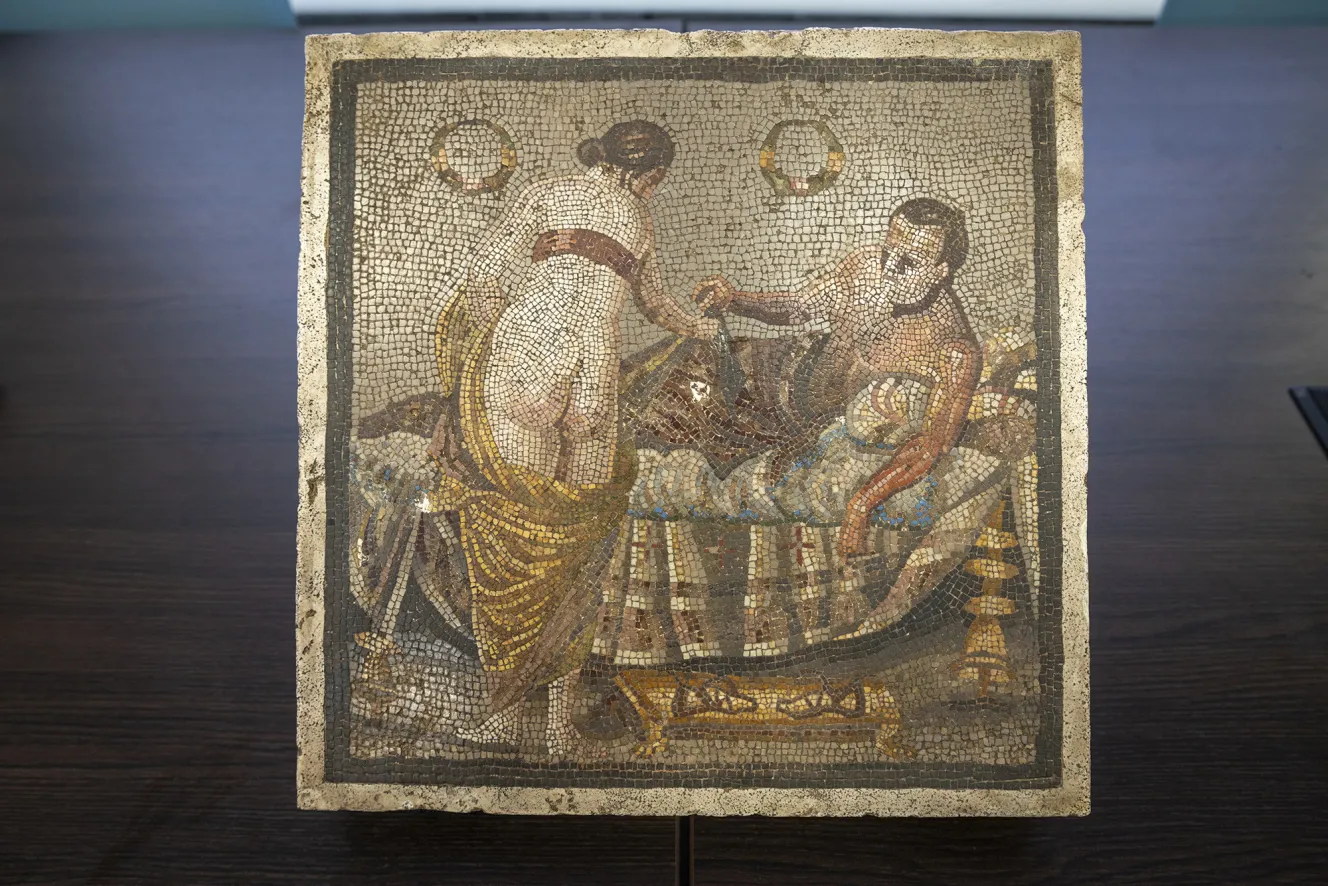 The Roman mosaic, depicting a half-naked couple, is displayed at the Pompeii Archaeological Park in ItalyPOMPEII ARCHAEOLOGICAL park/ministry of culture/Reuters
But the minister has prioritised the art purchases in a year in which museum staff across the country have protested against “critical” staff shortages. The culture minister has been guided by a panel of experts on the purchases.
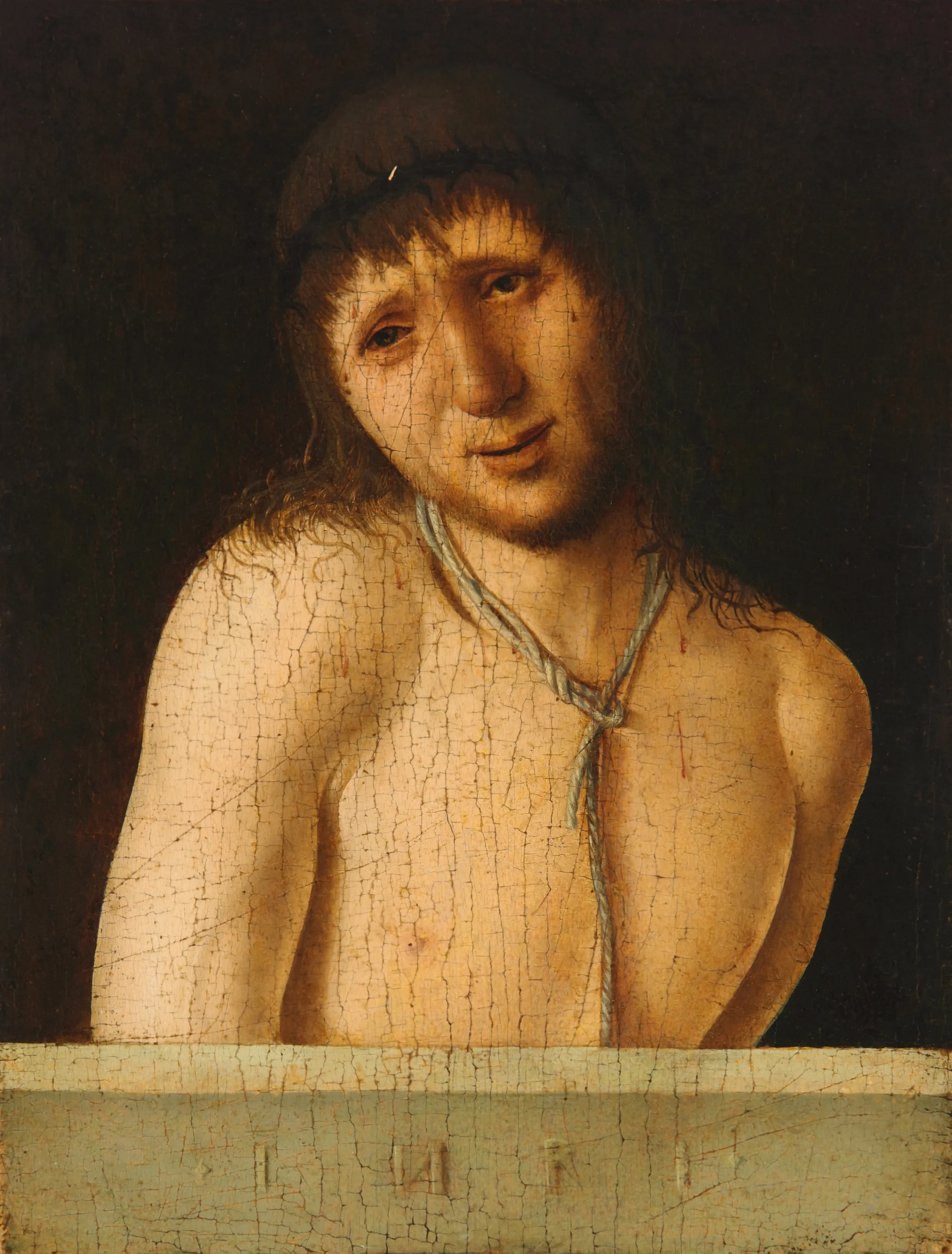 Ecce Homo
Ecce Homo, which features a Saint Jerome in the Wilderness by Antonello on its back, will be shown at Rome’s Palazzo Minerva for 11 days from Friday, before touring cities including L’Aquila, Messina, Florence and Rome.
The Caravaggio portrait will enter the permanent collection of the Palazzo Barberini, a former residence turned museum commissioned by the subject of the painting, Maffeo Barberini, where it was first temporarily displayed in November 2024.
Fabrizio Moretti, the gallerist who mediated between the work’s owners and the ministry for the purchase of the Antonello, said that the owner had been convinced to accept the ministry’s offer because it was close to the upper estimate offered by Sotheby’s. He predicted it could have been sold for about £15 million at auction.
Some have questioned the wisdom of spending such high sums on art. Tomaso Montanari, part of the commission that advised the ministry, said that while he welcomed the purchase of such important works, he feared the ministry would have to divert funds from essential services, including protecting heritage sites from earthquakes. He added: “On the one hand, I’m pleased, but on the other, it’s clear that the money has been taken away from something else.”