
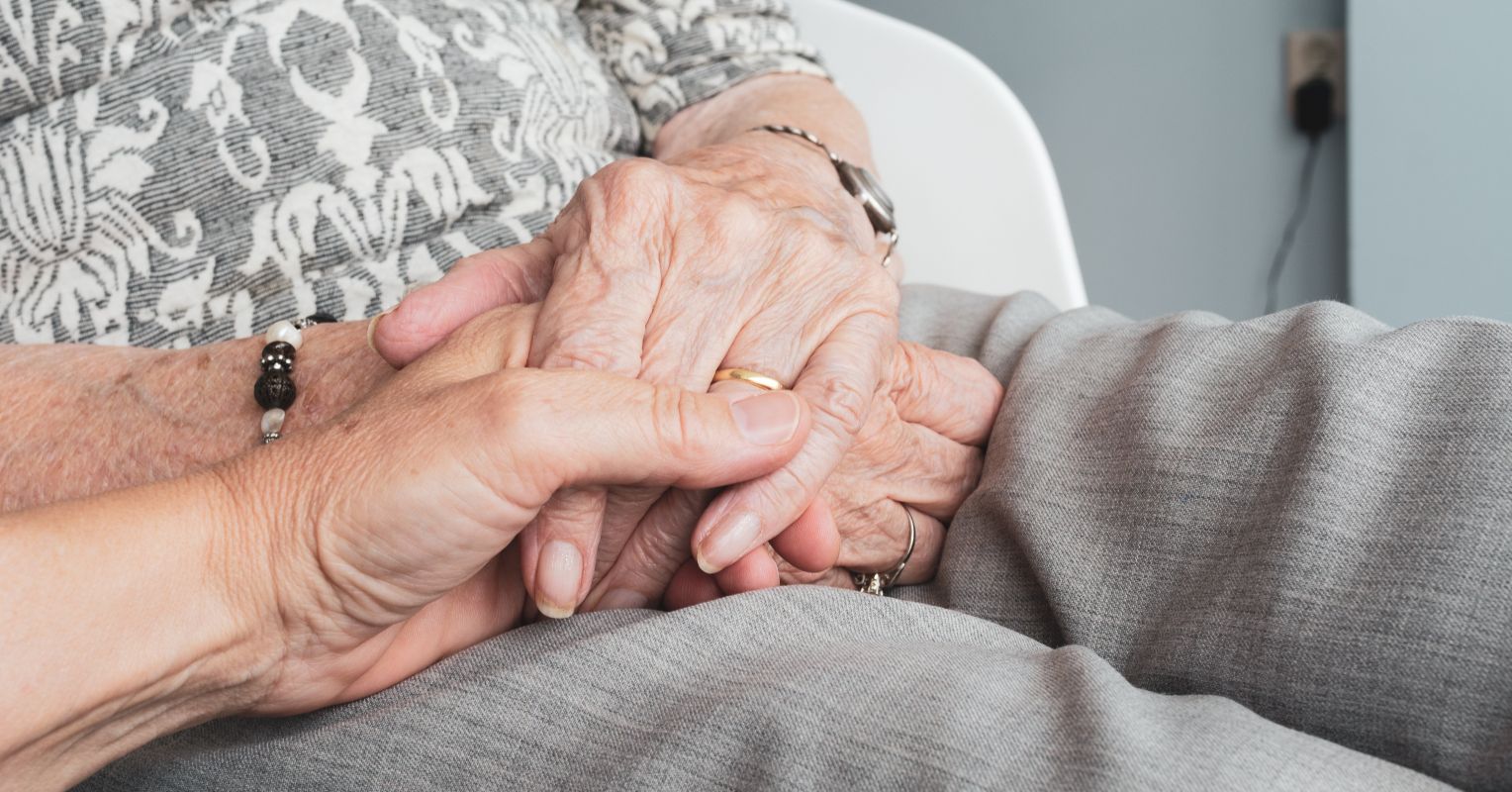
Family conflict is common when a loved one is dying.
A Japanese study reported that 42 percent of families had at least one argument during the end-of-life phase (Betkowski, 2020). A Canadian study surveying palliative care and hospice nurses and physicians found that as many as 80 percent of families experience end-of-life conflict (Wilson et al., 2022).
Past distrust or hurt feelings can emerge when families come together around the death of a loved one. The emotional stress of losing a loved one, anxiety related to witnessing the dying process, and anticipatory grief can also incite rising tensions among family members gathered at the bedside.
Even after the loss, hurt feelings and estrangement can persist. Chronic unforgiveness or grudges may erode health for surviving family members, while forgiving responses may actually enhance it (Witvliet et al., 2001).
Allegra Goodman’s latest novel, This Is Not About Us, shares a slice-of-life, relatable story about a multigenerational family facing a significant loss. When a squabble over an apple cake ruptures the relationship between Sylvia and Helen in the wake of their sister’s death, the family’s story doesn’t end there, despite their estrangement.
Heather Rose Artushin: Share a bit about your background and what inspired you to write This Is Not About Us.
Allegra Goodman: I am a novelist with a strong interest in families. This Is Not About Us began as a story about a family gathering at the sickbed of Jeanne Rubinstein, a situation she finds morbid and annoying.
As I wrote, I began thinking about Jeanne’s son and their wives, her grandchildren, her sisters, her nieces and nephew. I began to wonder about each, and gradually I explored their lives and relationships, tracing each branch of the family. The book grew naturally like a tree.
HRA: In your novel, two sisters allow a disagreement over an apple cake to grow into a yearslong grudge. Instead of marking the end of the story, it is only the beginning. What purpose do grudges serve in family systems, from your perspective? What impact does this grudge have in the lives of the Rubinstein family?
AG: Helen and Sylvia do indeed develop a grudge against each other after the death of their sister Jeanne. It’s sad, it’s strange, it’s ridiculous, but they cannot reconcile. Unfortunately, grieving does not always bring out the best in us. We don’t always rise to the occasion. We don’t always say the right thing. We don’t always pull together. Sometimes we blame each other instead.
Helen and Sylvia are distraught when Jeanne dies, and they don’t have a good way to express that, so they end up punishing each other and themselves.
Their feud saddens and mystifies the rest of the family. The grudge they carry might mystify readers as well. My dad said, “How absurd! Why would anyone behave that way?” I answered, joking, “That’s why I call the book This Is Not About Us.”
In all seriousness, bad behavior is easy to spot from the outside looking in. When you’re on the inside, it’s a different story. What’s fun about fiction is that the reader can see a situation both ways. We are privy to the characters’ thoughts and feelings, but we know more than they do.
HRA: The misunderstanding between sisters Sylvia and Helen Rubinstein takes root when their beloved sister passes away. Research shows that family conflict is particularly common when a loved one is dying, a truly stressful time for families. How do the sisters move forward after their loss, and how does the family conflict that ruptures their relationship impact their healing process?
AG: Stress does lead to conflict. I think in a way, Sylvia and Helen hold onto their misunderstanding because they don’t want to move on. They can’t quite face life without Jeanne, so they remain stuck in the feelings and the feud that began with her illness and death. That said, Sylvia begins to soften toward Helen, even as Helen maintains silence. I won’t say what happens next, because I don’t want to spoil the ending.
Family Dynamics Essential Reads
Q: Are there any themes in This Is Not About Us that are inspired by your own family’s stories? Where do you most see yourself in this novel?
AG: Of course, I don’t see anything in This Is Not About Us that looks like my own family—because my family is perfect. We never fight. We never fume. We never say ridiculous things to each other. I’m sure your family is perfect too. That’s why I call this a novel about other people.
As for myself—I identify with all the characters. I take each point of view and become each—stern Helen, emotional Sylvia, frustrated Richard, lonely Debra. Eleven-year-old Lily. Middle-aged Steve. I feel close to them all, young and old.
HRA: What do you hope readers take away from spending time with This Is Not About Us?
AG: I hope readers come away delighted and surprised and touched. That’s what I’m after.