
 Play Brightcove video
The UK remains very dependent on imported energy and pays some of the highest prices in the developed world to consume it, ITV News’ Business and Economics Editor Joel Hills reports
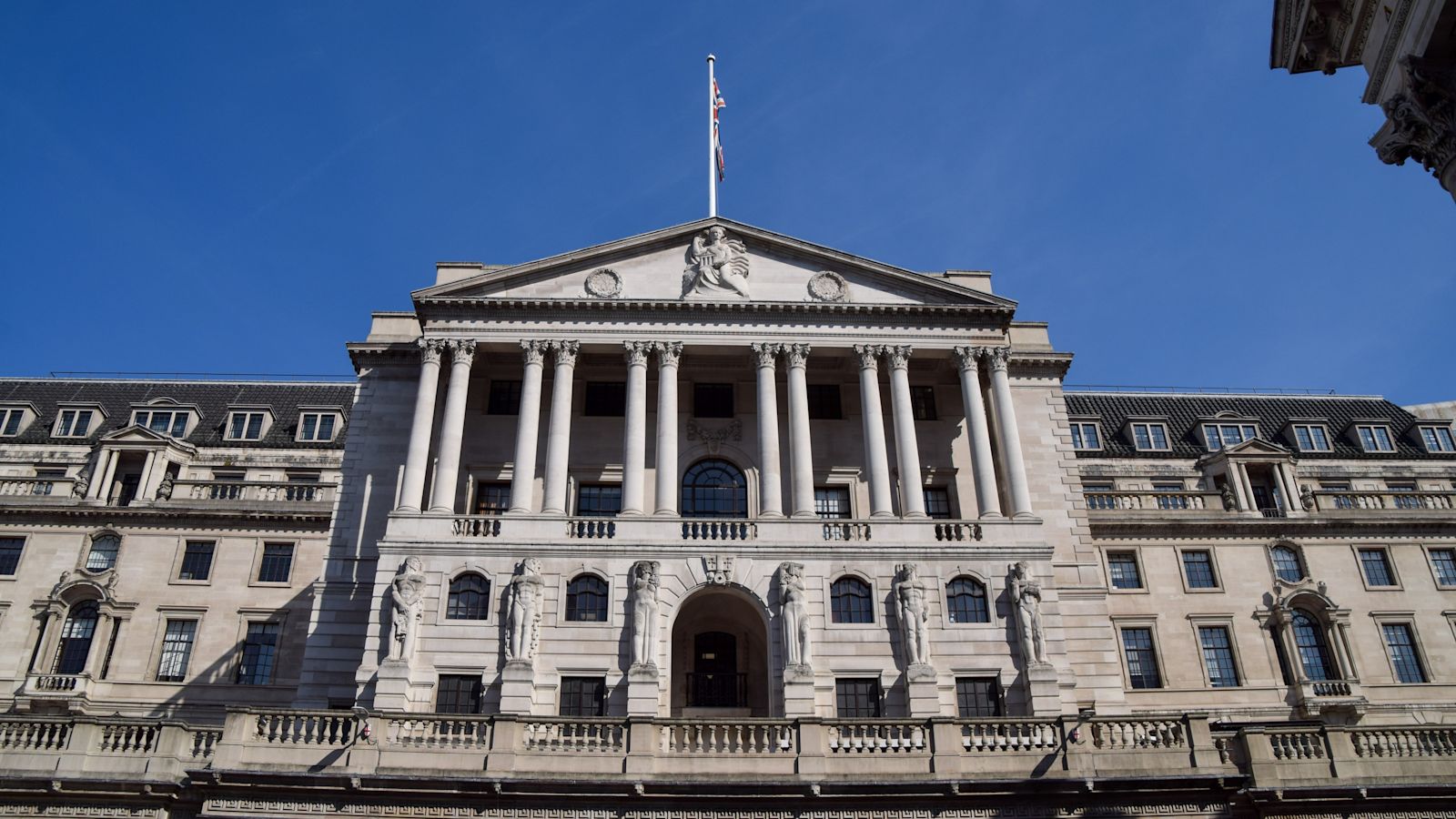
The former chief economist of the Bank of England says it is “relatively unlikely” that interest rates will rise in response to the surge in energy prices triggered by the war in Iran.
The spike in gas and oil prices is creating a fresh wave of inflation, and financial markets are currently betting on at least two rate increases before the end of the year.
“There will be a pick-up in inflation, but it will be a manageable one. Big figure? Three and a bit [per cent],” said Andy Haldane, now president of the British Chambers of Commerce.
Haldane said the upward pressure on prices caused by the war in the Gulf is “not remotely” on the scale of that triggered by Russia’s invasion of Ukraine.
Andy Haldane tells ITV News he thinks interest rate hikes at this stage are “unlikely”
“There’s no immediate cause for the Bank of England to be slamming on the brakes with higher interest rates,” he told ITV News.
“I think were energy prices to take a further leg north, which is not out of the question, that would be a game changer for the likely path of interest rates. But for now, growth in the economy calls for lower interest rates, not higher ones.”
The Organisation for Economic Co-operation and Development (OECD) believes the UK faces the biggest hit to growth from the war among the G20 advanced economies.
It now forecasts the UK economy will expand by just 0.7% in 2026 – down from a previous projection of 1.2% – the largest downgrade in its updated outlook, released this morning.
The OECD also expects the headline rate of inflation in the UK to rise to 4% this year, the second-highest in the G7 after the United States – highlighting how exposed the UK is to rising energy prices.
The UK remains very dependent on imported energy and pays some of the highest prices in the developed world to consume it.
We rely more heavily on natural gas for heating and electricity generation than many other countries, and have relatively little storage capacity as a buffer against sudden price shocks.
Haldane argues the UK’s energy vulnerability needs to be addressed.
“Unless and until that happens, the UK will remain… caught in the crosshairs of geopolitical risk,” he warned.
Drilling in the North Sea wouldn’t curb the cost of living, Andy Haldane told ITV News
In Haldane’s view, increasing drilling in the North Sea would do little to cushion the UK from higher energy prices, but he thinks the government should keep the option of opening new fields on the table.
“It wouldn’t curb the cost of living, but it would top up the coffers – the tax revenues of government,” he said.
Haldane described the war in the Middle East as a “seismic shock” for both British businesses and households.
Consumer confidence is fragile. Companies are being squeezed by a combination of higher taxes, rising wage costs, expensive energy and tighter financing conditions.
The government should ‘reconsider’ support for businesses, Haldane told ITV News
High energy costs were already a major drag on the competitiveness of British manufacturers before the war, particularly for energy-intensive industries such as steel, chemicals and heavy industry.
Last year, the government said it would cut electricity prices by up to £40 per megawatt hour for 7,000 energy-intensive businesses by introducing the British Industrial Competitiveness Scheme (BICS) in 2027.
Haldane believes the government should consider acting sooner and being more generous.
“If there were a time to reconsider the scale of that discount and the timing – next year is a long way away – that moment is now,” he said.
As the OECD forecasts demonstrate, the UK’s economic prospects have worsened significantly since the end of February.
“At the start of the year, I was talking up the green shoots, which were well-founded. Interest rates were falling, people’s pay packets were picking up – those are the ingredients for growth to take off. This is without question a setback,” said Haldane.
Living standards are likely to come under pressure again, but he points out that wages are currently rising faster than prices, offering some reason for hope.
“Is it a setback that will crater growth? No, we are not yet at that point. Do we, though, need an uplifting, optimistic domestic narrative to stir the animal spirits of business? Yes, we do. And that, I hope, will be forthcoming from government in the months and weeks ahead.”
Subscribe free to our weekly newsletter for exclusive and original coverage from ITV News. Direct to your inbox every Friday morning.
Reporting History sees journalists join News At Ten anchor Tom Bradby to revisit their remarkable on-the-day reports of the defining events of the modern age. Listen to the episodes below…