
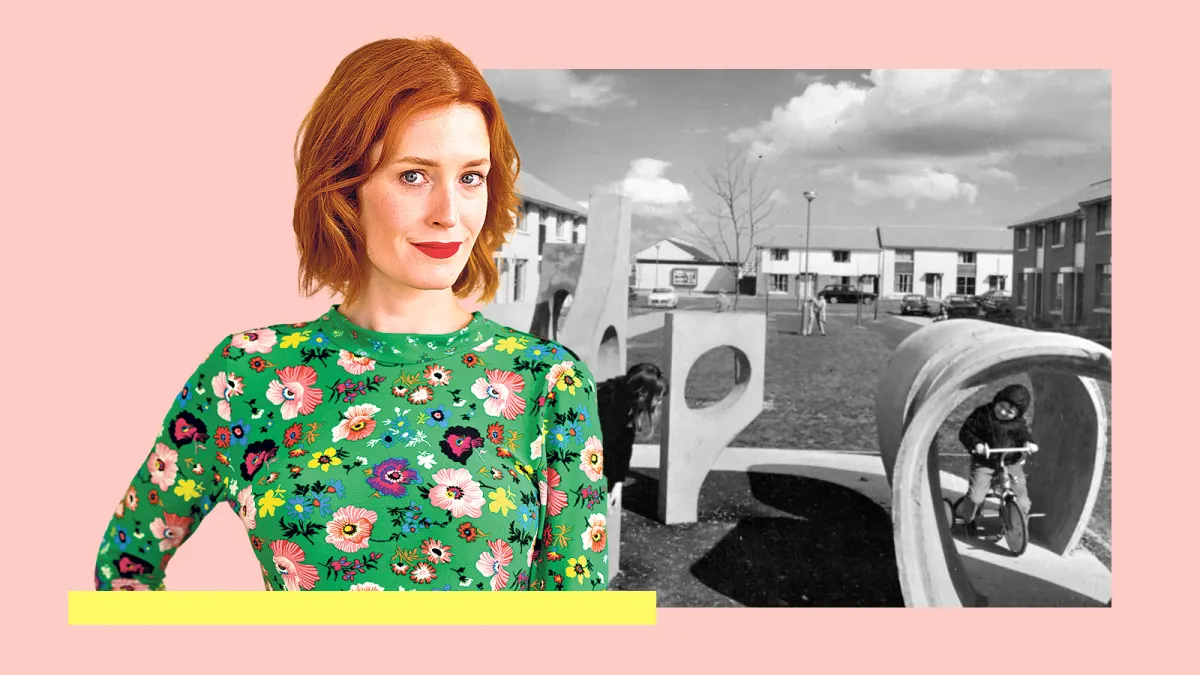
Eighty years after the UK’s most radical urban planning experiment, new towns are set to be revived. Seven more will be created in England before the next election, bringing almost 200,000 homes to locations in Leeds, Manchester, Greenwich and Enfield in London, south Gloucestershire, Bedfordshire and Buckinghamshire.
They join 32 postwar new towns built in waves following the New Towns Act of 1946, including my home town of Glenrothes in Fife, one of six in Scotland. I grew up with public art and paternalistic modernism in this concrete petri dish — and I know what the next generation of new towns needs to thrive.
Property newsletter
Inside Britain’s most exclusive homes, plus what’s really going on in the property market.
Sign up with one click
Glenrothes was created to accommodate miners working in a nearby colliery, with men and their families persuaded to move from the Scottish countryside for jobs that came with a house. The first residents relocated in 1952 and found futuristic architecture for a brave new world. Swathes of landscaping inspired by Garden City principles ran through Glenrothes like green rivers, something that still rang true by the time my family arrived in 2001.
For a 12-year-old raised on red brick and hot summers — we moved from Emsworth in Hampshire — this bone-coloured settlement was a culture shock.
The truth is, the layout of Glenrothes felt isolating to me. That intensive and unlit landscaping was unwalkable at night and the abundant underpasses were hostile, stopping me from walking to see my friends.
Fast-forward to 2026 and some of Glenrothes is coming apart at the seams. The Glenwood shopping precinct, where I’d buy chips at school lunchtimes, was pulled down a few years ago. This is also the case for Cumbernauld, the new town in North Lanarkshire made famous in the 1980 cult movie Gregory’s Girl. Its core is being demolished despite an extraordinary intervention by global architecture academics who believe it should have been saved for posterity. They had a point. It’s impossible for a new town to grow into itself when bits are constantly being removed.
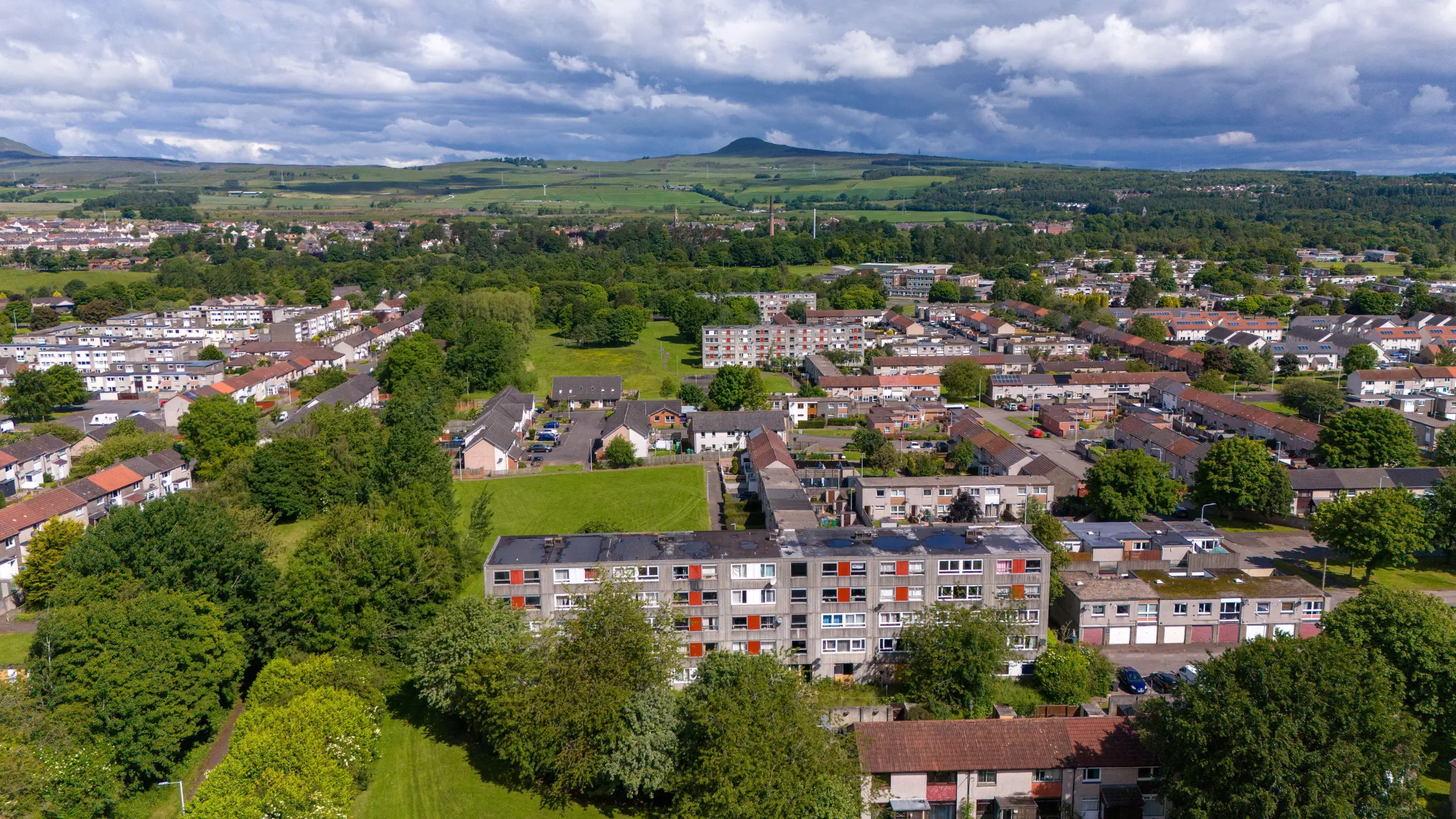 Glenrothes was built to bring people together, but its layout left some residents feeling aloneAlamy
New towns announced by the government last week
Tempsford Seven miles east of Bedford, Tempsford is a tiny village in Bedfordshire with only 600 residents but may ultimately be 40,000-strong — making it the only genuinely new town in the current wave to be built from scratch. A new Tempsford railway station will provide a new east-west and north-south interchange, connecting the town to Oxford and Cambridge, as well as London and the north. Built largely on a former RAF base, it is designed to be a key commuter hub for the Oxford-Cambridge Arc.
Milton Keynes extension The government plans a huge expansion of the north and east of the city by approximately 40,000 homes. The plan also involves reinvigorating the city centre with a new transport system. Milton Keynes, which has about 300,000 residents, is widely regarded as Britain’s most successful new town. It was founded by Harold Wilson’s second Labour government in 1967.
Brabazon and the West Innovation Arc, south Gloucestershire To the north of Bristol, this development — also earmarked for 40,000 homes — will be aimed at linking residential growth with the area’s burgeoning tech and aerospace sectors, ensuring that housing delivery feeds off these employment opportunities.
Crews Hill and Chase Park, Enfield This project aims to target London’s acute housing shortage by delivering up to 21,000 homes on the northern edge of the capital. It is envisioned as a “landscape-led” development that integrates urban living with green spaces and contains high-density and sustainable housing.
Leeds South Bank A plan for roughly 20,000 homes in a walkable community in the southern part of Leeds city centre. There will be £2.1 billion of transport investment, including the West Yorkshire Mass Transit System, with the aim of reducing car dependency.
Manchester Victoria North This regeneration project will deliver at least 15,000 homes and include a new Metrolink stop, a 99-acre park, schools and a health centre. It is described as the biggest urban renewal project in the city’s history.
Thamesmead, Greenwich By extending the Docklands Light Railway the government wants to use inaccessible riverside land to create 15,000 homes in southeast London. This development will focus on high-quality waterfront living and improved transport connectivity.
And yet how Glenrothes feels for residents — how Cumbernauld no doubt feels — isn’t always positive. Neglect has set in. Postwar new towns were built on tight budgets with cheap materials that weren’t designed to last. It is a trap Labour’s new towns also risk falling into.
What Glenrothes did have was ambition. On the same underpasses that felt dodgy I discovered etched artworks. Glenrothes is thought to be the first place in the world to appoint dedicated town artists whose job was to respond to what they saw on the streets.
The first was David Harding, who later founded the Glasgow School of Art’s environmental art course. In Glenrothes he fought for tenants’ rights, shaped the look of bridges and found money for his sculptures by peeling cash from funding pots. Other new towns followed suit, including Harlow in Essex, famous for its stone figures by Henry Moore and Barbara Hepworth.
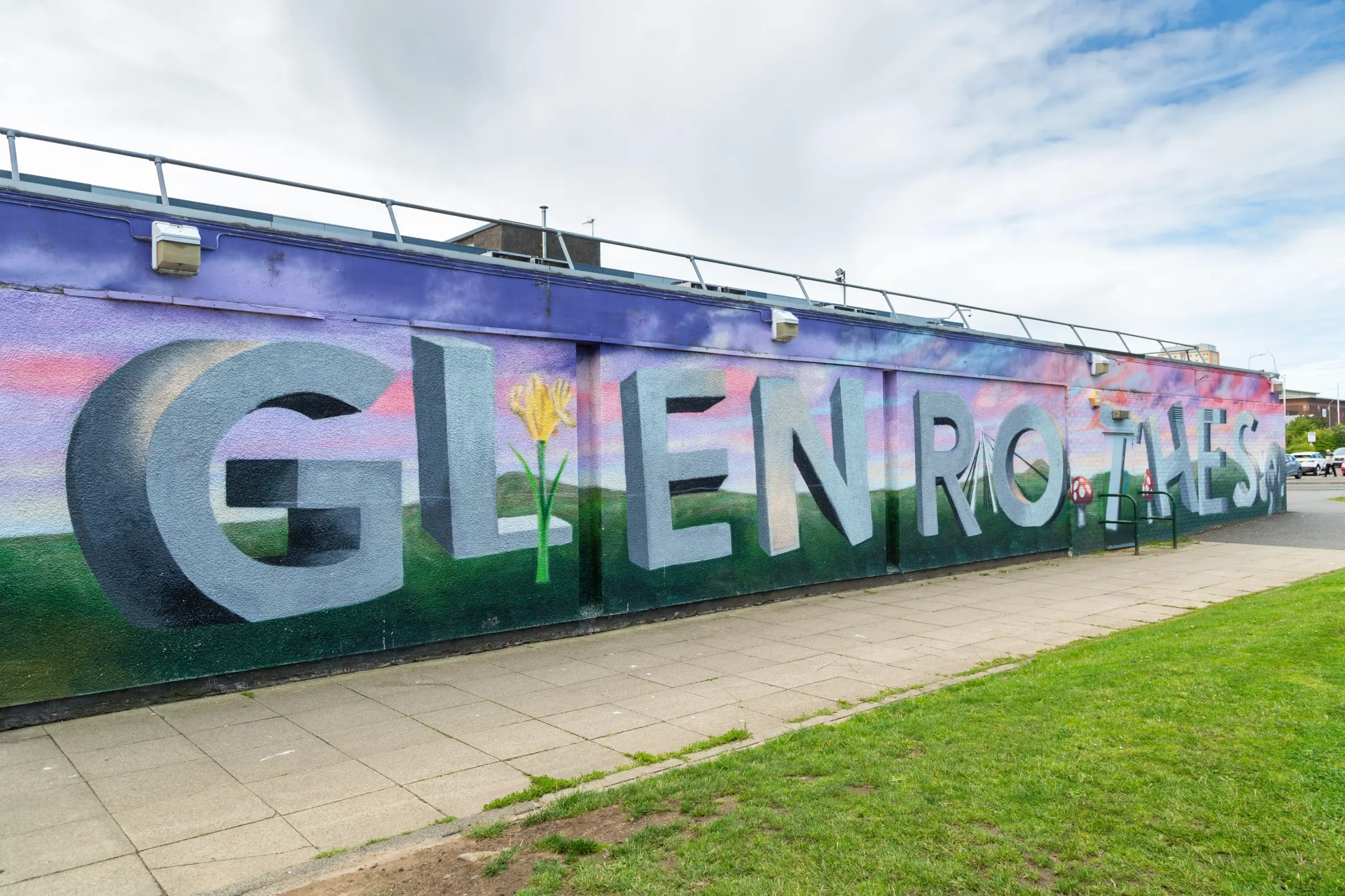 Glenrothes is thought to be the first place in the world to appoint dedicated town artistsAlamy
Harding’s legacy can be traced to the development corporations set up to run Glenrothes, Milton Keynes and Telford in Shropshire. These localised autonomous bodies were the jewel in the new town crown, freeing up responsibility from the council and proving highly responsive, with sweeping powers. They employed the brightest talent across architecture, design and engineering and should be used as a template by the next new towns. They are a rare example of an infrastructure scheme earning for the Treasury, repaying the debt incurred in building it and then generating a profit.
Development corporations also experimented with house types, giving some upside-down floor plans to make the most of hill views, some with modulating roofs and others with the look of fishermen’s cottages. It was understood that variation was key to shaping identity. This was how a new town could feel like home.
It is a good lesson for today’s housebuilders, who seem intent on outdoing each other on the blandest, most nondescript estates. A glimpse at pictures of the proposed Leeds site reveals a kind of anywheresville aesthetic divorced from its environment.
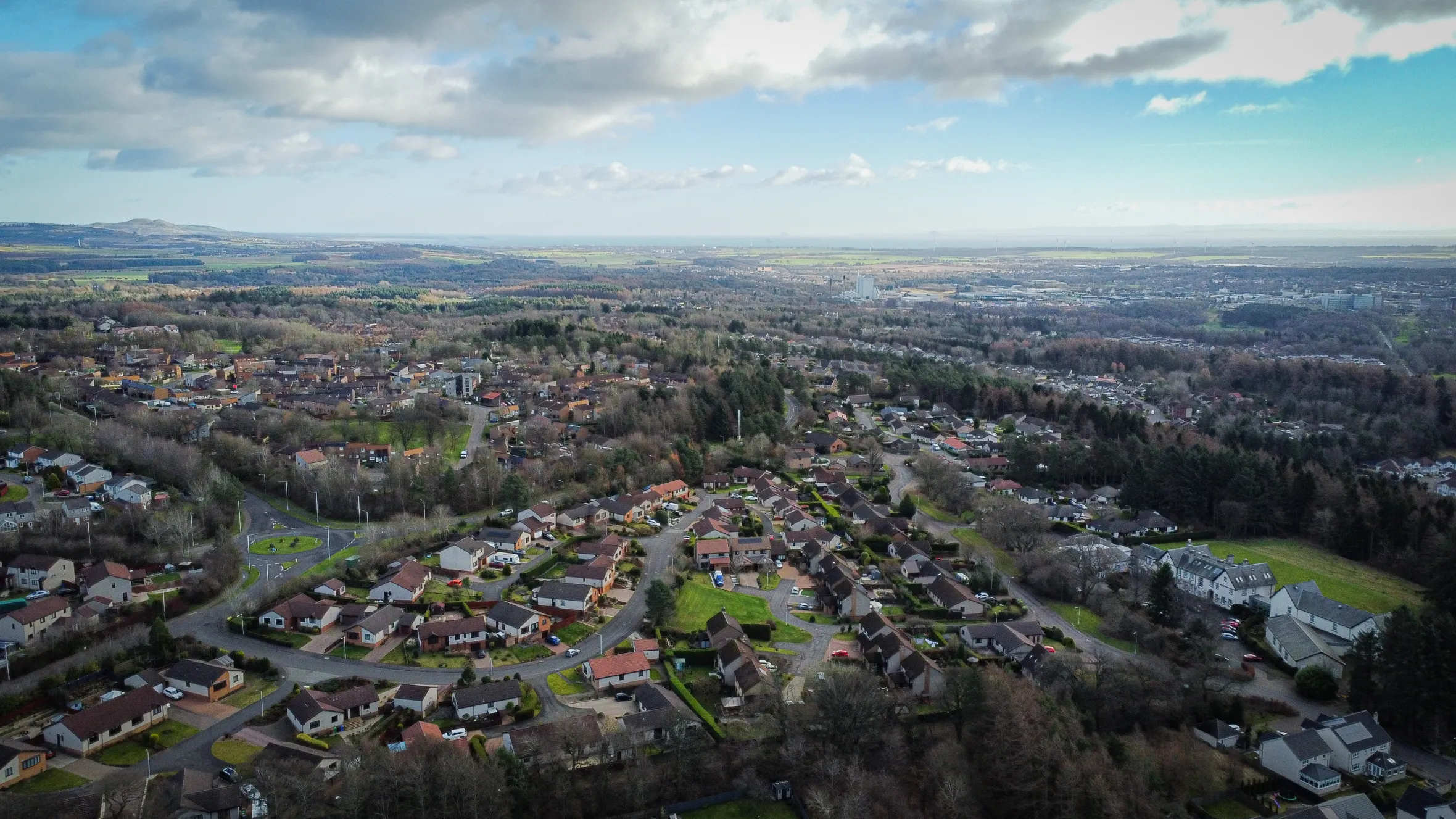 An aerial view of North Glenrothes, shaped by postwar planning idealsAndrew Mitchell/Getty IMAGES
It doesn’t need to be this way. Radical ideas emerged from the original new towns. They showed us so much about collaboration and compromise. They evolved over time, discarding failed experiments and holding on to successes. By the third wave in the late 1960s, shopping centres had the feel of a Mies van der Rohe masterpiece.
I have complicated feelings about Glenrothes, a place to which I never felt as if I belonged. I used to think it was because I grew up English in a small Scottish town, but now I see that the physical layout of my surroundings played a part too. Labour’s new town manifesto is a chance to learn from its mistakes. As the postwar generations proved, it hinges on will — and belief that a different future is possible.