
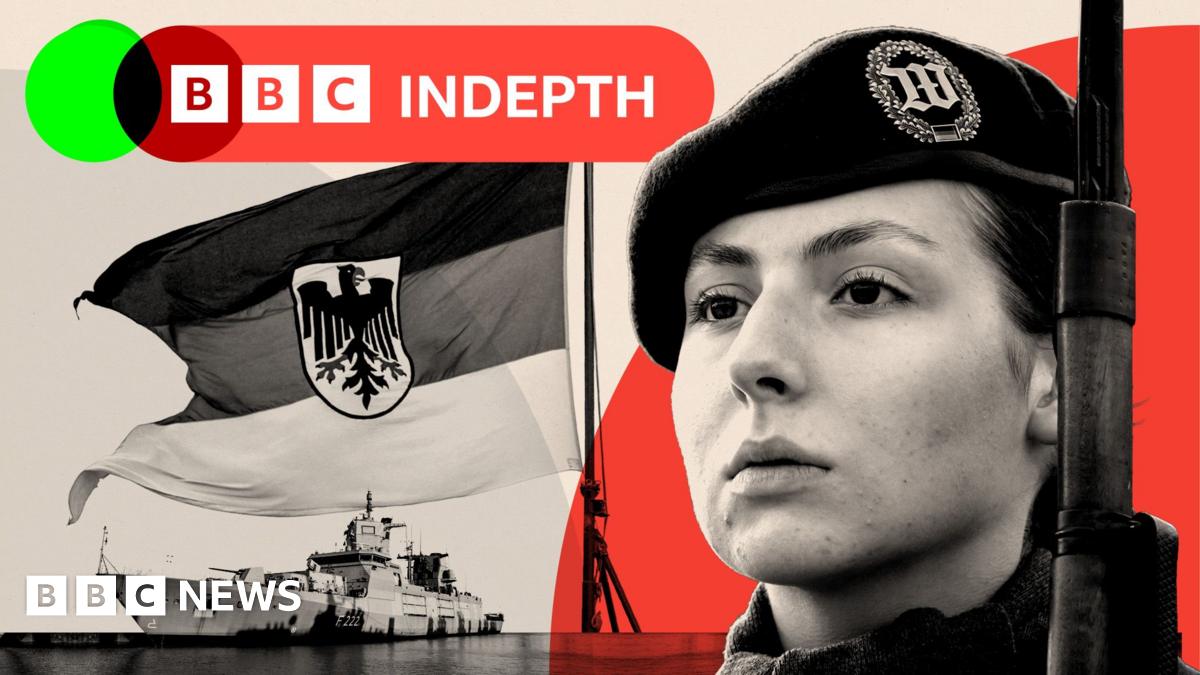
Perhaps the most striking illustration of the transformation of Germany’s role in Europe is the attitude of its neighbours. German militarism cursed the 20th Century. Now opinion polls show the German presence in Lithuania is popular.
In 2011 the Polish Foreign Minister Radoslav Sikorski went to Berlin and made a speech which, given the memory of Nazi Germany’s occupation of Poland, surprised many of the German diplomats who made up his audience.
He urged Germany to assume a leadership role in Europe. The context was the crisis in the eurozone and the role he was pressing on a reluctant Germany was an economic, not a military one. But it was a landmark moment. “I fear German power less than I am beginning to fear German inactivity,” he said, describing Germany as Europe’s “indispensable nation”.
German rearmament is “good news for Poland, for Europe and for Nato,” the retired Polish General Andrzek Falkowski, a former Deputy Chief of the Polish armed forces, told me. He also spent 12 years in senior roles at Nato headquarters.
“We know how militaristic they [the Germans] were, and we know my country’s geo-strategic location. We were always like a sandwich between two superpowers.
“After 1989 Germany started to become a freeloader [in defence spending].
“They preferred to spend on economic and social issues – education and so on – because they had a kind of buffer to the east and we, the Poles, were the buffer.
“But now Germany has become the fourth biggest defence spender in the world.
“So as the strongest economy in Europe, they should spend more, and for Poland, and for Europe, it can only be good news.”