
(Credits: Far Out / Open Culture)
Fri 27 March 2026 19:30, UK
The entire concept of Led Zeppelin wouldn’t have existed if not for Jimmy Page.
He may not have been the one singing every song or bringing the same thunder that John Bonham had behind the kit, but thanks to his knowledge of the studio and ability to pump out one riff after the next, half of their catalogue was what made millions of kids want to pick up guitars and make songs that were a bit heavier than what they were hearing out of the British blues bands. But even though Page treated every single record like his babies, some of them seemed to show the band in a much better light than others.
When you’re talking about Zeppelin, though, some of their brilliance really depends on what album you’re listening to. The finest moments of their early career painted them as the heaviest band in England, but a lot of that came down to them playing the same bluesy tunes that had been all the rage around London. That was all well and good, but if Page wanted to really break out of the Yardbirds’ shadow, he wanted to have a few more tricks up his sleeve than his blues vocabulary.
But in the process of making their hits, there were a handful of songs that didn’t really have their roots in any kind of blues. ‘What Is And What Should Never Be’ and ‘Ten Years Gone’ are both among the finest Zeppelin songs, but the harmony on both of the tunes is like Page trying to stretch his sonic palette. He had already seen what Western harmony could do, so what was the problem with bringing in more eclectic sounds like on ‘Kashmir’?
If you wanted to see what the real Zeppelin was capable of, though, you needed to see them live. Despite Bonzo sounding like an absolute animal whenever he performed on record, he seemed tame compared to when he played the live versions of ‘Moby Dick’, especially with John Paul Jones and Page laying down one of the thickest grooves imaginable when they set the main riff down.
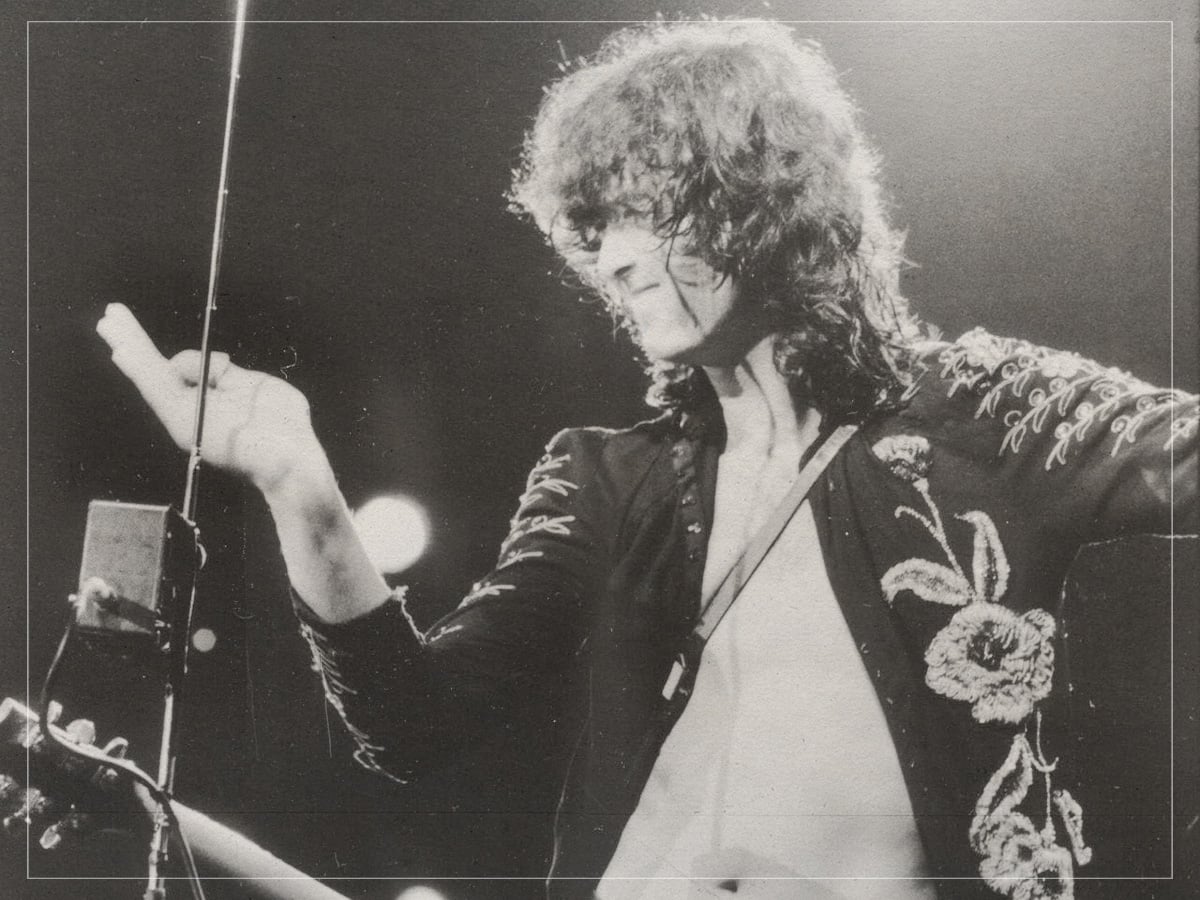
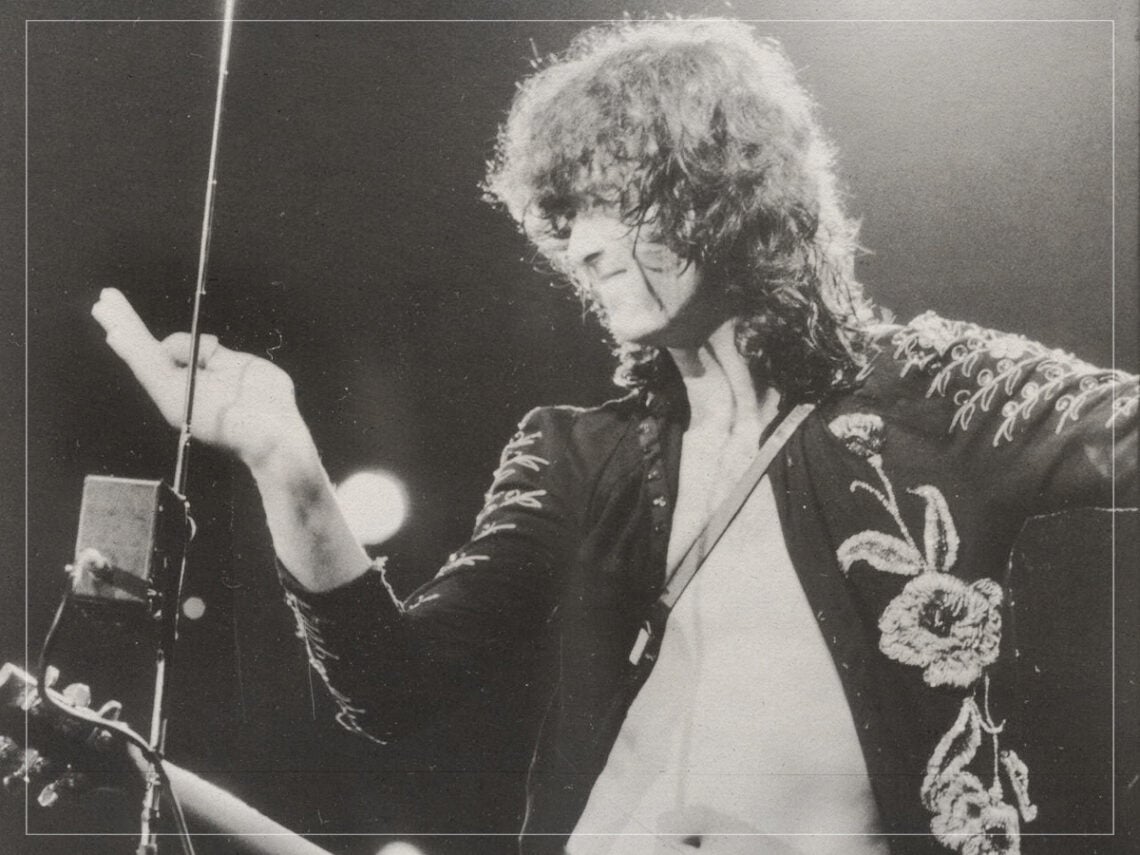
Even some of their later songs seemed to get a complete makeover when they performed live. ‘Dazed and Confused’ might be a fantastic slice of what the 1970s were going to become, but Page’s extended solos using a theremin sound absolutely demented on their live records, almost like he’s trying to summon spirits from another world before coming back to the main riff of the tune.
And while everything from The Song Remains the Same to Celebration Day delivers a unique snapshot into Zeppelin’s work, Page still felt How the West Was Won was among the greatest pieces of their career, saying, “I think what we did on How the West was Won – that 1972 gig – is pretty much a testament of how good it was. It would have been nice to have had a little more visual recordings, but there you go. That’s the conundrum of Led Zeppelin!”
The band hadn’t quite reached the level of Physical Graffiti yet, but when listening to their old songs, every track on this record feels like the new-and-improved version of their classics. It would have been impossible to make a song like ‘Black Dog’ feel any more badass, but compared to the version of their fourth record, this live take feels like they had found their groove perfectly, even throwing a little bit of swing into the mix whenever they flip the riff around in the midsection.
So while the studio recordings of Zeppelin are still the soundtrack of the 1970s for most people, How the West Was Won is proof that everyone is missing out if they cut the band off at their main body of work. They were a whole different entity live, and that kind of adrenaline in their music is something that could never be fully captured in a live setting.
ADD AS A PREFERRED SOURCE ON GOOGLE  The Far Out Led Zeppelin Newsletter
All the latest stories about Led Zeppelin from the independent voice of culture.
Straight to your inbox.