
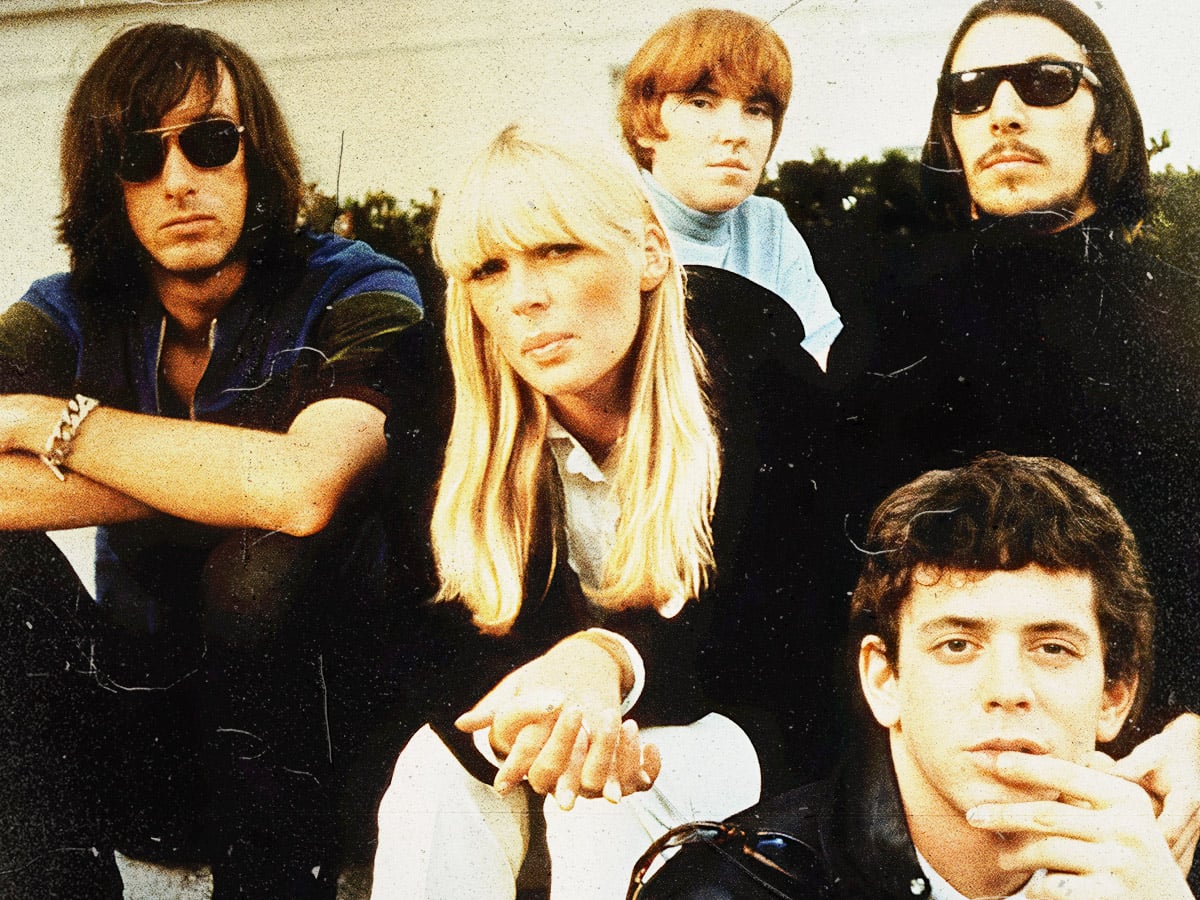
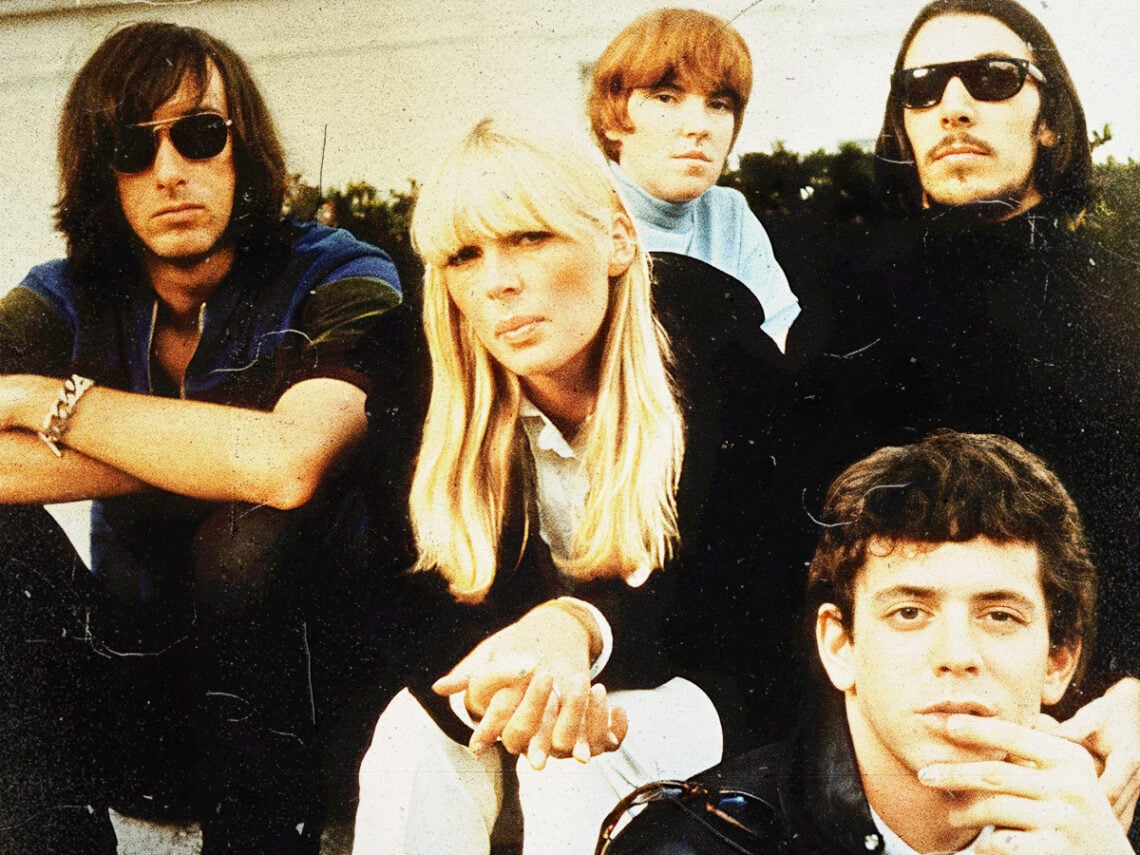
(Credits: Far Out / Polydor)
Fri 27 March 2026 21:45, UK
The promising beginnings of The Velvet Underground started to come together in 1964. Lou Reed had already played in a handful of small bands by the time he met John Cale, and they quickly discovered they shared the same strange interest in different, more innovative and maddening sounds.
At the time, Reed had been hired at Pickwick Records, and Cale had already worked with a few experimental musicians, including La Monte Young, whose use of drone sounds was something he felt equally as passionate about. One of the first things he bonded with Reed over was his shared love for the same types of sounds, much of which he applied while “churning out” songs at Pickwick.
Reed was mainly only interested in having fun at this point, once admitting that all he was doing was putting out “these rip-off albums”. One of the songs, for instance, saw Reed copying someone else’s idea and tuning all his guitar strings to the same note, resulting in a droning effect that incidentally became a defining feature of The Velvet Underground’s early sound.
When he’d heard someone else achieve the same thing, he’d thought it sounded so “fantastic” that he “appropriated” it for himself. “I was kidding around, and I wrote a song doing that,” he previously explained to Mojo. The song he worked on was ‘The Ostrich’, released with his first band alongside Cale, The Primitives.
Reed also ripped off popular 1960s dance moves like The Twist for the song, resulting in a strangely upbeat, almost playful dance atmosphere, with Cale’s bass elevating the energetic groove in a way that places you right there in the room, wherever that room may be. Cale was still with Young’s Theatre of Eternal Music at the time, but the way Reed’s drone effect created an irresistibly hypnotic feel intrigued him.
This effect – which eventually morphed into “the Ostrich tuning” – carried into The Velvet Underground, appearing on their first record, The Velvet Underground & Nico. On songs like ‘Venus in Furs’ and ‘All Tomorrow’s Parties’, Reed’s innovative Ostrich tuning channels a trance-like state, establishing a sound that captured both viscera and deeper, provocative themes.
All of this was intentional, with the pair taking Reed’s previous “rip-off” antics and making them an integral part of their artistic expression. As Cale explained in the liner notes of the record’s 50th anniversary edition, “We focused on trying to inject psychological techniques of hypnosis, drone and repetition into music about topics that we thought were incendiary but within a literary tradition.”
From there, the band combined additional elements to create their trademark haunting sound, including Reed and Nico’s monotonous vocal delivery, Cale’s bass and keyboards, Sterling Morrison’s guitar, and Moe Tucker’s repetitive rhythms. At the time, no one had ever heard something quite so alternative or displeasing before, but there was an undeniable charm to it, almost like counterculture’s ugly cousin that you couldn’t help but gawk at.
Thus, the moment that they truly formed – even though they had yet to be officially called The Velvet Underground – undeniably began with Reed’s casual antics at Pickwick with ‘The Ostrich’, when all he had in mind was recreating something he heard everywhere else, but with an edge that poked fun at it, rather than joining in for more serious purposes.
