
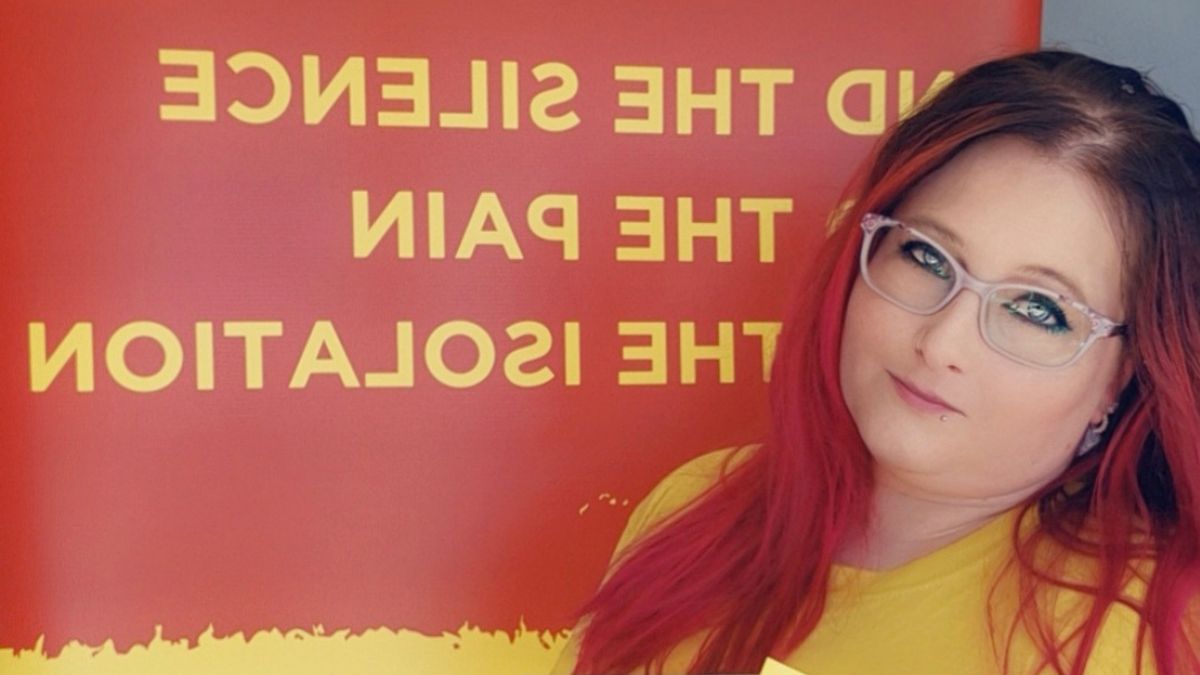
Jenni Johnson’s condition saw her stuck in the bathroom for 48 hours and unable to stand up on her right leg – but she was ‘fobbed off’ for years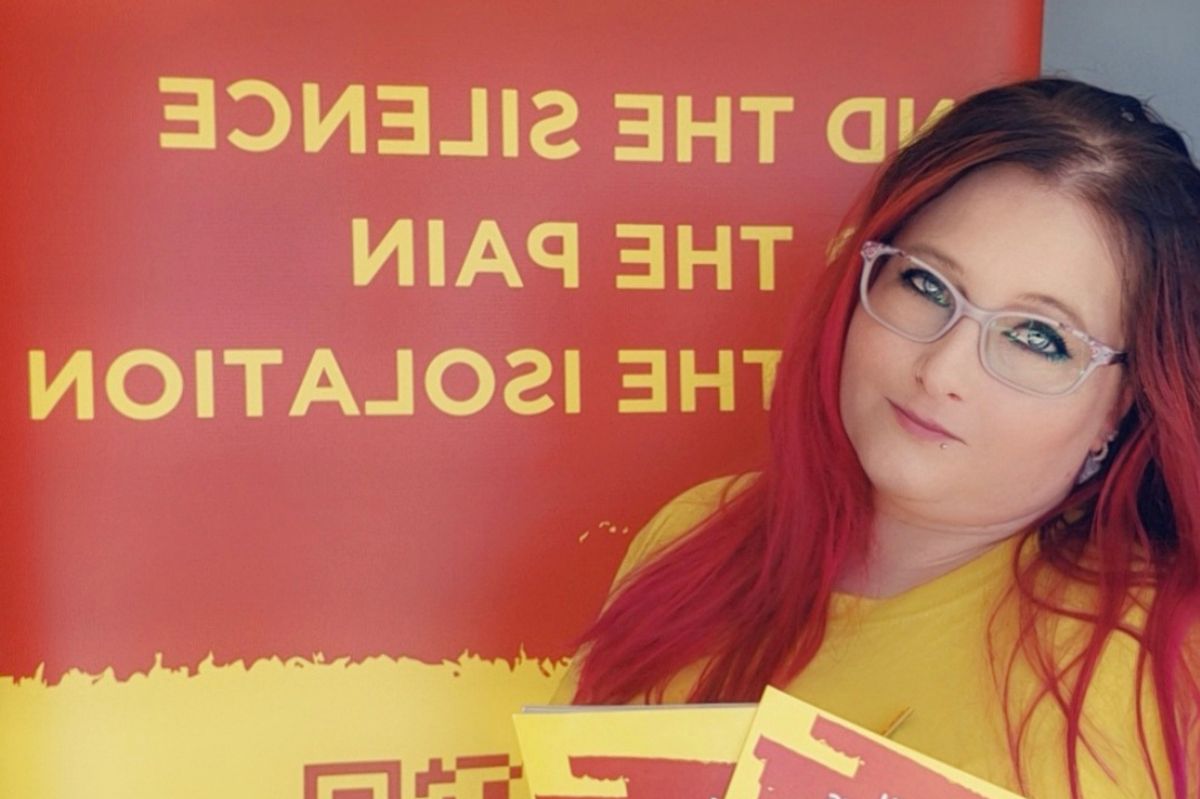
Jenni Johnson was ‘fobbed off’ by GPs for years despite experiencing excruciating pain(Image: Submitted)
When Jenni Johnson started experiencing “absolute agony” as a teenager, she was given two initial solutions by doctors: take some painkillers or go on birth control.
“I couldn’t even stand up on my right leg and I’d be stuck in the bathroom for 48 hours, but the doctors kept saying I was just having bad periods,” Jenni, from Sutton-in-Ashfield, explained.
“When it wasn’t my period, I was still having these symptoms but the painkillers would only work for a couple of months and I’d be back to where I was.”
Over time, Jenni’s symptoms began to worsen and she would take days off school, college, and later her job as a mental health nurse.
However, it wasn’t until when, aged 23, she sought IVF treatment, that it became clear her symptoms weren’t just a result of “bad periods”.
Instead, it then emerged that Jenni had been living with endometriosis, an inflammatory disease that affects one in 10 women.
The chronic condition can cause pelvic pain, painful periods and heavy menstrual bleeding and occurs when tissue similar to the lining of the womb grows elsewhere in the body.
Jenni eventually required a full hysterectomy and, now 38, continues to fight for further tests to confirm whether the condition has spread to her bowel.
But for years, she was “fobbed off” by GPs – and even when delivered the news of her diagnosis following a vaginal ultrasound for IVF, she says she was given little support and had to research the condition herself.
“They said they wouldn’t give me any IVF because I won’t fall pregnant, but I was given no information and just told it’s nothing to worry about and to take some painkillers,” Jenni continued.
“I had to do my own research and kept going to the doctors with problems – even if I had a chest infection, I’d get the symptoms again.
“It was brushed under the carpet and it got to the point where I was blacking out at work and I was putting myself in danger.”
After eventually being forced to give up work due to the condition, she was eventually given the support she needed by a locum GP who then referred her to a specialist.
She underwent a full hysterectomy at 33 following an operation which confirmed what she had known for years prior – that she was suffering from endometriosis.
But Jenni, who now relies on crutches and a wheelchair, believes if she had been offered such treatment earlier, she might still have her mobility and would not have been forced to give up her job.
“For the past five years, I’ve been fighting for a diagnosis on another organ and I’m having to put myself through all these scans once again,” she added.
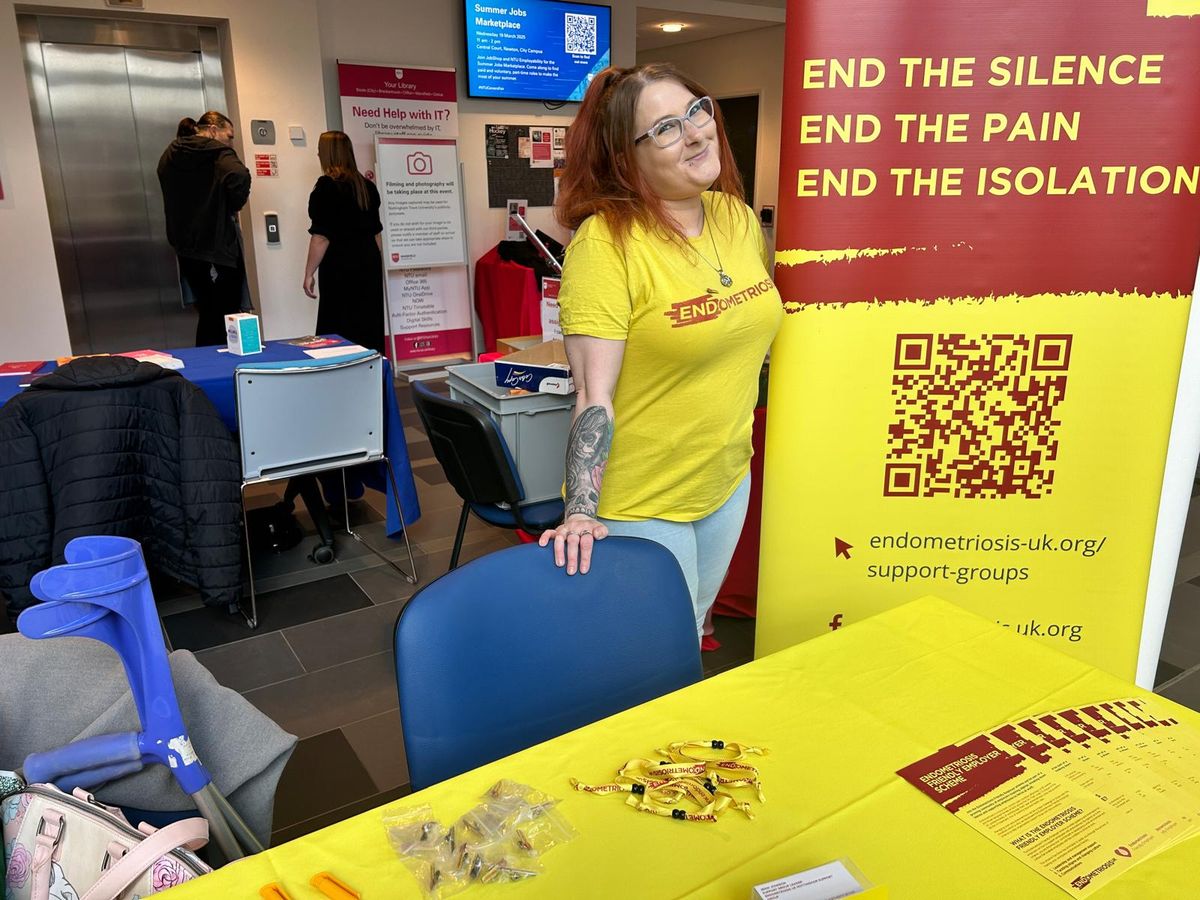
Jenni Johnson said joining Endometriosis UK helped her understand her condition(Image: Jenni Johnson)
“It’s like being a teenager again because I’m still being fobbed off even though I’ve had to teach myself everything.
“It has taken a big chunk out of my mental health and, in a short space of time, my independence was taken off me because of my mobility.”
Jenni now requires support from her fiancé in dressing and washing herself and is no longer able to walk the dog by herself.
But she isn’t alone in the harrowing experiences she has faced trying to get a clear answer on her symptoms.
According to the Endometriosis UK charity, the average time from first visiting a GP with symptoms to receiving a diagnosis has risen from eight to nine years and four months.
The charity also found that an astonishing 83% of people living with the condition had felt dismissed by healthcare workers.
Jenni, who runs the charity’s support group in Nottinghamshire, says she hears similar stories to her own every day.
“Women cry on the phone to me because the medical professionals still aren’t listening to them and it’s unfair that they can’t talk to a medical professional,” Jenni added.
“We’re trying to find a light at the end of the tunnel but the diagnosis time has gone up again and people are having to leave work or education because they aren’t being diagnosed.”
Endometriosis UK’s chief exec, Emma Cox, said: “It is unacceptable that those living with endometriosis have to endure years of pain and uncertainty before receiving a diagnosis.
“Our findings underscore the urgent need not only for increased awareness and understanding of endometriosis and menstrual health among healthcare providers, but for this to be translated into action, with appropriate levels of resources allocated by the NHS to overcome far too long waiting lists and enable access to care where and when it’s needed.
“Endometriosis care has been neglected for too long and the situation is getting worse.”
A Department of Health and Social Care spokesperson added: “Waiting nearly a decade for an endometriosis diagnosis is unacceptable.
“Stories like Jenni’s show just how badly women with painful conditions have been let down.
“We are determined to change that. We are renewing the women’s health strategy, improving training for new doctors and, through our 10-year health plan, we are cutting waiting times for gynaecology services so women get diagnosed and treated sooner.
“Endometriosis will also be prioritised through NHS online – a new online hospital service giving patients access to expert care from home.”
If you wish to join the support group, email nottinghamgroup@endometriosis-uk.org.