
Home » TRAVEL NEWS » United Kingdom Tourism, The Ultimate Travel Boom That Will Redefine Global Tourism And Skyrocket Visitor Spending To Unprecedented Heights
Published on
March 28, 2026
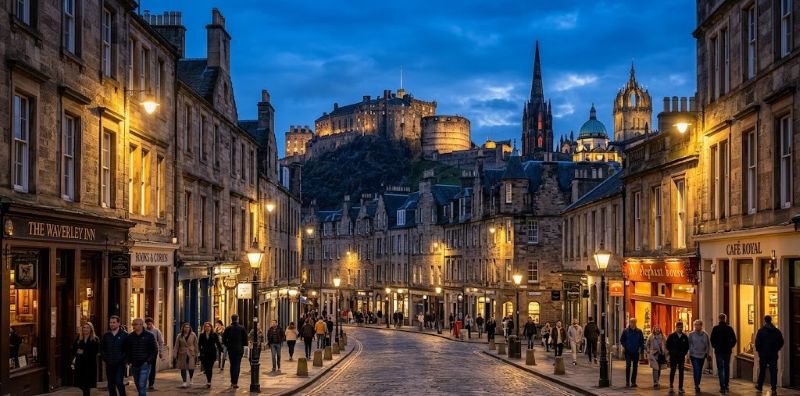
Image generated with Ai
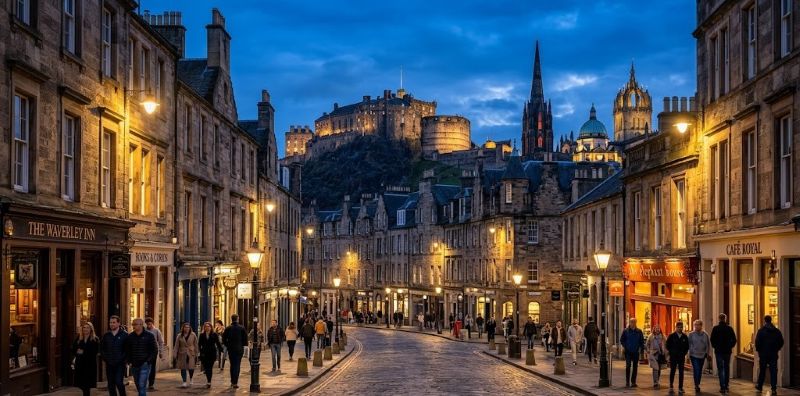
The United Kingdom is on the verge of witnessing an extraordinary surge in international tourism in 2026, with projections indicating record-breaking growth in both the number of visitors and tourist spending. This surge is expected to exceed pre-pandemic levels, driven by key developments in border systems, digital advancements, and aggressive marketing efforts. Experts are optimistic that millions of tourists will visit the country, contributing to a remarkable boom in the nation’s tourism economy.
Projections Show Robust Growth in Visitor Numbers and Spending
Industry experts suggest that the UK tourism sector is set to experience a significant recovery by 2026. According to forecasts, the number of international visitors is expected to reach 45.5 million by the year’s end, marking a notable improvement from the previous years. Visitor spending is also predicted to increase, potentially reaching £35.7 billion. These growth figures indicate the resilience of the UK’s tourism sector, which continues to show strong signs of recovery. The continued rise in demand, built on the positive performance of the past years, is positioning the UK for a historic boom in tourism, consolidating its status as one of the world’s top travel destinations.
The Influence of Digital Border Systems
Advertisement
Advertisement
A significant factor that will shape the UK’s tourism landscape in 2026 is the introduction of the Electronic Travel Authorisation (ETA) system. From February 25, 2026, nationals from 85 countries, including the United States, Canada, Australia, and EU member states, will need to apply for a digital travel permit before arriving in the UK. This new policy is designed to simplify border checks, reduce waiting times, and improve the overall traveller experience. By streamlining border control, the UK aims to create a seamless entry process that will likely make the country even more attractive to international tourists. The introduction of ETA is seen as a key step in boosting tourism demand and further supporting the growth of the industry.
How European Border Changes Will Affect UK Travel
Advertisement
Advertisement
In addition to internal changes in the UK’s border systems, European border regulations are also evolving, and these could influence travel patterns in 2026. For instance, the EU Entry/Exit System and the ETIAS travel authorisation will require additional processing for tourists entering the Schengen area. These changes could influence travellers’ decisions, leading them to favour the UK’s simpler single-entry system instead. Experts suggest that the complexity of multi-entry rules in Europe might prompt some tourists to focus on visiting the UK instead, especially those taking short breaks. This shift in preference could lead to more visitors choosing the UK as their main destination, potentially boosting spending on British heritage sites, cultural events, and tourist attractions.
Targeting Affluent Markets with Aggressive Marketing Campaigns
Advertisement
Advertisement
In response to these changes, the UK government has ramped up its marketing efforts to attract high-spending tourists from key global markets. The United States, Gulf States, India, and China have been identified as priority regions for targeting wealthy tourists eager to explore the UK’s cultural heritage, major events, and film tourism locations. These markets are known for sending affluent travellers, who typically contribute significantly to local economies. The government’s marketing campaigns are tailored to ensure that the UK remains competitive by appealing to this growing number of high-value tourists. This strategy aims to secure the UK’s position as a leader in global tourism.
Economic Benefits of Increased Tourism
The anticipated increase in visitors is expected to bring a significant economic boost to the UK. Various sectors, including hospitality, transportation, retail, and cultural industries, stand to benefit. Tourism is a major driver of the UK economy, and this influx of visitors will provide a much-needed stimulus to local businesses and create new employment opportunities across the country. As tourists spend money on accommodations, attractions, and local services, there will be a multiplier effect, benefitting both the national economy and local communities.
However, this growth is not without its challenges. Experts have raised concerns about potential staff shortages, airport congestion, and the capacity of popular destinations. These issues could negatively impact the visitor experience if not properly managed. Capacity constraints may make it difficult to manage the increased demand, leading to delays and a less than optimal experience for tourists. Addressing these challenges will be key to ensuring that the UK can fully capitalize on the predicted growth in tourism.
Challenges for Long-Term Sustainability
While the outlook for UK tourism in 2026 is largely positive, there are concerns about the sustainability of this growth in the long run. Experts stress that, to maintain the UK’s competitive edge, ongoing investment in tourism infrastructure will be crucial. The increase in visitor numbers will require the country to upgrade its transportation networks, improve airport facilities, and increase the capacity of accommodation providers. Experts also suggest that the training of staff in key sectors like hospitality and customer service will be essential for maintaining a high standard of service.
Efficient resource management will be necessary to handle the increased demand while ensuring that service quality remains high. Investments in improving airport infrastructure and public transportation systems will be critical in managing the influx of tourists. Additionally, the tourism sector will need to collaborate with local businesses to ensure that popular tourist sites are not overwhelmed, and that tourists can enjoy a positive, hassle-free experience.
The Future of the UK’s Tourism Industry
Looking ahead to 2026, the UK tourism sector is poised to reach new heights. With digital tools and targeted marketing efforts, the UK is on track to see an influx of international visitors, creating a record-breaking surge in tourism. This growth will benefit the economy, boosting the hospitality sector, retail, and other industries linked to tourism.
However, in order to maintain this momentum, it is essential that the UK addresses its infrastructure challenges and continues to invest in the visitor experience. Sustainability, quality service, and efficiency will be key factors in ensuring that the UK remains a top destination for international travellers in the long term. With proper planning and investment, the UK’s tourism industry can continue to thrive, ensuring it stays competitive on the global stage. The UK is set to experience an unprecedented surge in international tourism in 2026, positioning itself as a global tourism leader. However, as the number of visitors rises, addressing challenges like staff shortages, infrastructure bottlenecks, and capacity limits will be crucial. By focusing on sustainability, innovation, and quality service, the UK will be able to maintain its competitiveness in the tourism sector and continue to attract millions of visitors from around the world. Proper management and careful planning will ensure that this growth is both manageable and sustainable, leading to long-term success for the UK’s tourism industry.
Advertisement
Advertisement
