
Failure to comply could result in a £400 fine
The new rules come into place next week.(Image: Getty)
From next Tuesday (March 31) households across England must adapt to a host of new bin rules as the government’s ‘Simpler Recycling’ initiative comes into force.
Designed to end the “postcode lottery” of waste disposal, the new regulations mandate a universal standard for what can and can’t be recycled.
Local authorities have warned that improper bin usage under these new guidelines could result in fixed penalty notices of up to £400.
Get MEN Premium now for just £1 HERE – or get involved in our WhatsApp group by clicking HERE. And don’t miss out on our brilliant selection of newsletters HERE.
The Department for Environment, Food and Rural Affairs (Defra) aims to streamline collections so that the same materials are accepted whether you’re at home, work, or school.
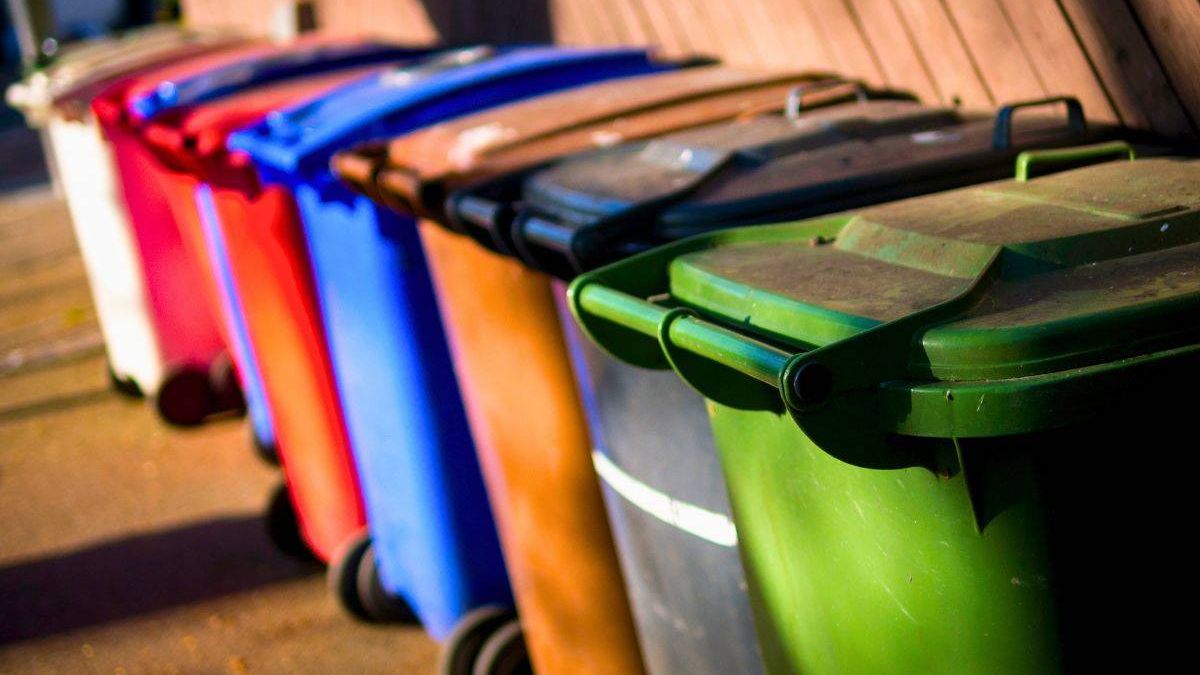
Most households will now transition to using at least four separate bins to categorise waste into:
Food and Garden WastePaper and CardDry Recyclables (Glass, Metal, Plastic)General Rubbish
Items that waste collectors can take include plastic film packaging and plastic bags, that will need to be collected with plastic recycling. Paper and card can also be collected with other dry recyclable materials where appropriate.
However, there are a number of items that waste collectors will not collect that can’t be collected. According to the Department for Environment, Food & Rural Affairs, the following 37 items won’t be collected.
GlassCandles.Drinking glasses.Flat glass.Glass cookware (such as Pyrex).Light bulbs and tubes.Microwave plates.Mirrors.Vases.Window glass.Ceramics, such as crockery or earthenware.MetalLaminated foil, like pet food pouches and coffee pouches.Electrical items and batteries.General kitchenware like cutlery, pots and pans.Kettles.Irons.Pipes.Metal packaging that has contained white spirits, paints, engine oils or antifreeze.PlasticAny plastic packaging or non-packaging items labelled as ‘compostable’ or ‘biodegradable’, including coffee pods.Plastic bottles that have contained white spirits, paints, engine oils or antifreeze.Bulky rigid plastics such as garden furniture, bins and plastic toys.Polystyrene (expanded and high impact) packaging such as packing beads.Polyvinyl chloride (PVC) packaging.Paper and cardFood and drinks cartons made of a fibre-based composite (these should be collected in the plastic stream)Absorbent hygiene products (AHPs) including nappies, period products and incontinence productsCotton wool or makeup padsTissue or toilet paperWet wipesFood waste
Any plastic packaging or non-packaging items labelled as ‘compostable’ or ‘biodegradable’, including coffee pods.
Garden wasteAnimal beddingBulky waste (including garden furniture and fencing)Garden tools or other gardening equipmentPlant potsPlasticSandSawdustStone, gravel or bricksTea bags or coffee groundsBranches and trees over a certain size may have to be cut into smaller pieces to follow local guidance