
(Credits: Far Out / Cal Montney / Los Angeles Times / UCLA Library)
Sun 29 March 2026 4:00, UK
You don’t become one of the defining bands of the counterculture age overnight, and John Fogerty was chipping away at the rock and roll world for almost an entire decade before Creedence Clearwater Revival truly hit their stride, in the unlikely surroundings of industrial action and a hippie benefit gig.
It was in 1967 that CCR officially landed on the blossoming realm of hippiedom, but they didn’t arrive completely out of left field. Prior to their re-christening as the Revival, Fogerty’s outfit had been around since 1959, under various names including The Blue Velvets and – most regrettably – The Golliwogs.
During those early years, though, the band never quite took off, with their litany of jukebox covers and run-of-the-mill rock tracks failing to make any impact at all on America’s rapidly developing music scene.
Arguably, the tipping point for the band came when both Fogerty and drummer Doug Clifford were drafted into the US Army, although they managed to evade being shipped off to the jungles of Vietnam. There, it would appear as though the songwriter had an epiphany, and when he returned to his music, he did so with a renewed spirit, drive, and discipline that would eventually form the core basis of Creedence Clearwater Revival.
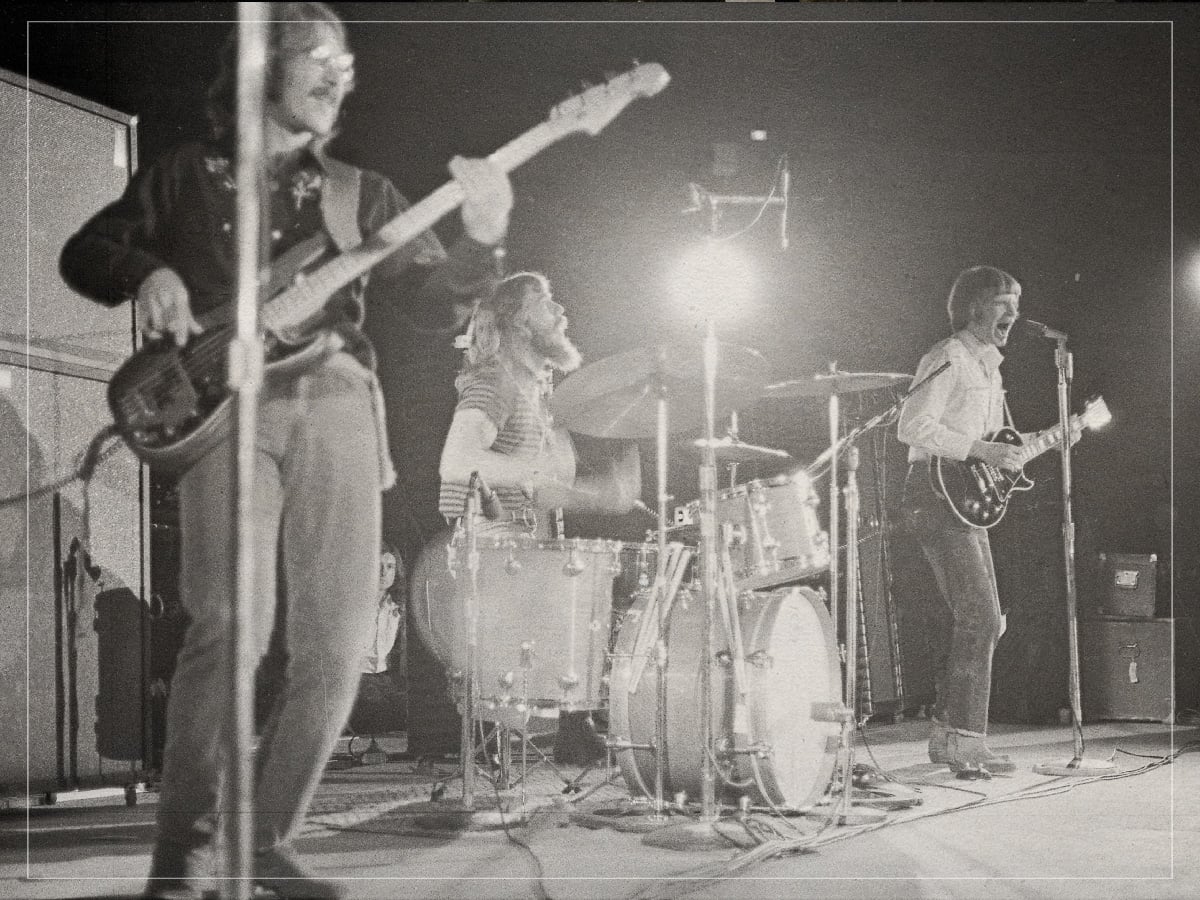
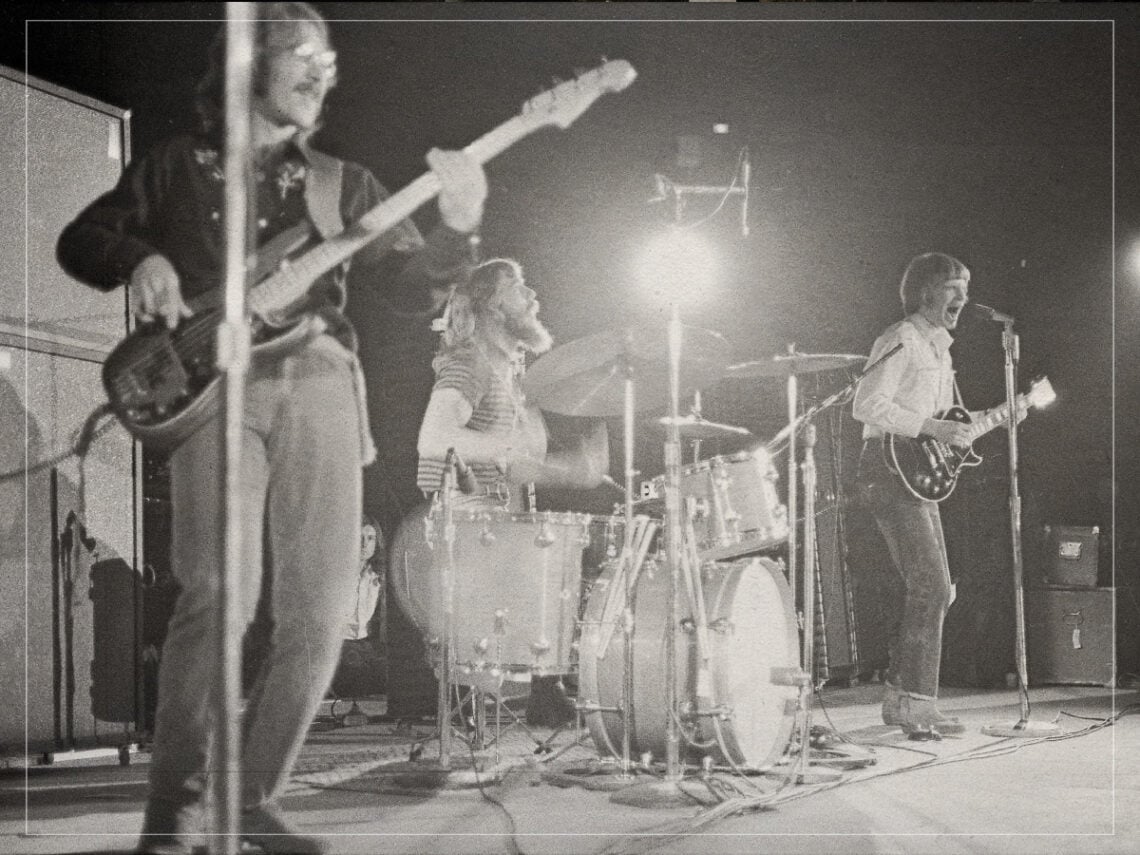
Even then, though, this new era of Fogerty’s output took some time to settle. In the end, it was on one fateful night in 1968 that things finally fell into place. Along with the likes of the Grateful Dead and Blue Cheer, CCR took part in a benefit show for the legendary San Francisco rock radio station KMPX, whose workers had gone out on strike.
As the frontman later recalled to Rolling Stone, “When we’d played the KMPX strike benefit, was finally when we were sure of ourselves.”
“We had a repertoire, were able to do it well; and we had, I guess, whatever presence you need,” Fogerty continued, fondly remembering the gig which marked the first real arrival of Creedence. “We were just happy with what we were doing. Before we were so critical. We had so many things in the way.”
Adding, “We never had a PA that worked. No one seemed to understand that, you know, you need a good PA system.”
At the San Francisco strike benefit, Fogerty finally found that decent PA system, even if it was reportedly one in the morning by the time that the band managed to make it onto stage. At that time, the group were still a few months away from releasing their debut record, and were virtual unknown in comparison to Jerry Garcia’s outfit, which undoubtedly formed the highlight of the benefit.
Nevertheless, that benefit gig helped to establish CCR among the defining groups of the hippie age, predicting their later rise to anti-war heroism and that stand-out set at Woodstock Festival only two years later. At long last, Fogerty’s musical output had hit its stride, and, well over half a century on, the songwriter is still riding that unbreakable wave that first started rolling over the horizon in solidarity with those striking radio workers.
