
Cheetahs, giant otters and great hammerhead sharks are among dozens of species that countries including the UK have agreed to save by imposing stronger protections.
On Sunday, Britain and more than 130 countries wrapped up a week-long conference on a global treaty on migratory species by passing 40 new protections for birds, whales and other species that travel huge distances and cross borders.
The striped hyena, a scavenger suffering from habitat loss and conflict with people, was among the animals added to “appendix I” of the treaty, the United Nations’ Convention on the Conservation of Migratory Species.
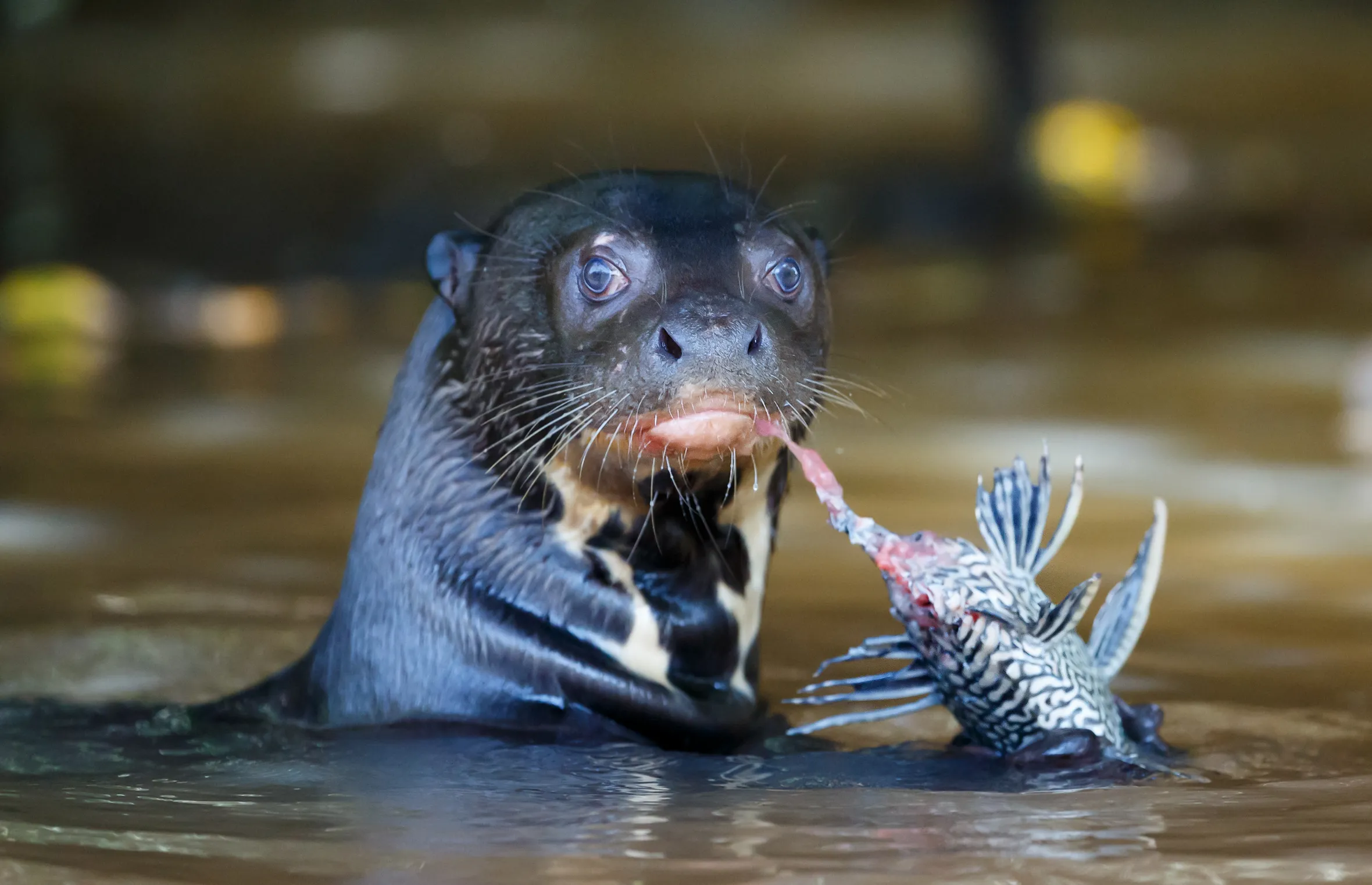 A giant otterGetty
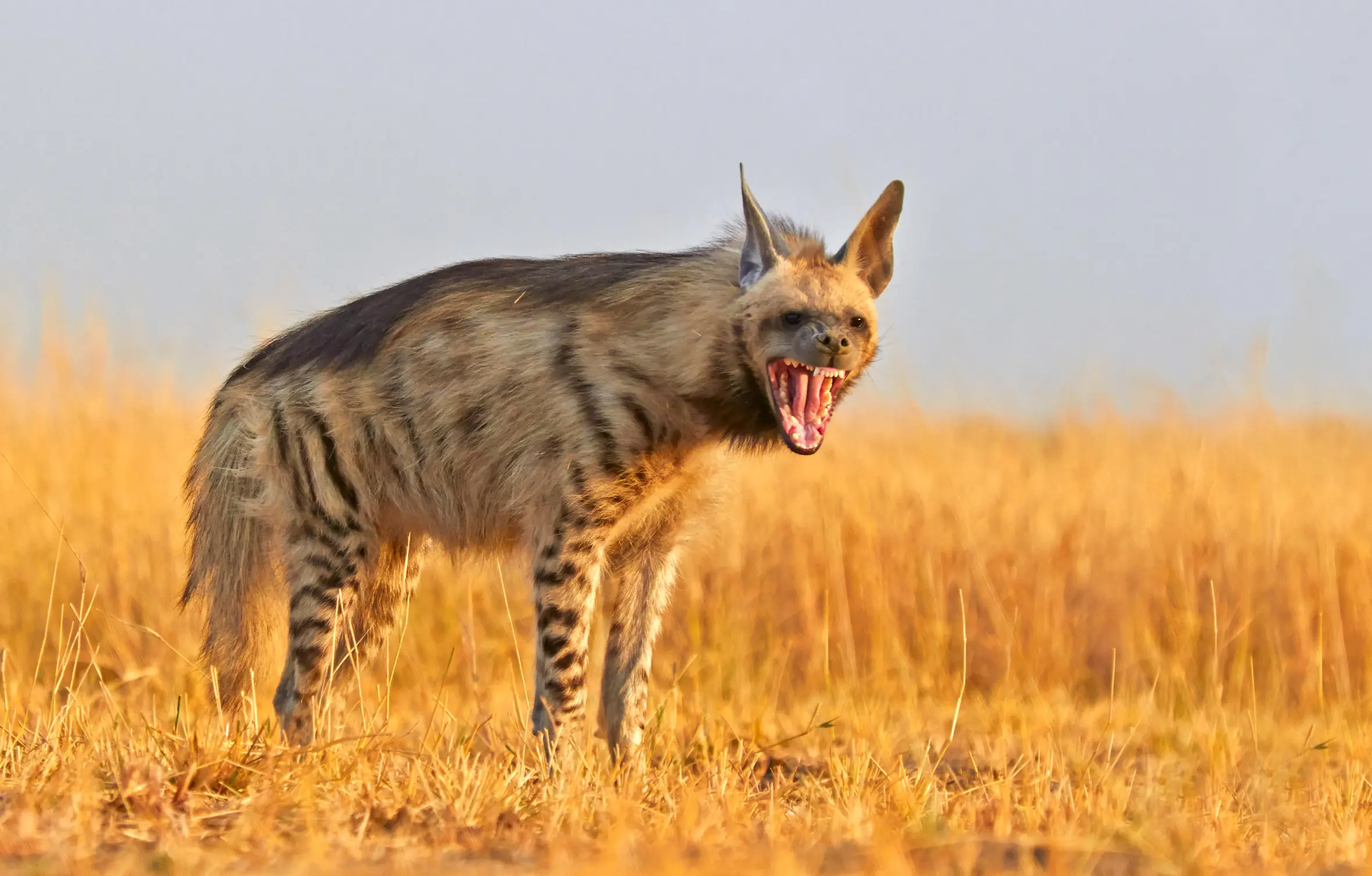 Striped hyenaALAMY
The listing grants the highest level of protection, meaning that states which are home to the animals must stop the killing or hunting of them. That could lead to more rangers and stronger punishments for poachers, as well as simple measures such as removing fences to allow species to migrate.
The 170 or so cheetahs (Acinonyx jubatus) in Zimbabwe were added to the listing, along with the giant otter (Pteronura brasiliensis), which is found along South American rivers. Capable of reaching 1.8 metres in length, the otters are hunted for their fur and threatened by gold mines.
Several species received a separate protection, “appendix II”, which requires governments to work together across borders to help the animals. Those included the snowy owl (Bubo scandiacus), flesh-footed shearwater (Ardenna carneipes) and several other birds.
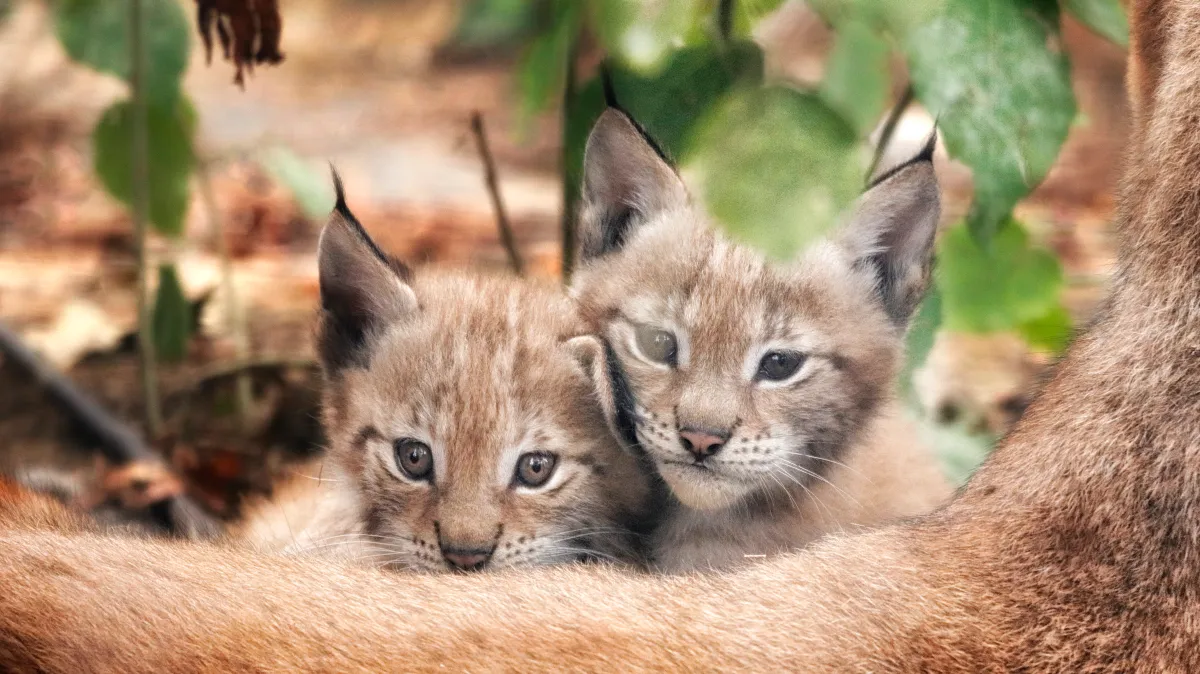
The conference also agreed “concerted action” plans to help a swathe of animals including the Eurasian lynx (Lynx lynx), which some ecologists want to return to Britain, and the basking shark (Cetorhinus maximus), which is seen in UK waters during the summer months.
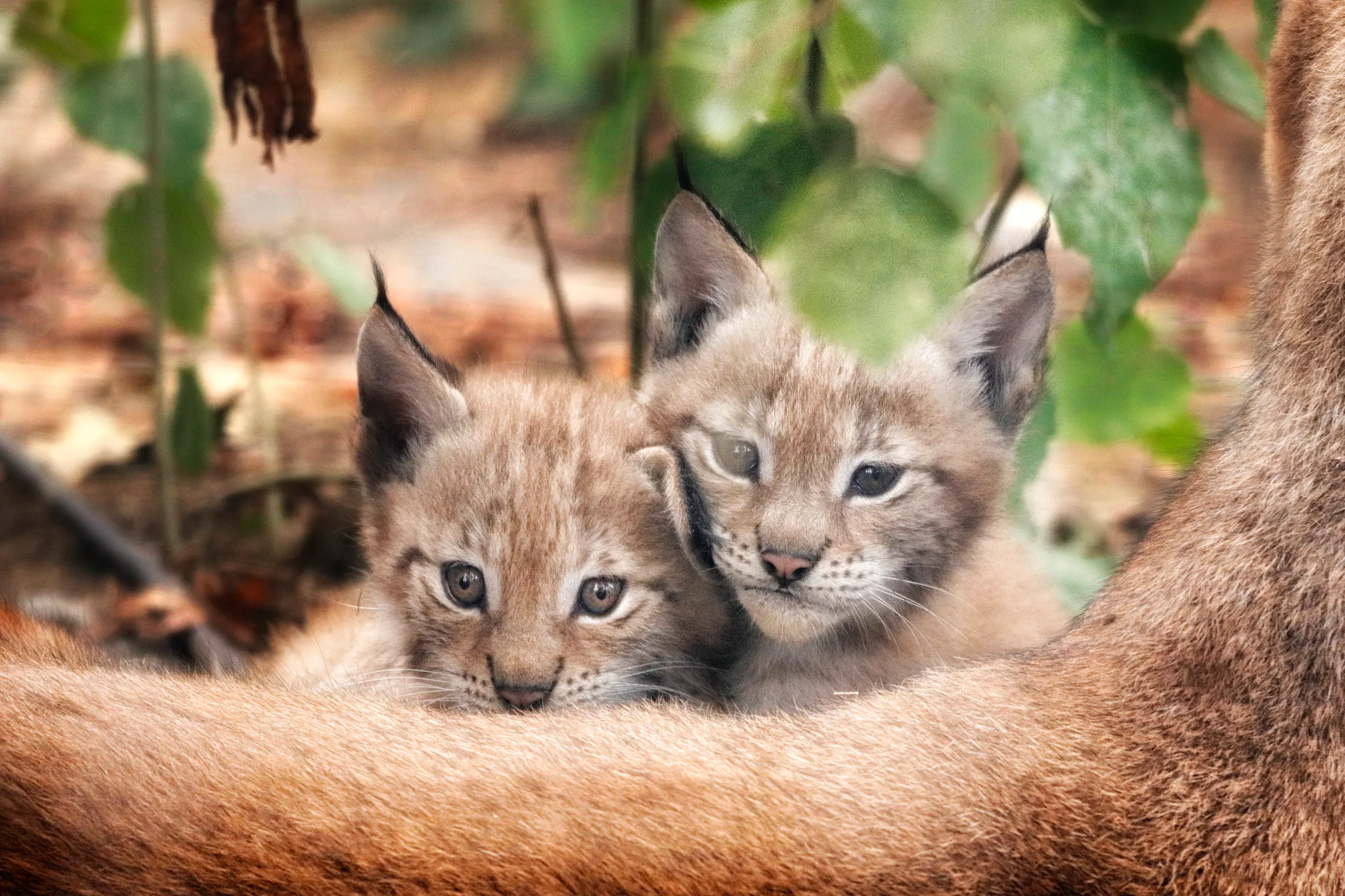 Eurasian lynx kittensGETTY IMAGES
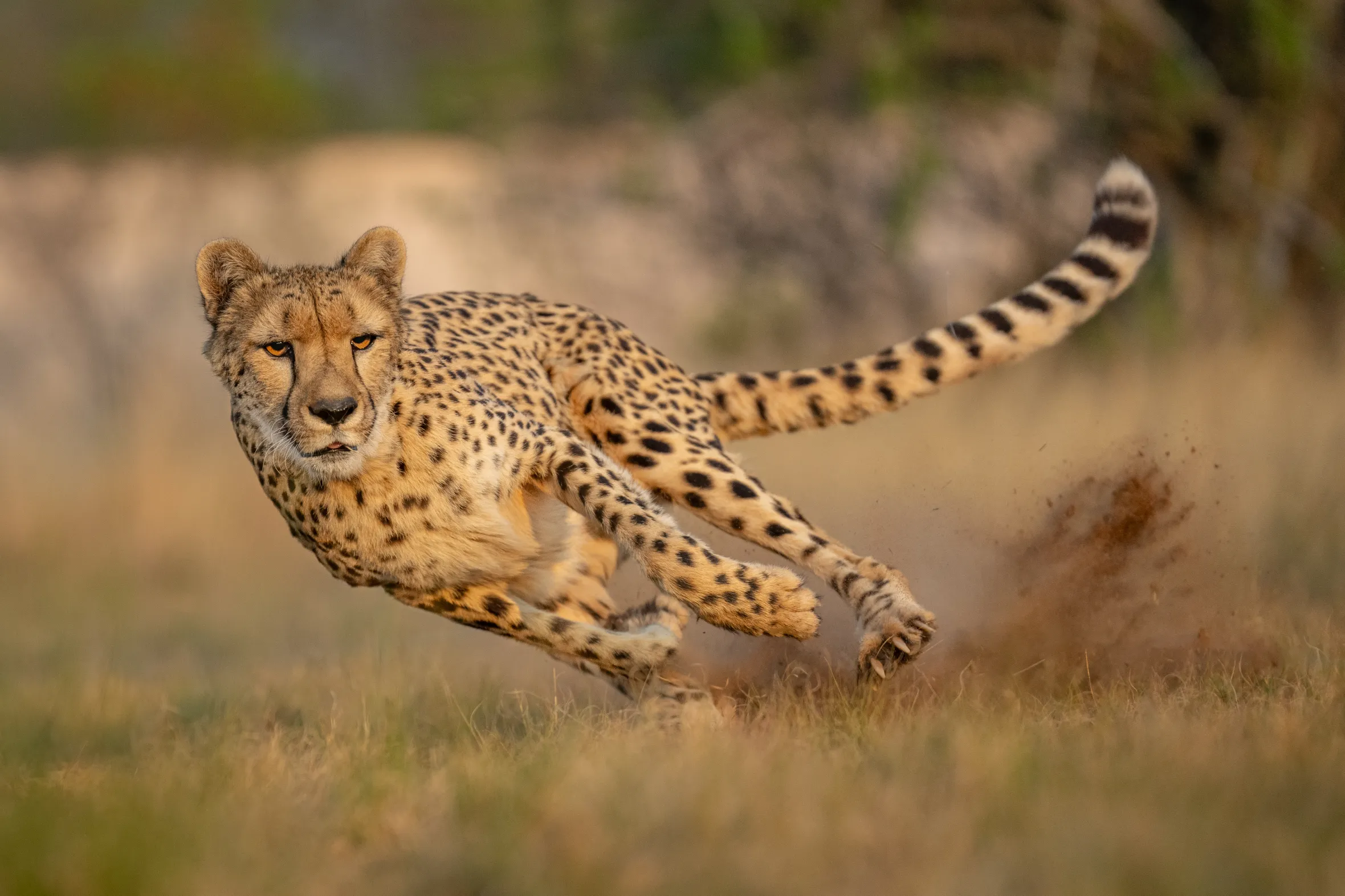 An African cheetah Getty
Delegates heard from scientists that 49 per cent of migratory species protected under the treaty were declining. The figure is up from 44 per cent just two years ago.
Environment newsletter
The latest climate, energy and nature news and analysis, plus reasons to be hopeful.
Sign up with one click
As the meeting drew to a close in Campo Grande, Brazil, ecologists hailed the outcome as an “important step”. However, they said success would depend on how governments acted on the ground.
“Now the real work begins — translating these commitments into co-ordinated action on the ground to secure a future for these species and the ecosystems they depend on,” said Susan Lieberman, vice-president for international policy at the Wildlife Conservation Society, a US not-for-profit group.
Fishing restrictions ‘not enforced’ in marine protected areas
An analysis by Greenpeace has revealed that more than 1.3 million tonnes of fish have been caught in Britain’s marine protected areas (MPAs) since 2020.
The campaigners claimed that the government’s refusal to enforce fishing restrictions in Britain’s 377 MPAs meant that they remained “little more than lines on a map”, open to 240m-long “super trawlers” and bottom-trawlers that drag nets along the seabed.
The government has had the power to impose fishing restrictions on MPAs since Brexit and inherited a target to ban bottom trawling within them by the end of 2024. But so far it has only banned it in parts of 13 areas and is preparing restrictions on a further 42.
Chris Thorne, senior oceans campaigner for Greenpeace UK, said “banning bottom-trawling in some areas would be a step forward”. But he noted that only 250,000 tonnes had been caught via the method, compared with more than a million via conventional fishing nets. “If the government wants to show real leadership on ocean protection, it must stop all industrial fishing in UK MPAs,” he said.
In October a study by the charity Oceana UK found that only 41 per cent of Britain’s fish stocks were in healthy condition, with the rest too exploited to sustain their population levels. The government was approached for comment.