
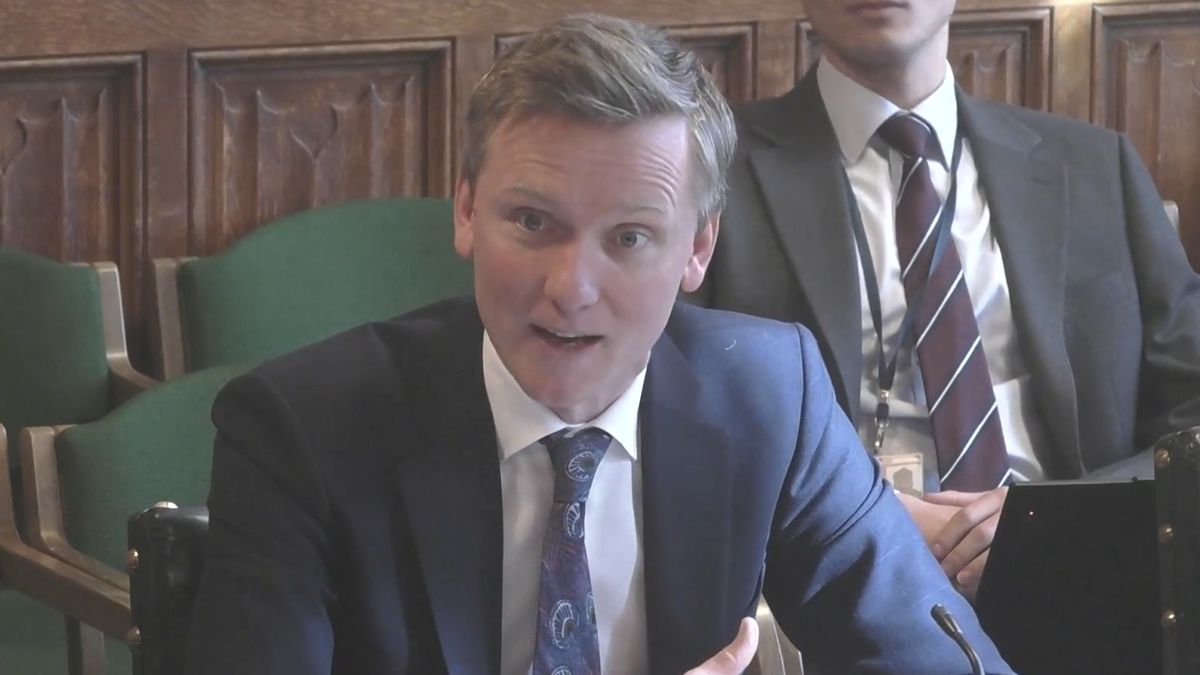
State pension payments increase each April in line with the triple lock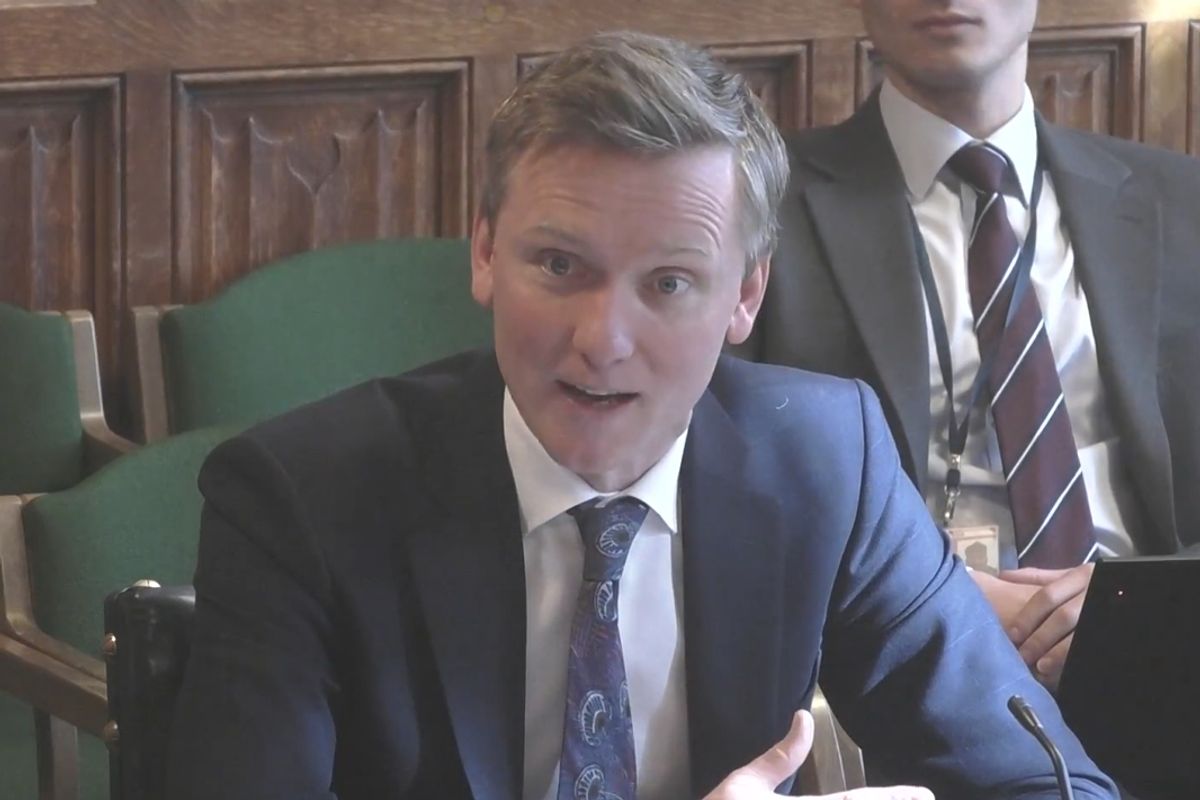
DWP minister Torsten Bell speaking to MPs(Image: UK Parliament)
A senior DWP minister has provided an update about the future of the triple lock policy. The Government policy is set to boost payments by 4.8 per cent from April onwards.
The policy guarantees the state pension rises each April according to whichever is highest: inflation, average earnings growth, or 2.5 percent. DWP minister Torsten Bell recently appeared before the Work and Pensions Committee to discuss various matters concerning retirement and pension provision.
Among the questions posed was whether he believes the Government should maintain the triple lock. The policy has delivered substantial increases to payments in recent years, including a record 10.1 percent rise in April 2023, driven by soaring inflation the previous year.
Pensioners then benefited from an 8.5 per cent uplift the following year, matching the growth in earnings. The escalating cost of the state pension prompts questions about how viable the triple lock will be over the long-term, and whether ministers will soon need to switch to a system with less generous increases.
State Pensioners to face major tax change
Mr Bell said in response: “We are going to be keeping the triple lock, yes, through this Parliament.” When pressed about whether the policy would need to be changed in the long term, he simply responded: “A manifesto is a manifesto.”
During the General Election campaign, Labour vowed to maintain the triple lock throughout this Parliament. This commitment will see payments rise by 4.8 percent this April, boosting the full new state pension from £230.25 per week to £241.30 per week, equivalent to £12,548 annually.
Slightly higher level
The full basic state pension will increase from £176.45 per week to £184.85 per week, or £9,612 per year. Mr Bell further told the committee: “The Government’s revealed objective is that we want to see a slightly higher level of the state pension relative to earnings, which is being delivered by the maintenance of the triple lock over the course of this Parliament.
“That is the £30 billion increase in state pension expenditure over the course of this Parliament.” Andrew Prosser, head of Investments at investment platform InvestEngine, raised concerns over whether the triple lock could place an unsustainable financial burden on the Government.
He said: “The triple lock may become unaffordable if pension payouts rise faster than Government revenue, particularly as the population ages and life expectancy increases. Analysts suggest this could become a significant strain over the next decade, forcing policymakers to review or amend the system to balance cost and fairness.”
He encouraged people to check their National Insurance (NI) records for any shortfalls that they can fill in. This can potentially increase your state pension entitlement. As a general rule, you need 35 years of NI contributions to qualify for the full new state pension, while 30 years of contributions are needed to receive the full basic state pension.