
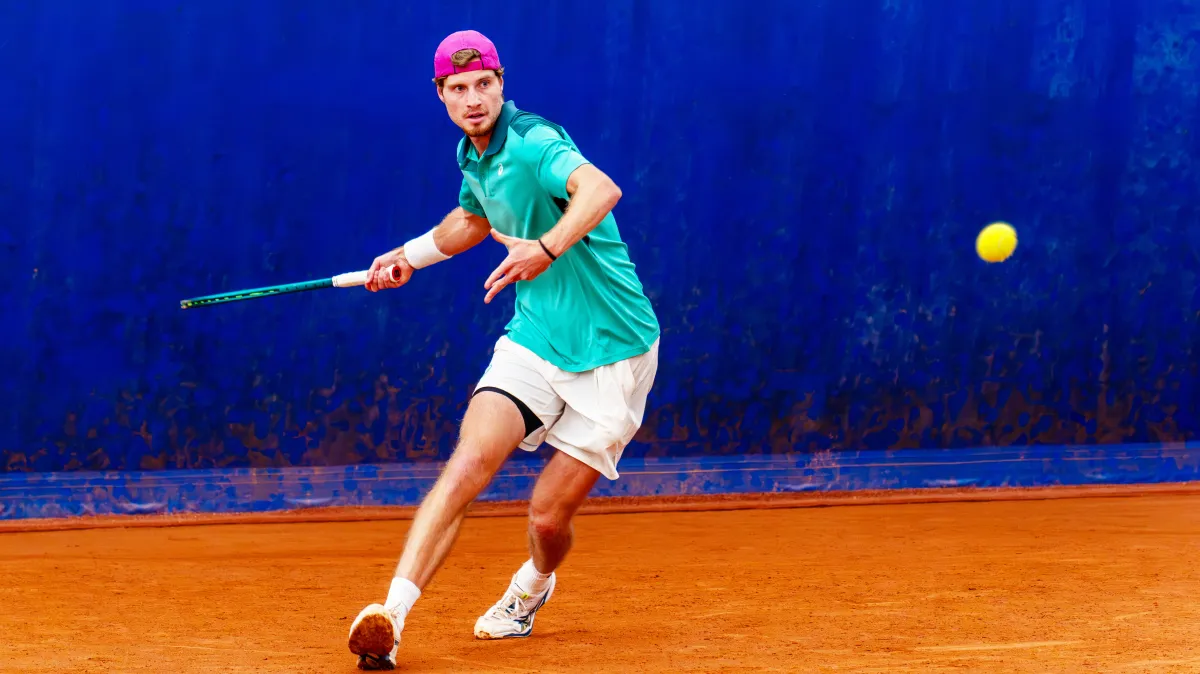
Jack Draper did not have to search far for advice about the bone bruising that halted his momentum and left him in a dark place. Less than a year ago Toby Samuel was the one toiling in the gym and the physio room at the LTA National Tennis Centre in the depths of the same problem.
A standout college player at the University of South Carolina, the 23-year-old had just kickstarted his professional career in 2024 when a throbbing pain in his right arm kept him off the court for the best part of a season. After plummeting nearly as low as No2,000 in the world rankings and losing against poor opposition in the early stages of his comeback, thoughts invariably began to cross Samuel’s mind that the dream his life revolved around had been cruelly ripped away.
“I was questioning if I was ever going to get back [on track],” he says. “You have a few doubts. I tried to play through [the pain] because I felt like I couldn’t take more time out, but I wasn’t doing well. I was just a bit all over the place, not feeling good physically or mentally. It was a really tough time. I said to my coaches, ‘Am I just not good any more? What has happened?’”
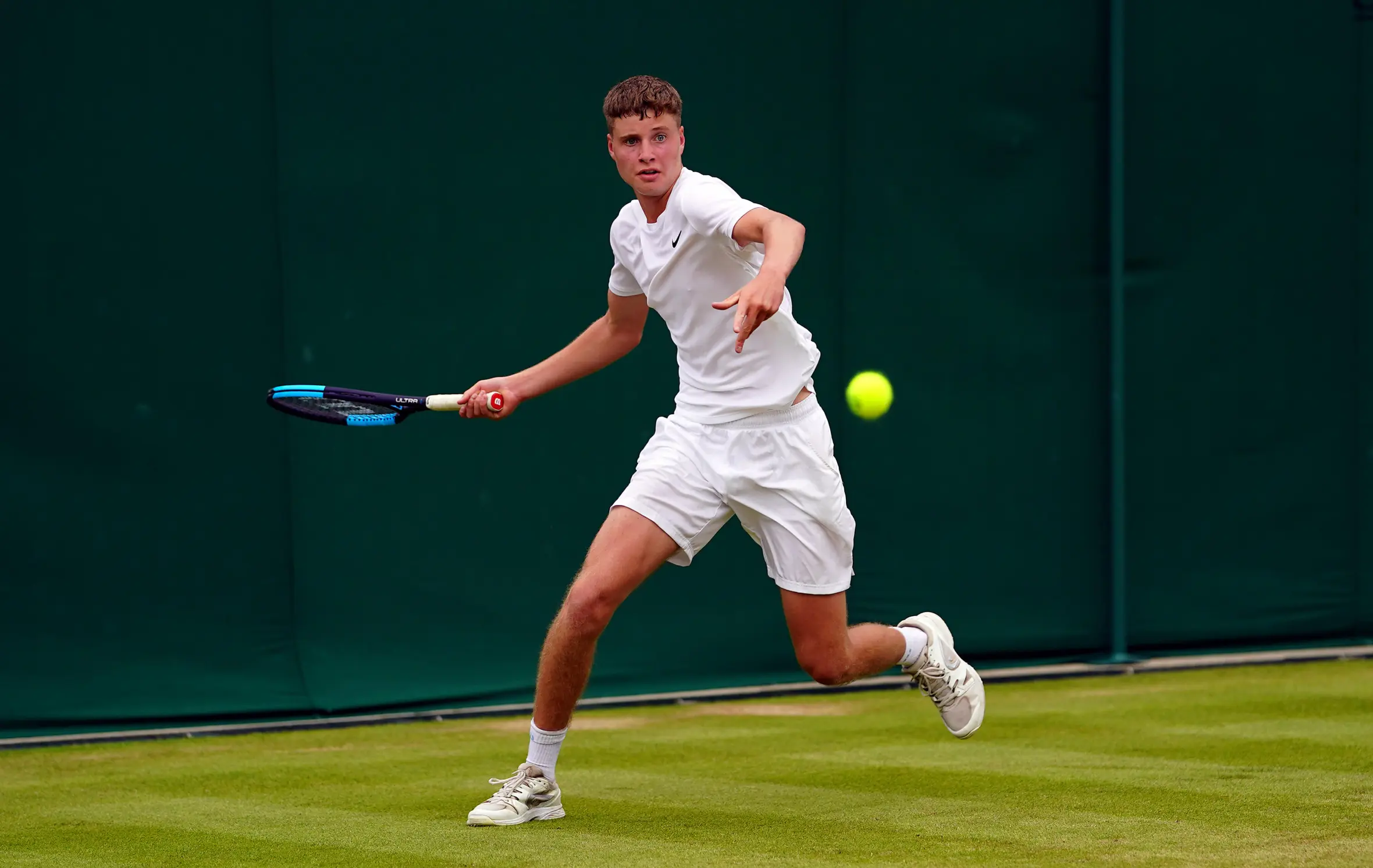 Samuel played in the boys’ singles at Wimbledon in 2019 but the Covid pandemic the next year stunted his progressAlamy
Fast forward to the present and Samuel’s perseverance has made him one of tennis’s fastest-rising players. A 16-match win streak dating back to the last week of February has comprised one Futures and two Challenger titles and the pain in his arm is a thing of the past. Now ranked No172, and set to climb at least six places higher after winning his round-of-32 match at the Barletta Open on Monday, Samuel has secured his place in qualifying for the French Open and is a prime candidate for a wild card to make his main-draw singles debut at Wimbledon.
At Samuel’s lowest ebb, Draper, who is a year older, was one of the people who lifted his spirits. “He actually reached out and helped me when I was struggling,” Samuel says. “He’s been super-nice, gave me a lot of encouragement and said, ‘Keep going. You can do it. Keep pushing even though you might not be feeling amazing. Next year you’ll be back and doing well.’”
When Draper succumbed to the same injury midway through last year, which ultimately kept him off the court for six months, Samuel did his best to return the favour. “I’ve tried to help as much as I can, giving him what I was doing for rehab and stuff, and how much I was serving, but it is a tough injury because there’s no set time or magic cure for it, so it is tricky,” he says.
Ironically, the rightful excitement about Draper’s rise meant Samuel was sometimes in the shade as a junior, despite being the best in Britain in his age group, and nor was tennis necessarily a natural choice. Samuel’s father played semi-professional rugby for Romsey in Hampshire and his mother represented Great Britain in gymnastics before the pair took up senior roles at the NHS. “My mum did take me and my brother to gymnastics lessons, but we were the odd ones out in the class. We were gangly,” Samuel, who is now 6ft 3in, says with a laugh.
A Dorset county champion in breaststroke and a talented central midfielder, Samuel was awarded an academy contract at Bournemouth when he was about 11, but quickly became disenchanted after being moved into defence and told his parents he wanted to focus solely on tennis, having first picked up a racket aged four at St Leonards & St Ives Tennis Club in Ringwood.
“Also, I support Southampton, so my dad was like, ‘Obviously you can’t play for them,’” he says, with another chuckle. After moving to West Hants Club, Samuel benefited from training regularly with Jack Pinnington Jones, now the world No138, who also attended Bournemouth Collegiate School, and the pair became close friends as well as rivals in the juniors.
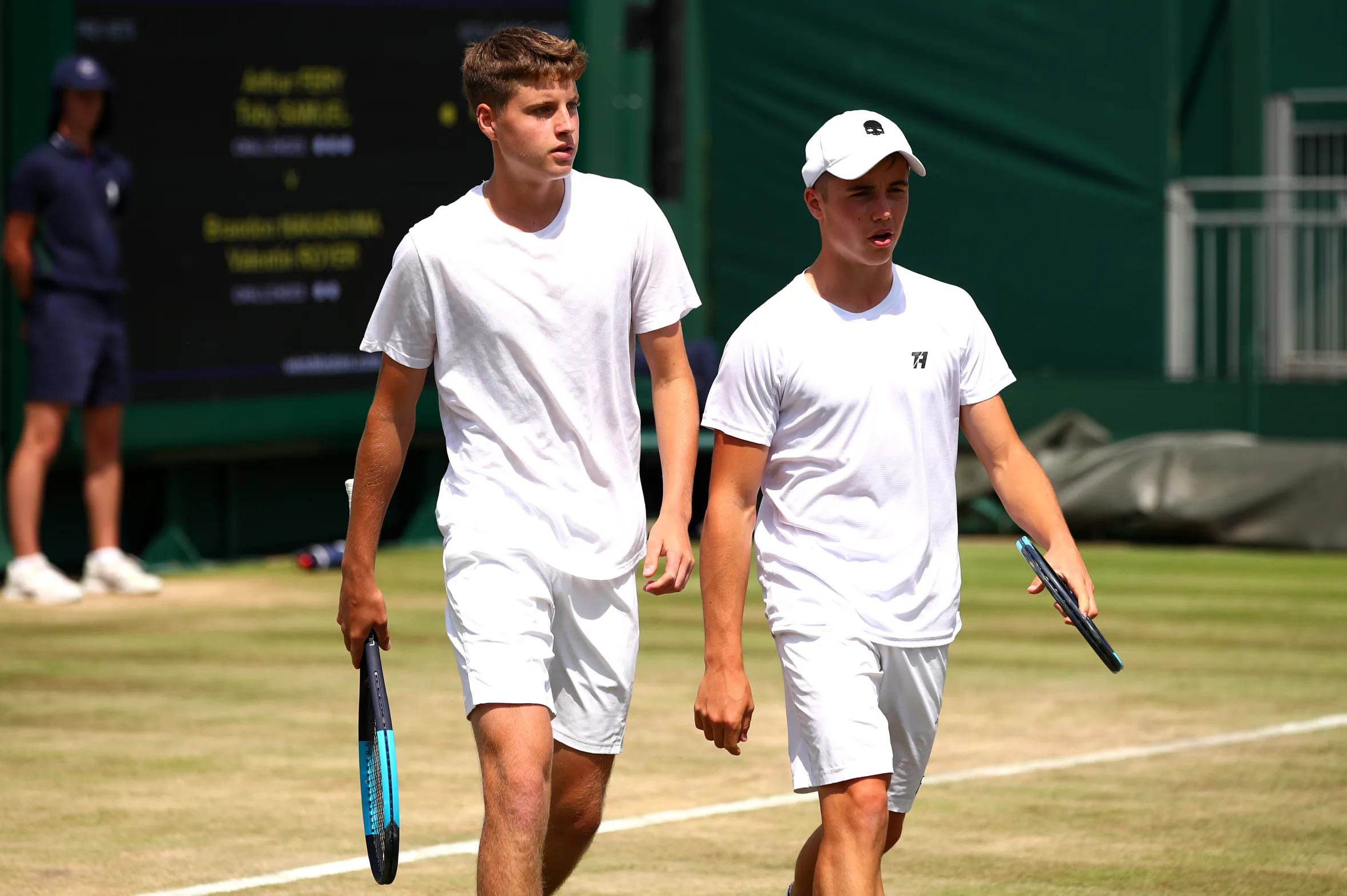 Samuel with Fery, right, en route to the Wimbledon boys’ doubles semi-finals in 2019. Only nine ranking places separate the pairClive Brunskill/Getty Images
“We were both boarding back in the day and we had to play each other in a match when I was like 15,” Samuel says. “I was so nervous because I was a year older than him and all the kids at school were asking us who’s better and who’d win in a match. Obviously I said I’d win, he said he’d win, and then I think I lost 7-6 in the third set. It was horrible going back in the next day.”
Samuel reached the semi-finals of the boys’ doubles at Wimbledon in 2019 alongside another good friend, Arthur Fery, and peaked at No57 in the ITF junior rankings. However, the Covid pandemic denied him the chance to play in the boys’ singles at Wimbledon and the US Open the following year. A promising talent but by no means a guaranteed success in such a fiercely competitive sport, Samuel accepted a scholarship to the University of South Carolina, rather than immediately turning professional, like Draper and Pinnington Jones — though the latter ultimately changed his mind after a short stint on tour and attended Texas Christian University.
“My parents wanted me to get a degree [Samuel studied sports management] because you never know what’s going to happen. It wasn’t like I was going to fly up the rankings like [Carlos] Alcaraz or [Jannik] Sinner. I’m so glad I went because I loved it. It was the best four years of my life,” he says.
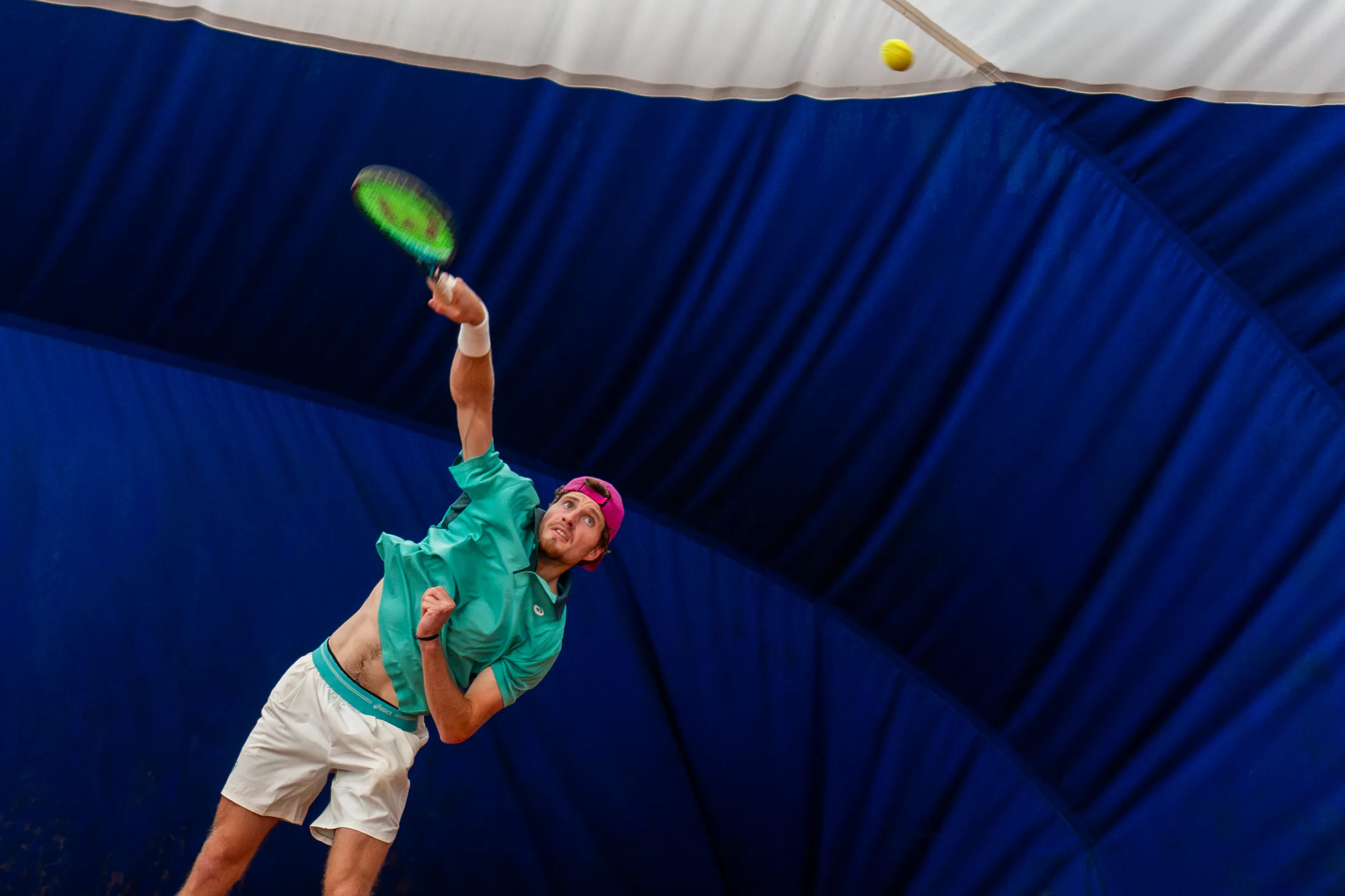 Samuel is on a 16-match winning run, claiming two Challenger titles in the process Federica Battiato for The Times
As a reward for finishing tenth in the college singles rankings, Samuel received six main-draw spots in Challenger events as part of the ATP Accelerator Programme, which is designed to fast-track the transition of top prospects in the pro ranks. Armed with a well-rounded game and good movement — his college coach, Josh Goffi, memorably likened him to a “gazelle on the court” — Samuel instead began to notice the ache in his right bicep growing worse shortly after graduating in spring 2024.
A specialist advised him to take several months off and a premature comeback attempt in September meant Samuel was not afforded a protected ranking — players must be sidelined for at least six months to be eligible — and he lost virtually all of his points.
Top ten British men
British No1: Cam Norrie, world No24
2: J Draper, 26
3: J Fearnley, 83
4: J Choinski, 123
5: J Pinnington Jones, 136
6: B Harris, 138
7: A Fery, 163
8: T Samuel, 171
9: J Clarke, 179
10: D Evans, 201
Non-live rankings, correct before this week’s tournaments
“I thought I was good and then I played one match and I could hardly hold a racket,” he says. Further scans revealed a suspected nerve injury and, by the time Samuel returned the following January, he was left having to come through qualifying just to get into Futures events. He failed to get past the second round in any tournament for nearly four months and was approaching a breaking point when he used his final direct entry into a Challenger event in Moldova in May. “I knew if I didn’t do something there, I was going to have to start again completely,” he says.
“It definitely made me stronger as a person because everything was going really well. It was smooth sailing, I guess. To suddenly be like, ‘I don’t actually know if I’m going to be able to be a pro tennis player any more,’ and thinking, ‘OK, at what point do I start looking at doing something else,’ because the pain wouldn’t stop is tough to deal with because that’s your whole life.”
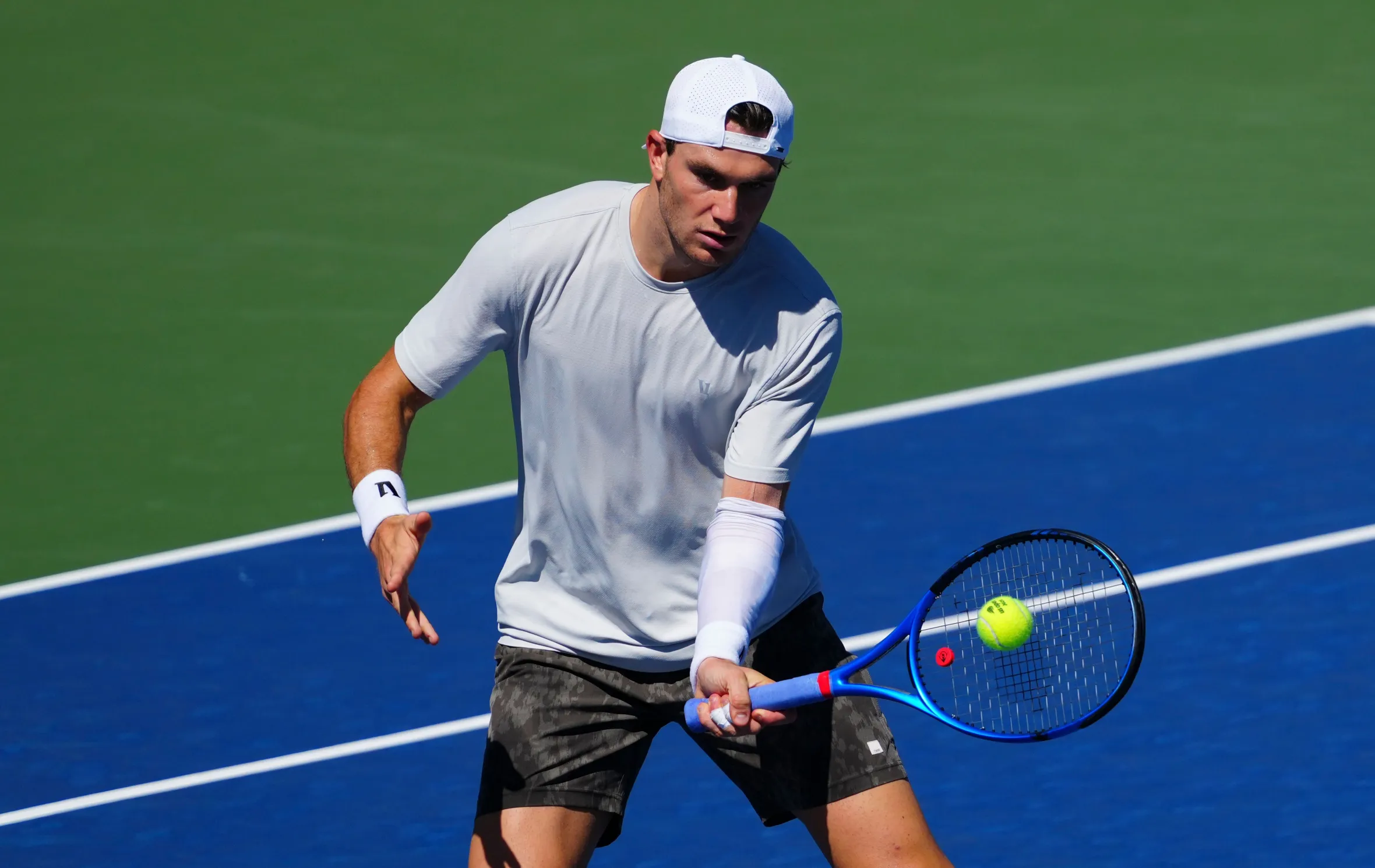 Samuel’s arm injury has parallels with that of Draper, with the pair having supported each other during their respective comebacksJavier Garcia/Shutterstock
Samuel defeated Radu Albot, the local hero and a former top-40 player, en route to the semi-finals and has hardly looked back since. He lost just five of his next 48 matches as his arm finally healed and ended the season with two Challenger and one Futures title — a 15-match winning streak Samuel has just replicated four months later.
“I feel like a completely different player,” he says. “The amount of matches I was able to win and not be in loads of pain, that was the biggest reward for me. I was just enjoying being able to travel and do what I love and that came out in the results. My confidence kept growing every week and, by the end of last year, I just felt like I couldn’t lose a match.
“My goal was to be in the top 300 in the world. Then it was grand-slam qualifying, and I think I’ve just done that, so the next big thing is the top 100 and the main draws of the slams. To say you’re in the top 100 is one of the coolest things as a tennis player.”