

 Mads Pedersen is a rare example of a rider with a ‘contract for life’, but there are plenty of other riders on the market this season, looking to impress during the Spring Classics. 📸 SWpix.
Hey Subscribers,
If you’re reading my transfer content regularly, you may already know some of what’s to come, but I wanted to put together an analysis story for those who are new to the Substack on how the Spring Classics shape the transfer market. I hope you’ll enjoy the story either way.
Later today, we’ll have a recon story with EF Education-Oatly, and then we’re off to the directors’ meeting ahead of Dwars door Vlaanderen. A few days ago I was also given an exclusive tour of the Soudal Quick-Step service course and an interview with team boss Jurgen Foré, so that’s coming up in the next few days too.
Daniel 🫶
Away from the chaos of cobbles and crashes, another race unfolds during cycling’s Spring Classics, and it’s one without race numbers or television cameras. From Opening Weekend to Liège-Bastogne-Liège, riders out of contract are effectively in the shop window, with just a handful of races to shape their futures.
Central to all of this are the rider agents who operate between teams and riders, listen to what general managers need for the following season, and, at the same time, represent their riders’ best interests in renewal negotiations or in finding a new squad for the upcoming season.
Follow me on: Twitter 🟢 — Instagram 🔴 — Bluesky 🔵
It’s a complex period in the transfer market. Teams are reluctant to overpay and rush into decisions, while riders use their race schedules and results to increase their value. Injury, illness, and the emergence of the ‘next big thing’ can all have an effect on proceedings, so while the majority of major names are already tied down on long-term deals that go well beyond 2027, the scene is still bustling with activity.
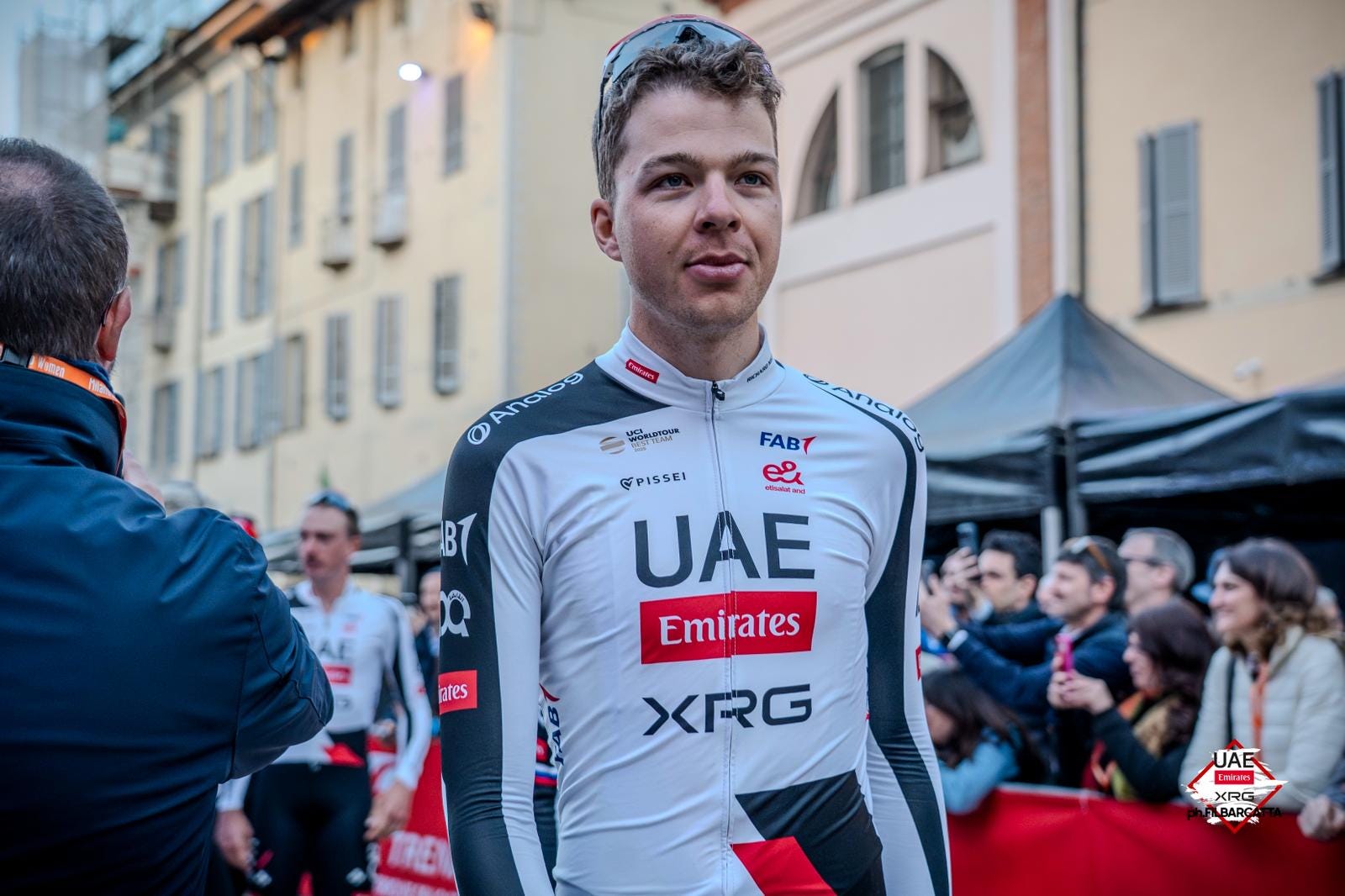 Florian Vermeersch is one of the high-profile riders on the market this spring.
Dries Smets is the vice-president of cycling at THE•TEAM agency. He represents the likes of Jasper Stuyven, Luke Plapp, Kim Le Court, Julian Alaphilippe, Lotte Kopecky, Florian Vermeersch, Tim Merlier and Cecilie Uttrup Ludwig. He has a busy few weeks ahead of him when it comes to securing futures for his Spring Classics stars, some of whom will be wanting to sign deals as soon as they’re proposed rather than once the Classics are out of the way – a decision he advises them on regularly.
“When it comes to that, signing earlier or waiting, it really depends. If it’s a rider who might get stressed by the idea of being out of contract then I might advise to sign and take their security, and then we’ll try and design a system in the contract that says if they do perform then their salary increases automatically but I would generally suggest that they wait because if you’re confident you can take your time then the Spring Classics can make a big difference. In just a few weeks, your value can potentially double just by the fact that you perform in the Classics,” Smets tells me during my trip to Belgium.
There’s always a risk in waiting. For example, if you’re a Spring Classics specialist on a two-year deal but had an off-year in 2025, then performing well in 2026 is more crucial than ever if you want to sustain your value and interest from teams.