
England’s Simpler Recycling scheme kicked off this week with new rules on four-bin collections, 37 banned items across six categories, and fines up to £400 for bin misuse
Nicola Roy Multimedia content creator and Grace Piercy
14:17, 01 Apr 2026Updated 14:56, 01 Apr 2026
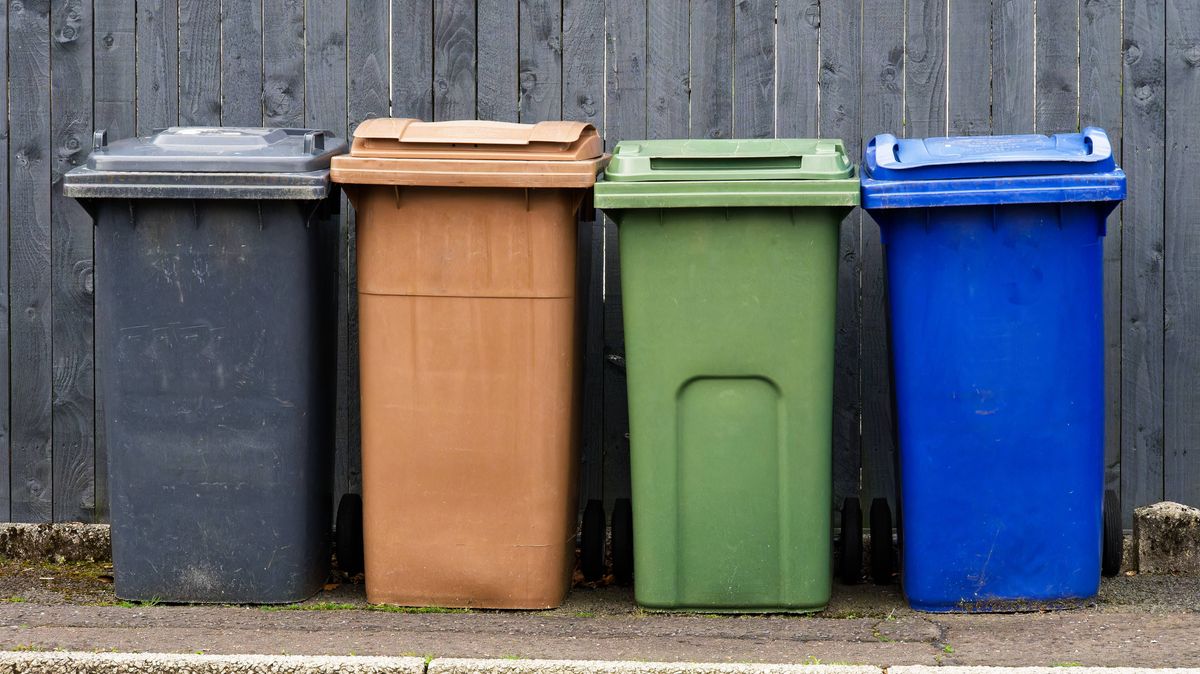
New bin rules are now in force(Image: richard johnson via Getty Images)
From this week, households are being instructed to stick to new rubbish regulations, including a list of items that can’t be tossed in your bins without risking a fine.
English households could now have as many as four bins and have been notified about six categories of items that aren’t recyclable.
Officials warn that misuse of bins could lead to hefty fines. Bin collectors will be tasked with separately collecting food and garden waste, paper and card, all other dry recyclables, and general rubbish. Any banned items discovered in recycling bins could result in a penalty of up to £400.
The Department for Environment, Food and Rural Affairs has outlined the Simpler Recycling scheme, saying: “We will make recycling easier: citizens will be able to recycle the same materials across England, whether at home, work or school, and will no longer need to check what is accepted for recycling in their local area. A universal standard will ensure that everything that can be collected for household recycling is collected in every region.
“Simpler Recycling will also end the ‘postcode lottery’ of bin collections in England, whereby councils collect different materials for recycling, causing confusion for households.”
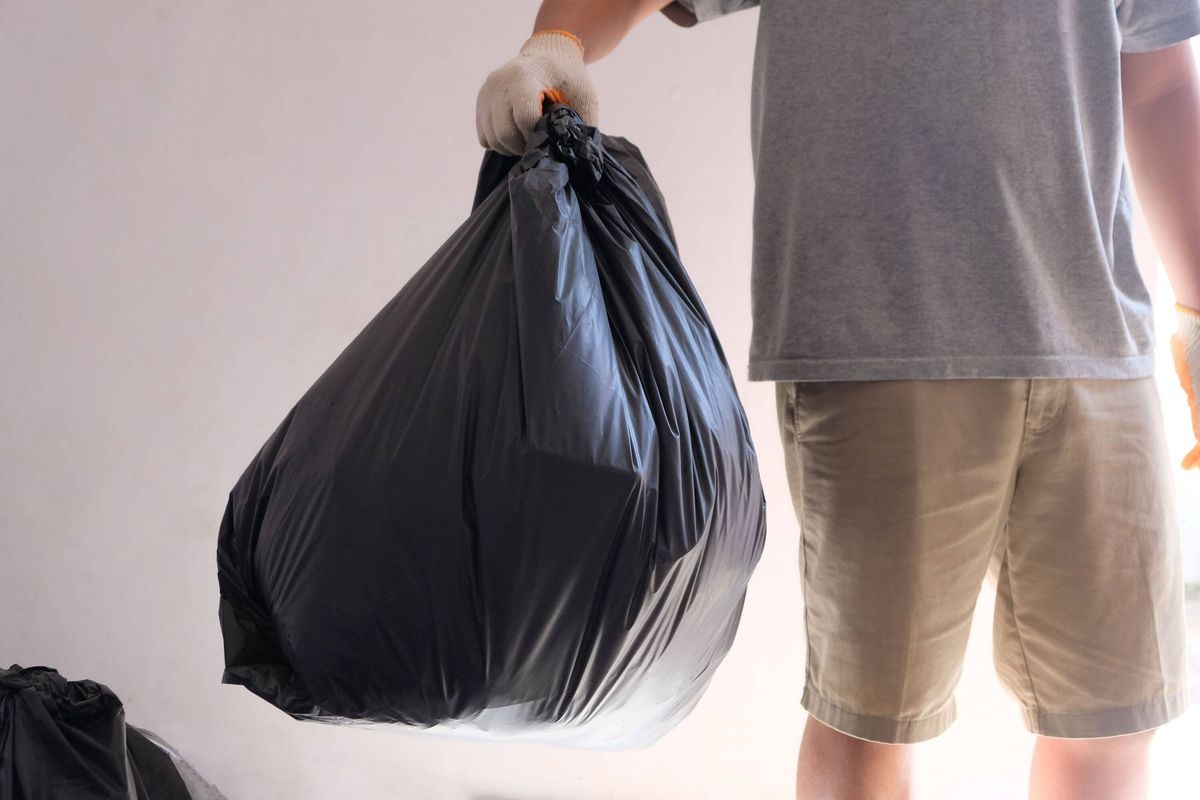
There are 37 items that can no longer go in the bin(Image: Getty)
In January, legal expert Gary Rycroft appeared on BBC Morning Live to discuss the change. He stressed the importance of recycling so “we don’t waste things”, before adding that the change is “a really good policy”, reports the Express.
The following items are now prohibited from these bins:
Glass
candlesdrinking glassesflat glassglass cookware (such as Pyrex)light bulbs and tubesmicrowave platesmirrorsvaseswindow glassceramics, such as crockery or earthenware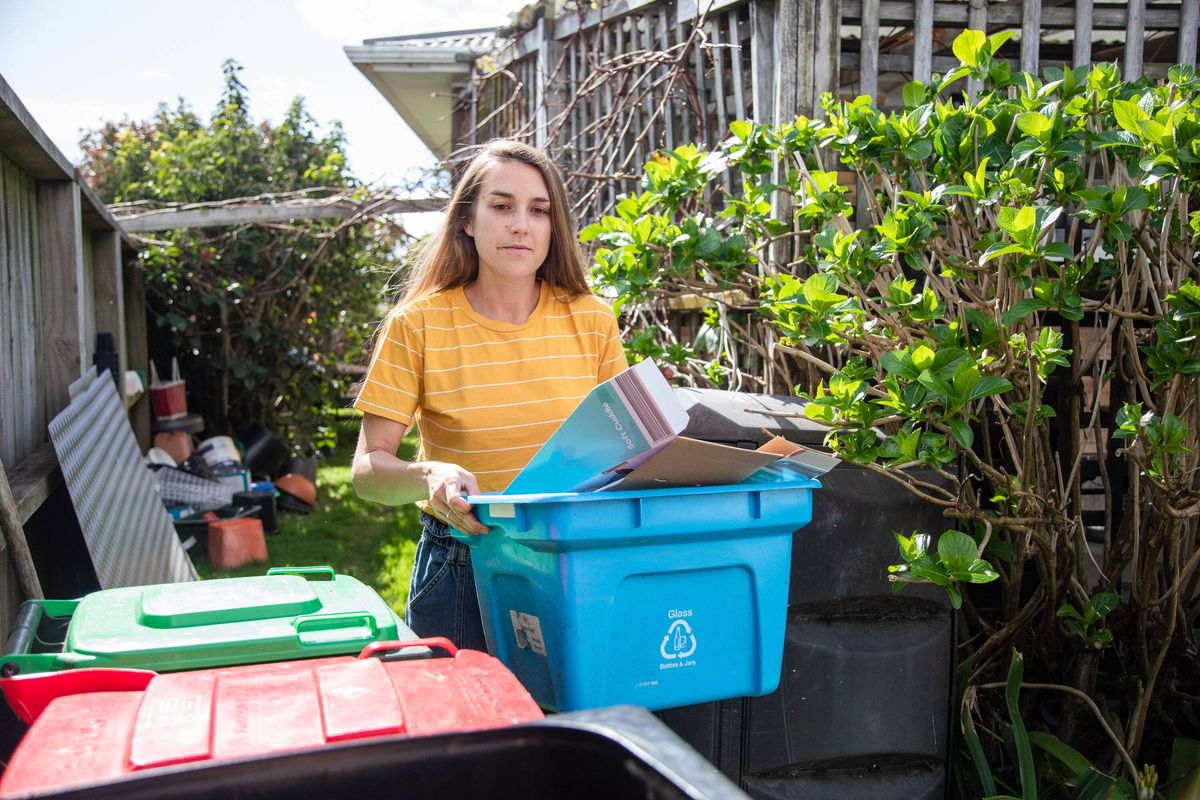
Rules around what you can put in the bin are changing(Image: Getty)
Metal
laminated foil, like pet food pouches and coffee poucheselectrical items and batteriesgeneral kitchenware like cutlery, pots and panskettlesironspipesmetal packaging that has contained white spirits, paints, engine oils or antifreeze
Plastic
plastic packaging or non-packaging items labelled ‘compostable’ or ‘biodegradable’plastic bottles that have contained white spirits, paints, engine oils or antifreezebulky rigid plastics such as garden furniture, bins and plastic toyspolystyrene (expanded and high impact) packaging, such as packing beadspolyvinyl chloride (PVC) packaging
Paper and card
food and drinks cartons made of a fibre-based composite (these should be collected in the plastic stream)absorbent hygiene products (AHPs), including nappies, period products and incontinence productscotton wool or makeup padstissue or toilet paperwet wipes
Food waste
You won’t be able to bin any plastic packaging or non-packaging items labelled as ‘compostable’ or ‘biodegradable’, including coffee pods. Food waste caddy liners used to hold food waste can be put in collections.
Garden waste
animal beddingbulky waste (including garden furniture and fencing)garden tools or other gardening equipmentplant potsplasticsandsawduststone, gravel or brickstea bags or coffee groundsbranches and trees over a certain size may have to be cut into smaller pieces to follow local guidance