
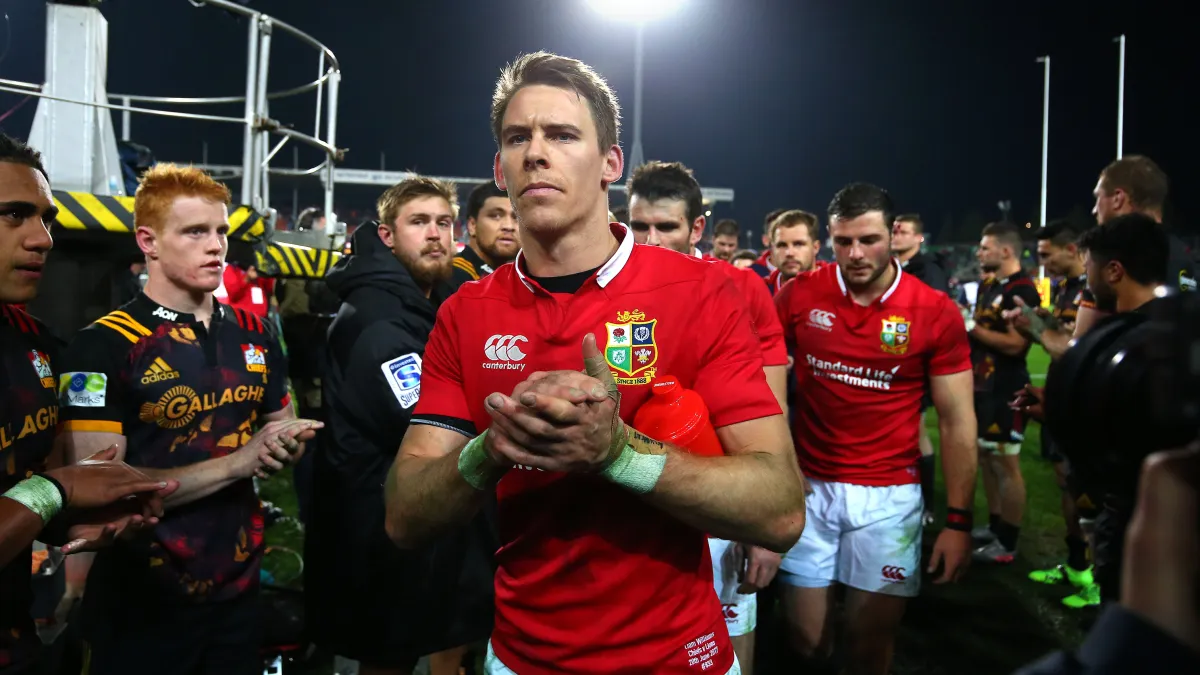
The odds on him playing in the match would have been long. On British & Irish Lions tours those who play the full 80 minutes in the midweek match just before the first Test can usually assume they are not in the running for the big one at the weekend.
But then Wales’ Liam Williams always did do things a little differently. In 2017 in New Zealand he played so well at full back against the Chiefs in Hamilton on the Tuesday that he was selected against the All Blacks on the Saturday in Auckland.
And it was there that, from his own 22, he sparked a try for Ireland’s Sean O’Brien — sidestepping Kieran Read, handing off Aaron Cruden and avoiding Sonny Bill Williams in making his way to the halfway line before passing — that was so good that it will for ever be etched into Lions history as one of their greatest.
Scotland’s Stuart Hogg, the Six Nations player of the tournament that year, would have been favourite to start that first Test at full back but was injured early in the tour. And next in line was Leigh Halfpenny, Warren Gatland’s safety valve at the back for Wales and the Lions as one of the finest defensive full backs the game has seen.
He had started all three Lions Tests at full back in Australia in 2013, as well as all of Wales’ Six Nations matches in the No15 jersey in 2017, with Williams on the wing, but now that battle between two of Wales’ finest ever back-three players took a distinctive turn as Gatland bravely took a punt on Williams at full back.
Halfpenny had a groin niggle but the Lions head coach later said he would have picked Williams anyway because of his performance against the Chiefs, despite misgivings about Williams’s hot-headedness and ill-discipline, with, for instance, a shoulder charge once having gifted South Africa a late, match-winning try against Wales in 2014.
Williams was probably lucky that Neil Jenkins, the Lions kicking coach, urged him not to hit the beers on that Tuesday night in Hamilton, because that match at Eden Park, even though the Lions lost 30-15, undoubtedly changed the course of his career, bringing worldwide recognition and acclaim. It was the first of five Lions Test caps, starting all three Tests in that memorably drawn series in 2017, and another in South Africa four years later, as well as coming off the bench in a Test on that trip too.
He won 93 caps for Wales and, having announced his international retirement in January, the 34-year-old finally succumbed to a knee injury last week and brought down the curtain on his career entirely, finishing it at Newcastle Red Bulls after spells at Saracens, the Japanese side Kubota Spears, Cardiff and where it all began, Scarlets.
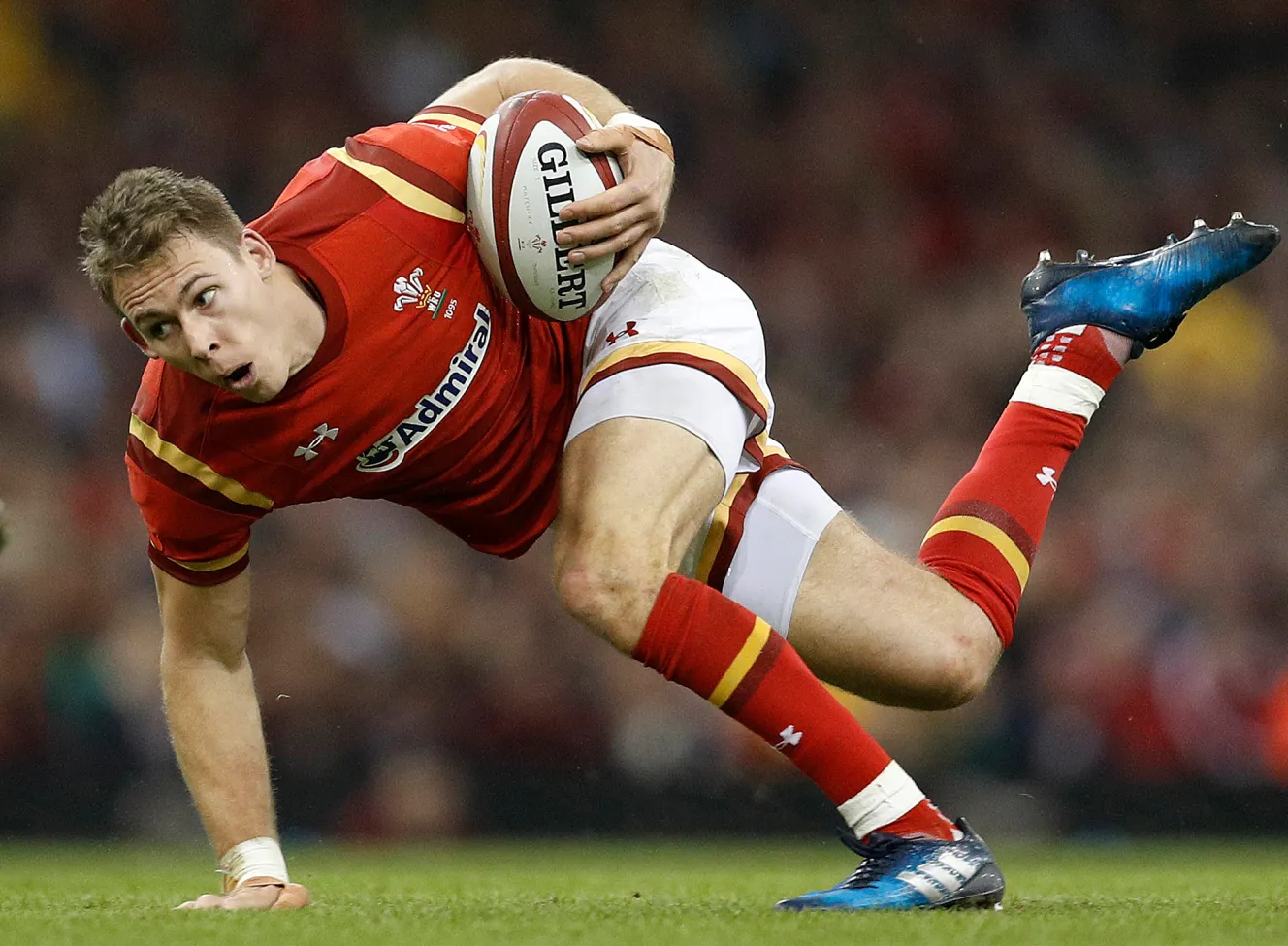 Williams earned 93 caps for WalesDarren Staples/reuters
A character and an entertainer has left the game. During an emotional interview to announce his retirement Williams was asked how he thought he would be remembered, and he replied with “as a scaffolder”. For that is what he once was. His route to the top did not start in an academy, because the talent scouts at his home region, Ospreys, did not like the look of the tall, scraggly-haired, skinny, bow-legged player called “Sanjay” on account of a resemblance to a character in EastEnders.
So, while playing for his beloved Waunarlwydd, a village just outside Swansea, and, having left school at 16, Williams became an apprentice scaffolder at Port Talbot steelworks until a chance call to play for Llanelli’s semi-professional side eventually ended in a Scarlets debut in the autumn of 2011. By the following summer he had been capped by Wales as a 21-year-old.
“He has come a long, long way, but Liam has always been true to his roots,” said the former Scarlets, Wales and Lions colleague Jonathan Davies, who received the pass from Williams in that O’Brien try, on the BBC’s Scrum V last week. The stories about Williams’s mischievousness are legion, with Davies saying: “He was always sharp in his banter and would take lots of time doing gags for social media. He’d hide in a laundry basket for an hour just to get one reaction, and there were the videos of him scaring [Scarlets and Wales scrum half] Gareth Davies.”
Williams found his early interactions with the media difficult. He has a speech impediment and would feel uncomfortable in front of a large group of assembled hacks, preferring to do an interview with one trusted journalist who could then report back to the group.
But he sought help from a speech therapist and, though sometimes he would ask: “Why are there so many here?” he became confident enough to reveal his engaging humour at press conferences.
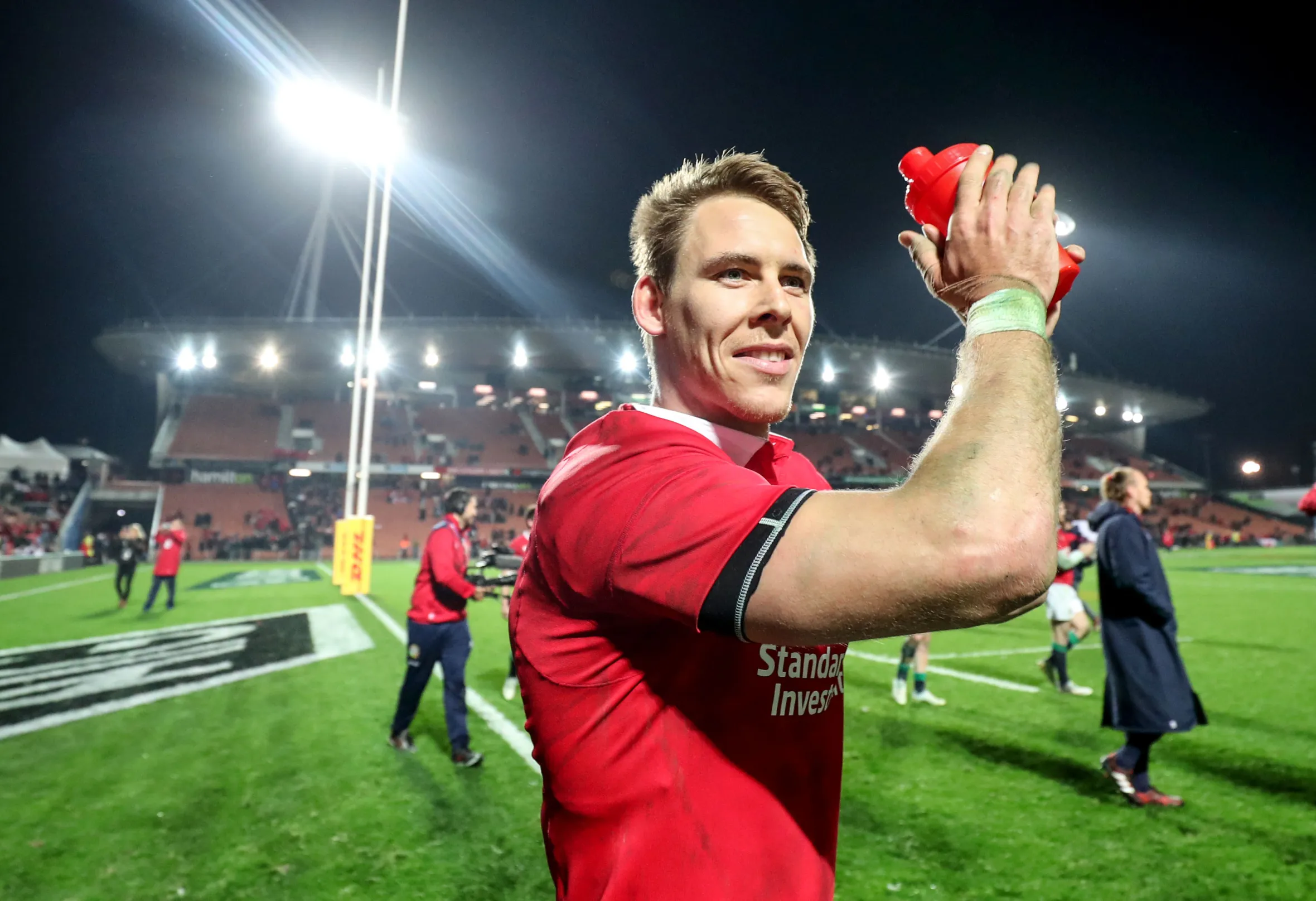 Cuthbert said battles with Williams were like “tackling a bag of spanners”Dan Sheridan/Inpho/Shutterstock
On the field Williams was aggressive, skilful and brave. As the Wales and Lions fly half Dan Biggar said: “The biggest compliment I can give you is that I’d want you alongside me going into battle. Gave everything every time you pulled on the jersey.”
He was among the most awkward of opponents. As the former Cardiff and Wales flanker Ellis Jenkins said: “He is obviously not the biggest of blokes but when he hits you it hurts, it’s all sharp bits and bones.” Or, as the former Wales and Lions wing Alex Cuthbert put it: “Like tackling a bag of spanners.”
Williams was superb under the high ball, the self-professed “professional bomb defuser”, as his X account still maintains, with his courage having long been tested and proven on the scaffolds.
“I would be over the top of a blast furnace, 300 feet from the ground and looking down,” he said. “It came with the job. The way I am means I am never afraid to go up for a high ball; if I am going to get hurt it does not matter, taking a catch or making a tackle is about helping the team. I don’t know if it is reckless; it’s just me.”
It was certainly successful whatever it was. His medal cabinet is brimful. He won the Pro12 with Scarlets, and the Premiership and Champions Cup with Saracens. He won two Six Nations titles with Wales, including a grand slam.
His equally fearless namesake, JPR, is widely and understandably regarded as Wales’ finest full back, and possibly the Lions’ too, but it is no exaggeration to mention Liam’s name in the same breath. He was that good.