
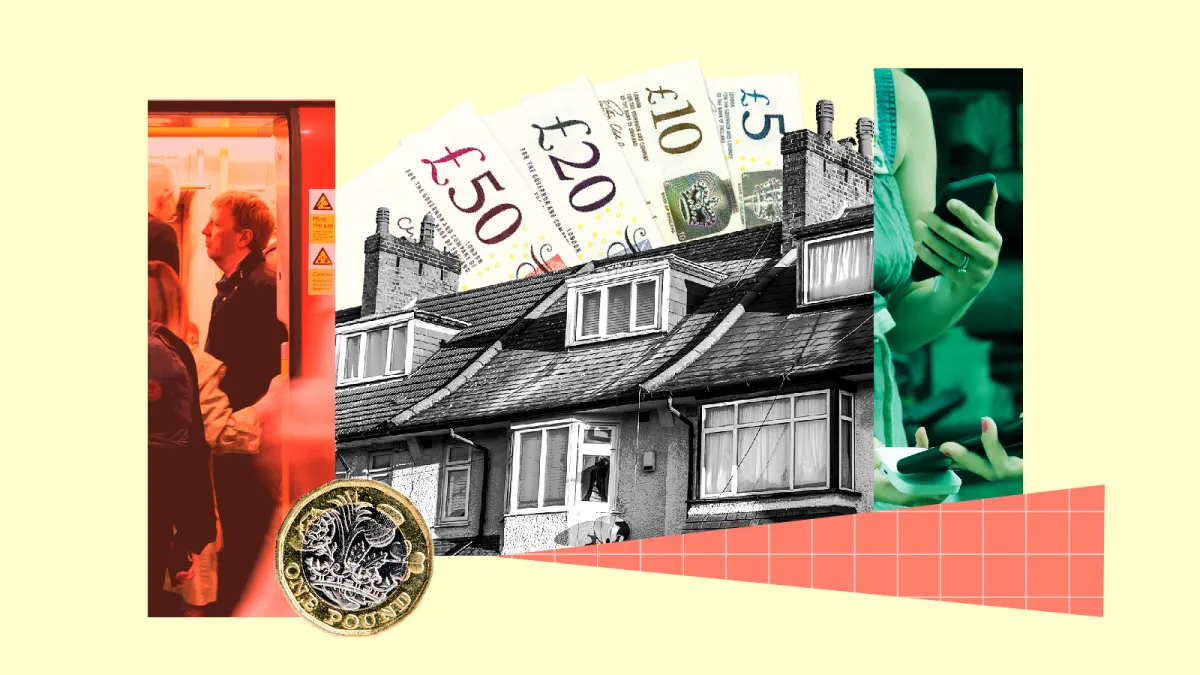
April is always a brutal month for household finances as utility companies, councils and phone providers hike their bills. This year is no different and essential household bills will rise by £216 from Wednesday, according to Uswitch.
“Awful April” will not be universally bad this year. The start of the month also brings with it an increase in income for pensioners, parents and MPs, and freezes on prescription fees and train fares will leave most with a bit more cash in their pockets.
However, these small wins come against the backdrop of the war against Iran, which has caused petrol prices to rise by 20 per cent in the past month, and the average energy bill is expected to rise by nearly £288 in the summer.
This will push up inflation and, probably, the Bank of England base rate. The prospect of base rate rises has prompted banks to hike up savings rates in recent weeks, and a rising gilt rate could be beneficial for pensioners taking out annuities.
So, where else may households feel a little bit better off? The Times takes a look at the winners and losers.
Winners
Welfare claimants and low earners
The two-child benefit cap will be scrapped from Monday in a change expected to help 570,000 low-income households by 2030-31.
Most other benefits, such as universal credit, rose by 3.8 per cent this week and the national minimum wage for those aged over 21 will rise by 4.1 per cent, to £12.71 an hour.
Nearly seven million families will get an increase in the amount they receive in child benefit. Parents are now set to receive £1,406 a year for their eldest child, up by £52 from 2025-26. They will get £930.80 a year for each additional child, up £33.80 compared with last year.
Pensioners
The state pension increases by 4.8 per cent this week. This means that over-66s on the full new state pension will have a rise in their weekly payment from £230.25 to £241.30. Those on the basic state pension will rise from £176.45 to £184.90.
 Getty IMAGES
Although the conflict with Iran has dented many workers with defined contribution pots invested in the stock market, those looking to take out annuities may get increases.
Annuities require retired people to pay a lump sum to an insurance company in exchange for a regular income stream for a set period or for the rest of their lives. They payments tend to rise in line with government bonds (gilts), which have surged since the Iran war began.
The data company MoneyFacts has said that the average annual annuity income rose from £3,498 to £3,558 in the year to March.
Savers
Saving rates have improved since the war began. Anna Bowes from the Private Office, a financial planning company, said: “The conflict in the Middle East means that, rather than a base rate cut, which we were anticipating, it’s more likely that there will be an increase, perhaps even more than one. Banks are anticipating this, which means we have seen a lot of increases in fixed-term products in particular.”
The company’s analysis shows that the best rate on a one-year fixed rate is now 4.51 per cent, from Kent Reliance. Te day before the war started, it was Union Bank of India’s at 4.23 per cent.
The end of March and start of April is also “Isa season”, when banks battle it out to secure new customers or those looking to use up their £20,000 limit. The best easy access cash Isa rate available to all savers is currently Prosper at 4.7 per cent, according to the Private Office, and Plum is the second best at 4.57 per cent.
Workers — but not their employers
From Monday, workers will benefit from statutory sick pay from day one of their employment. Employees also no longer have to take three days off as “waiting days” before becoming eligible for sick pay. This means short absences of one to three days are also eligible for sick pay. Everyone will now be eligible, regardless of their earnings.
The changes are likely to cause headaches for their employers. Working out sick pay for seasonal workers, those on zero-hour contracts and those with irregular hours may be difficult. Employers will have to pay either 80 per cent of their weekly earnings or a base rate of £123.25 a week, whichever is higher.
Anyone with a prescription
The chancellor has also frozen charges on NHS prescriptions for the second year running, keeping the cost at £9.90.
Only 11 per cent of people pay for their prescriptions and pensioners, full-time students and people on benefits are exempt. The freeze will still save each patient about 60p per prescription against what the rate would now be if it had risen by the same amount annually as it did in 2024.
Commuters
For the first time in 30 years, the government has frozen rail fares for 12 months. Price rises are usually calculated by adding a percentage point to July’s inflation reading on the retail prices index (RPI), which would have meant an increase of 5.8 per cent.
Introduced in March, this change means that the average annual season ticket from Reading to London, which costs about £5,347 according to National Rail, would cost £5,657 without the freeze, a difference of £310.
 shomos uddin/Getty images
MPs
MPs will have a 5 per cent pay rise, to £98,599, to help cushion the cost of living.
Richard Lloyd, chairman of the Independent Parliamentary Standards Authority (Ipsa), which is responsible for the rise, said MPs had to deal with “higher levels of complex casework, abuse and intimidation”. Ipsa is aiming to pay MPs about £110,000 a year by the end of this parliament.
Losers
Mortgage borrowers
The conflict in Iran has been particularly brutal for those looking to buy or remortgage after 1,500 deals were pulled from the market in March.
Banks and building societies have increased rates and the average two-year fixed deal is now 5.84 per cent, up from 4.83 per cent at the beginning of March, according to MoneyFacts. This has been particularly hard for first-time buyers and 21 per cent are now being forced to take rates above 5 per cent, according to the estate agent Hamptons, compared with 8 per cent before the war.
Drivers
Standard road tax for petrol, diesel and hybrid cars will rise by £5 to £200 this year, but it is at the pump that drivers will feel it most.
 Lucy North/PA
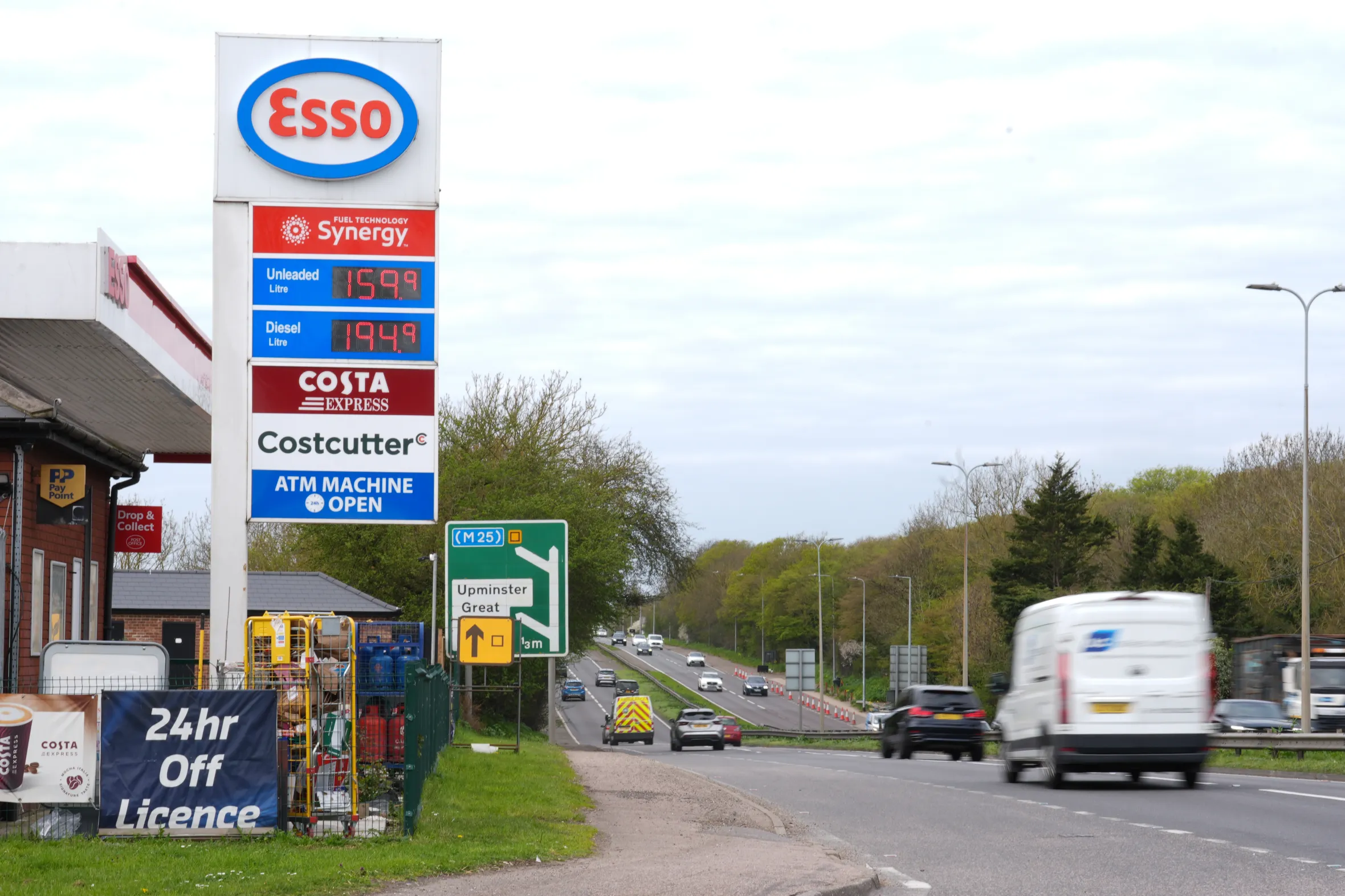
With the closure of the Strait of Hormuz, a litre of petrol has risen from £1.33 before the war to nearly £1.53 on Wednesday. Diesel is now at £1.83, up from £1.42, another record monthly leap.
Billpayers
As happens every April, utility and telecoms providers have brought in their yearly price increases. The average water bill will go up by 5.4 per cent this year, adding £33 to the average annual bill, which will rise from £606 to £639, according to Water UK. This rise is well down on last year, when the average water bill rose by 26 per cent.
The average mobile customer will pay an extra £27.60 a year on their phone contract, and broadband for the year will cost an additional £39.60 a year on average, according to USwitch, a price comparison website.
Council tax is also going up for most people. Of 384 authorities in England, 274 are applying the maximum 5 per cent charge. Fifty are close to it and only 21 made no change or decreased rates. This means the average band D household in England will now pay £2,392 to their local authority each year, an increase of £111.
Residents in Wales will also be hit by an average 4.9 per cent increase, adding £113 to the average bill, and Scottish council rates will rise between 4 and 10 per cent.