
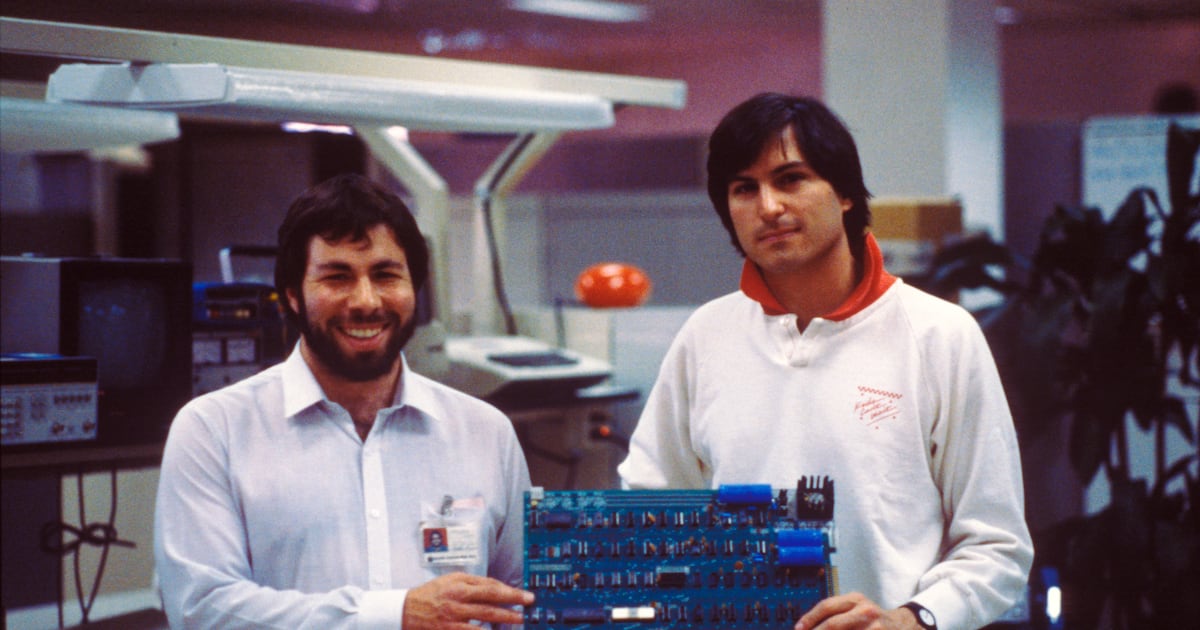
Every tech founder likes to think they have a lasting story. But in the case of Steve Jobs, Steve Wozniak and Ronald Wayne, they did.
When the trio founded Apple Computer on April 1st, 1976 – later renamed simply Apple – they had one goal: to personalise computing, making it simple, seamless and designed for everyone. Between them, they were responsible for developing some of the most significant innovations in the personal technology market.
But like most tech companies, Apple came from humble beginnings. It was founded in Jobs’s parents’ garage in Los Altos, California. The first product, the Apple I, came out in July 1976. It was a circuitboard computer aimed at hobbyists, costing $666.66.
Four years and some product development later, the company opened its doors at its first overseas operation, located in Hollyhill, Co Cork. From a handful of people, it has grown to employ more than 6,000 today. In February, the company officially opened its newest building in Hollyhill, HH5, giving it more space to expand in the future.
Today, Apple is valued at more than $3 trillion (€2.58 trillion). Over the years, it has made a name for itself as a tech company that thinks differently. It may not be the first to launch a product, but its interpretation of the products have – mostly – hit the right notes with consumers.
“Thinking different has always been at the heart of Apple,” said Tim Cook, the company’s chief executive.
[ The Irish Times view on Apple at 50: from small seed to mighty empireOpens in new window ]
“It’s what has driven us to create products that empower people to express themselves, to connect and to create something wonderful. As we celebrate 50 years, we are deeply grateful to everyone who has been part of this journey and who continues to inspire what comes next.”
But what real impact has Apple had on the tech world in the past 50 years? Here are some of the products and innovations that have made an impact over the past half-century – and a few Apple would like to forget.
The hits1970s: The Apple II 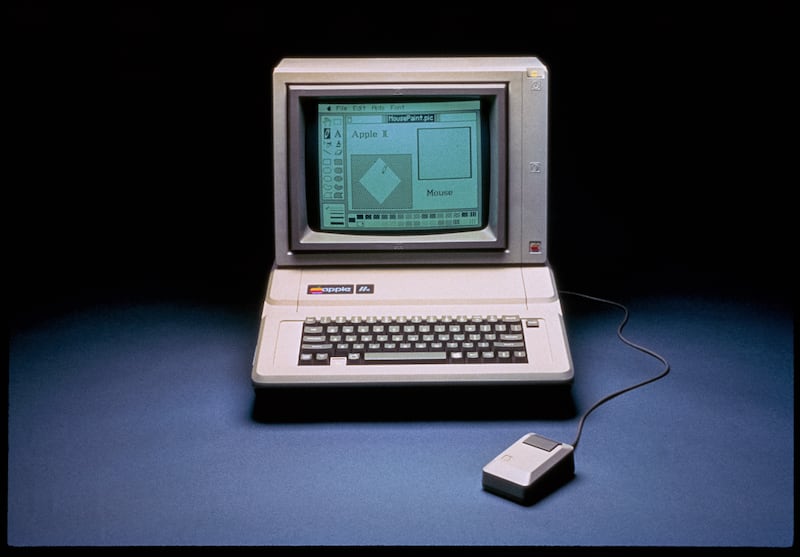 The Apple II.
The Apple I was made for hobbyists who liked to tinker. Its successor, the Apple II, was intended to appeal to a wider audience. Introduced in 1977, the tech firm pitched it at home users, schools and small businesses.
Unlike the Apple I, it came fully assembled, with a built-in keyboard, making it much more accessible to regular consumers. It even had colour graphics.
It is credited as one of the devices that helped kick-start the home-computer revolution. It continued to sell well, even after the launch of the Macintosh.
1980s: The Macintosh 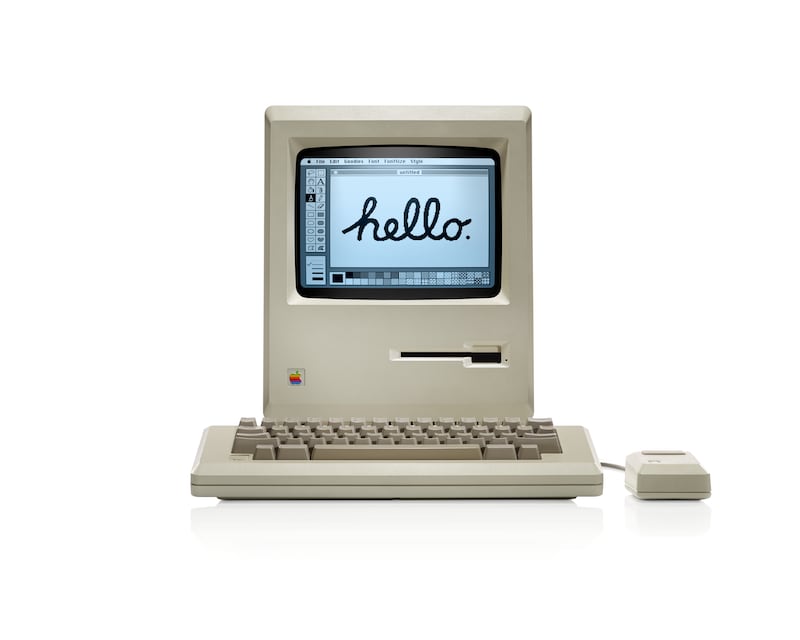 The Macintosh.
With the Apple III considered a flop, Apple needed a success. It found it in the form of the Macintosh. The 1984 launch of the computer was accompanied by a big-budget TV ad, directed by Ridley Scott, alluding to breaking the control of “Big Brother”.
The Macintosh turned out to be a big deal for the company. Not only was it cheap enough to appeal to home-computer enthusiasts, but it featured Apple’s new graphical user interface, so there was no code to learn.
It also introduced the simplicity of the “point and click” mouse control.
1990s: The iMac 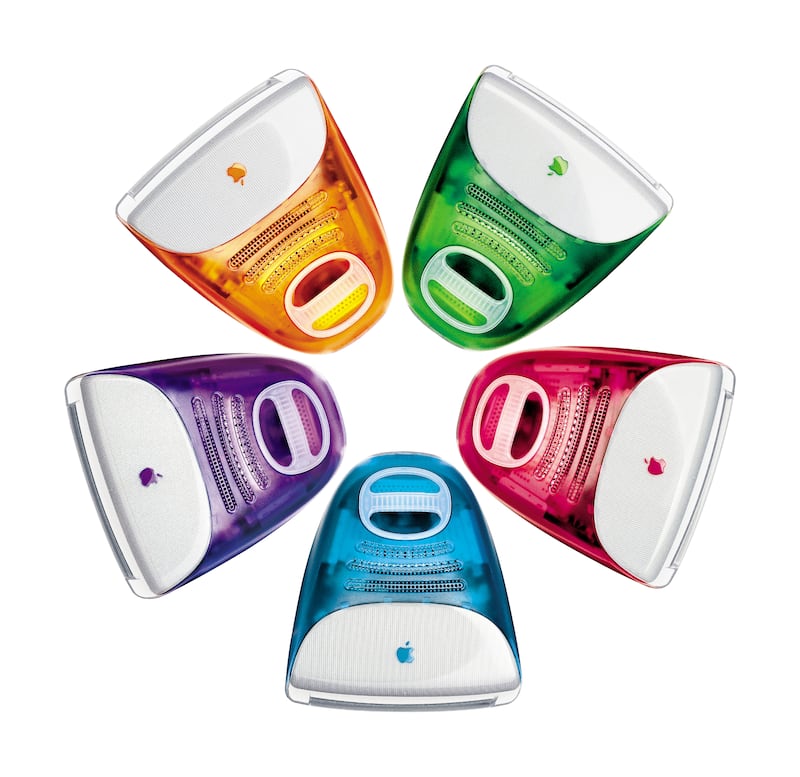 The iMac.
Remember when computers were just beige or black boxes?
The iMac took that stereotype and exploded it into jewel-coloured oblivion with its 1998 launch.
Colourful and easy to use, the iMac ditched the floppy disc drive and made it easy for users to get online. After the near-bankruptcy of 1997, the iMac is credited as the product that began Apple’s turnaround.
The 2000s: the iPod
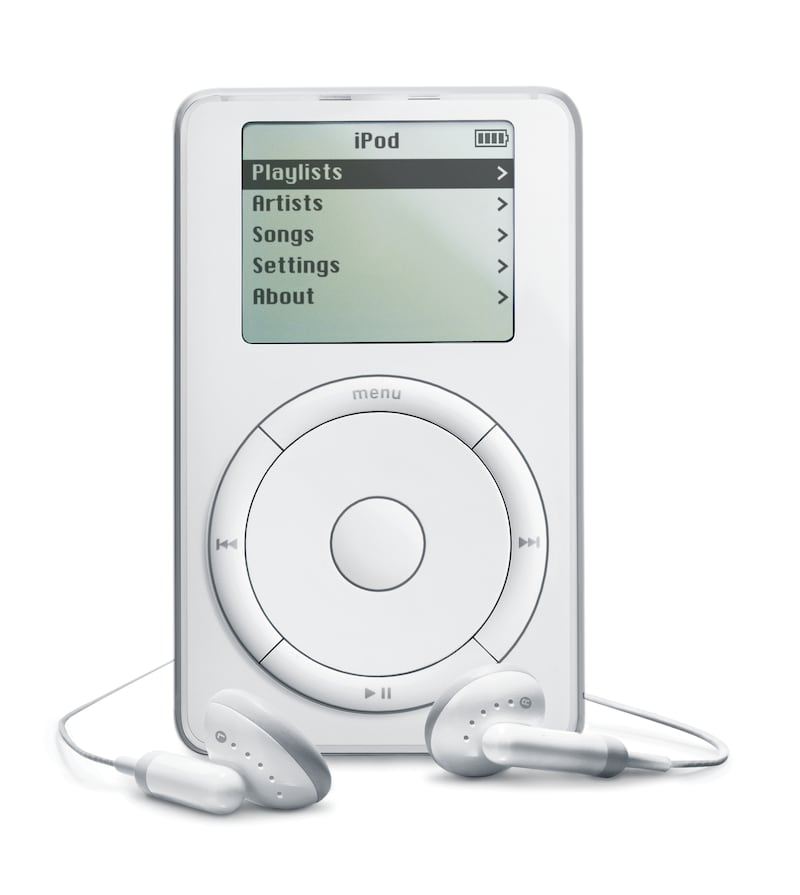 The iPod.
Apple wasn’t the first to launch a digital music player, but it did make the most easily recognisable one. The iPod launched at the end of 2001, promising 1,000 songs in your pocket thanks to its 5GB hard drive.
It had a mechanical-scroll wheel, with a central select button to navigate through the device’s music library. The beauty of the iPod was the ease with which people could get music on to it.
It worked seamlessly with the iTunes software for Macs that Apple had launched the same year, making it easy for people to transfer their music collection to the digital player.
In 2003, Apple launched the iTunes Store, which sold songs for as little as 99 cent. It developed iTunes software for Windows later that year.
The iPhone 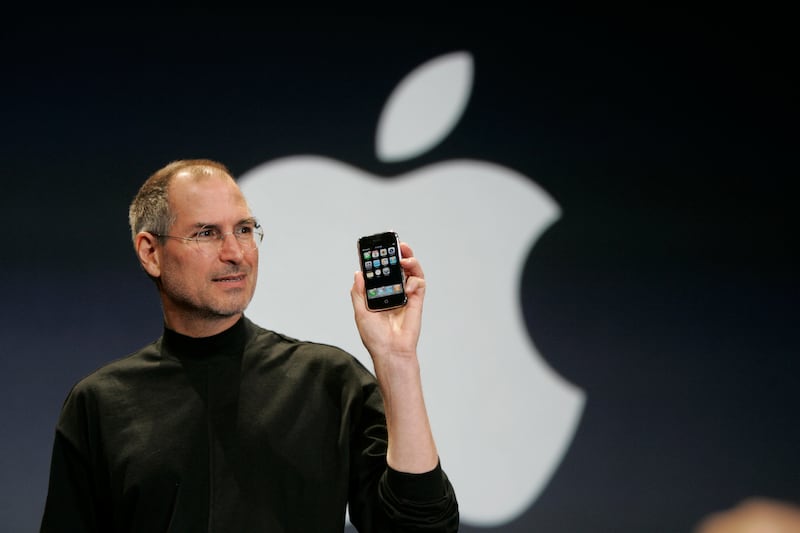 Steve Jobs unveiled the first iPhone on January 9th, 2007.
After a less-than-stellar experience with the Motorola Rokr phone, Apple focused on developing its own music phone, one that it had control over from start to finish.
The iPhone was unveiled in January 2007. While ambitions were initially modest, the iPhone caught on with the public.
Things could have been very different, though, if Jobs hadn’t relented on one key aspect: control over the software.
The iPhone was initially intended to support web apps – and only ones that Apple developed. But shortly after its launch, people began cracking the software to load their own apps on to the iPhone. Following on from this, the plan for the App Store and a software developer kit was hatched.
That was launched in 2008 and helped the iPhone become the smartphone everyone wanted.
The 2010s: The iPad
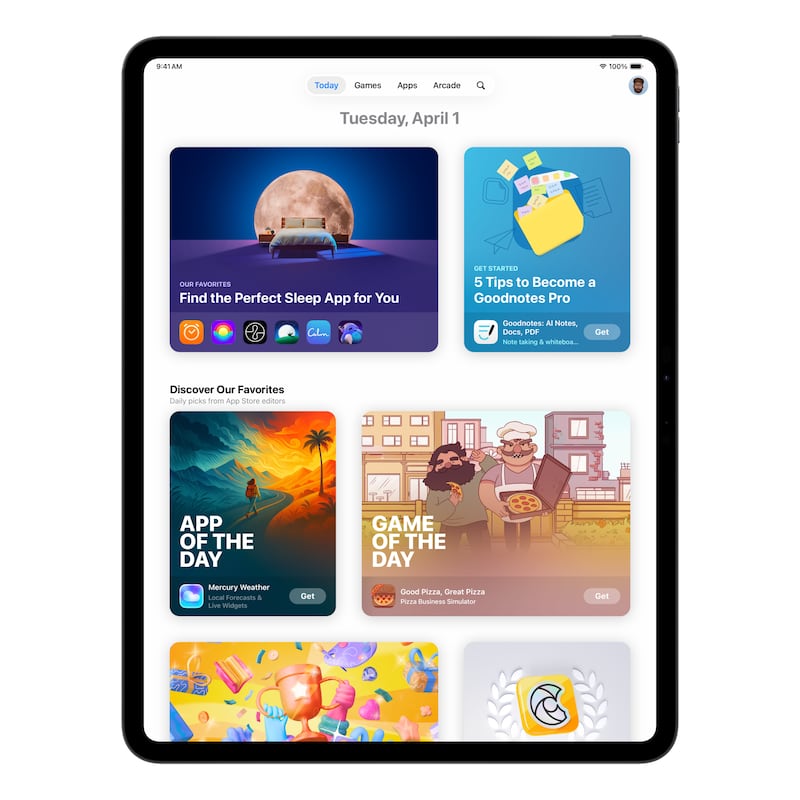 The iPad.
After remaking the smartphone category in its own image, Apple turned back to one of Jobs’s original ideas: a tablet.
Launched in 2010 to usher in the “post-PC era”, the iPad quickly carved out its own niche. It survived the initial mixed reaction that dismissed it for various reasons, with some labelling it a large iPod, others saying it wasn’t as good as a Netbook and questions asked of its fundamental purpose. The second generation brought better features, including a camera that was absent from the original iPad.
Sixteen years on, the iPad is still going strong.
The Misses
The Apple III
Aka, the one we don’t really talk about. When the Apple III was in development, Jobs had a vision. It involved a design without a fan, which was supposed to make the device silent and more elegant. In practice, the lack of cooling meant components expanded and popped out of place.
According to Wozniak, the early units of the Apple III had a 100 per cent hardware failure rate, leading to a recall of 14,000 units.
The Lisa
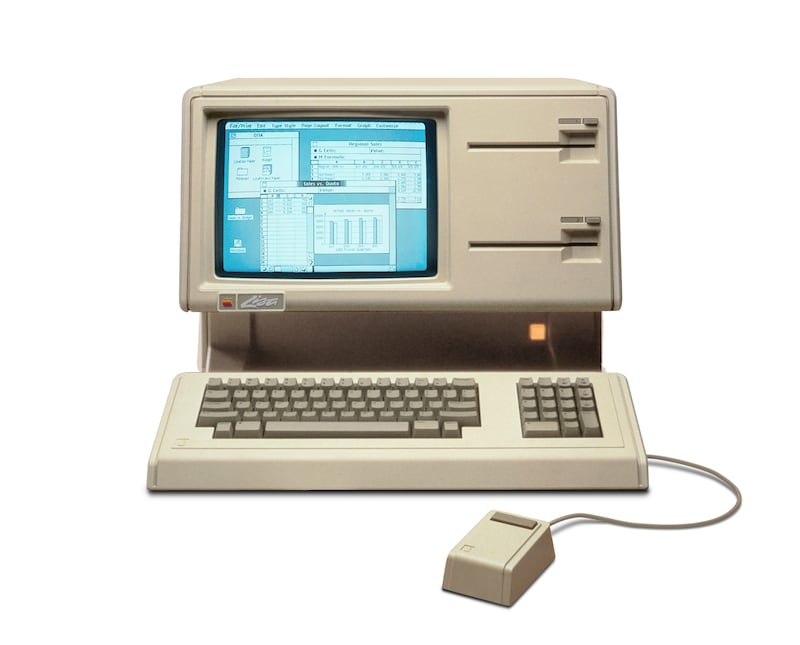 The Lisa.
Special mention goes to the Lisa, which was another Apple product consigned to the dustbin. It had big ambitions, also using a graphical user interface and mouse. But it had an equally big price tag – nearly $10,000 when it came out in 1983. That’s equivalent to about $32,000 (€27,560) today. That compared badly to IBM’s cheaper PCs.
The Lisa was beyond the financial reach of many businesses and eventually it was overtaken by the Macintosh. Thousands of units ended up in landfill.
The Newton 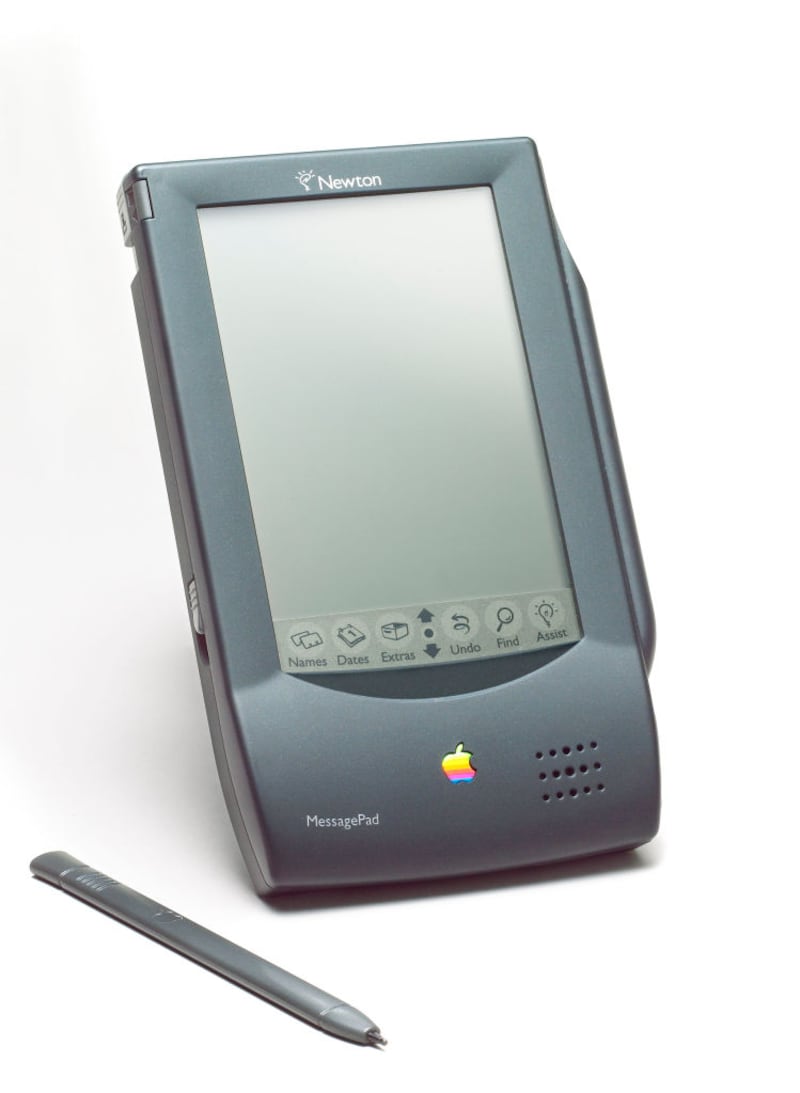 The Newton.
A product that predated Jobs’ 1997 return to head up Apple, the Newton had a troubled run.
Shipments were held up by delays blamed on software bugs, but things didn’t improve when it finally shipped.
In theory, the PDA (personal digital assistant) was supposed to make note-taking as easy as writing on paper. In reality, the handwriting recognition was poor. Despite improvements in later releases, it never really recovered. Jobs discontinued it in 1998.
The Motorola Rokr E1
The partnership with Motorola was meant to showcase an iTunes phone. But the Rokr E1, with its 100-song limit and problematic software, didn’t quite live up to expectations.
Even Jobs couldn’t work up much enthusiasm for the product at the 2005 launch, with an onstage demonstration of one of its key features – the ability to switch from music to a call and then back again – failing.
Still, it was a learning experience for Jobs and Apple. While Motorola went on to develop the Rokr E2 without Apple’s input, Apple went on to release the iPhone two years later.
The Vision Pro 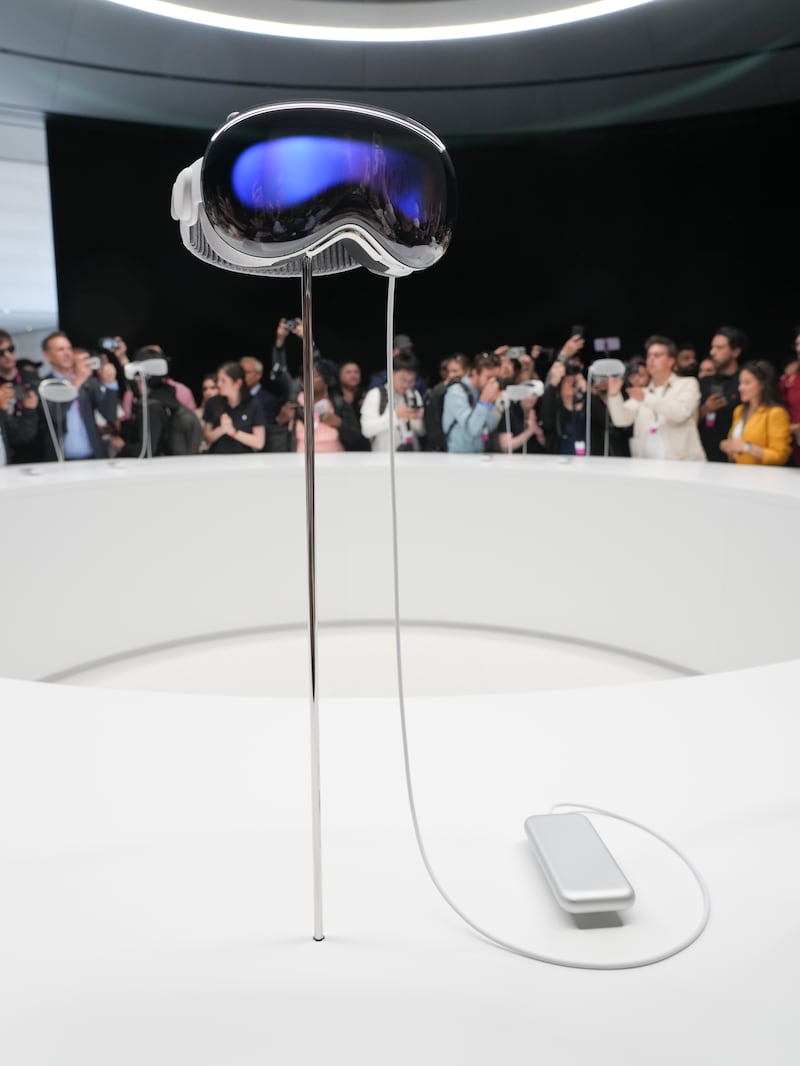 The Vision Pro.
Is it fair to call the Vision Pro a miss? Apple’s move into spatial computing generated a lot of excitement, but the high price tag dampened it somewhat.
There have been complaints that the device is too heavy to wear and there is a lack of compelling apps to persuade people to buy it. Add in the Vision Pro’s more limited release – officially, you can’t buy it in the Republic of Ireland – and you can see why there may be rumblings about the device.
Still, a bit of refinement – and a price cut – might be just what the Vision Pro needs to jump-start sales. That and a few more killer apps.