
Spring is springing, lambs skipping, flowers blooming – yet millions of UK households are plunged into gloom today, thanks to April’s Arm-and-a-leg-mageddon of spiralling bills. The yearly cost of basics, including council tax, broadband and water bills, is shooting up by more than £200 on average. And that’s before we factor in the enormous leap in fuel and energy prices threatened by America’s war with Iran.
I live in a remote, rural area where we can’t get a smart meter installed and we are entirely reliant on the gas tank for heating. (You might think heating isn’t necessary now it’s spring, but given the insane weather Britain’s been subjected to in March, who knows what hail and snow April might bring?) In short, our belts are now so tight we can barely breathe.
Luckily, I am a veteran of bill-shaving and bargain-hunting. Twenty years ago, I’d got into £30,000 of debt and was forced to sell my home, a five-bed Victorian semi in a lovely suburb of Manchester. As a self-employed writer, I’d made the mistake of not saving enough to pay my tax bill and relied on credit cards to get by when times were tough.
When HMRC suddenly called in the full debt, I had the choice of going bankrupt or selling up, and I chose the latter. But in order to pay off the credit cards and the giant overdraft I’d accumulated, I took several other steps – ones I’ll be retreading as we head into Awful April.
1. Pay off debts
How are we supposed to do that when we can barely afford to function? The secret is to pay one off entirely while simply servicing the others. Focus all your efforts on the smallest debt you have and if possible overpay until it’s gone, which will save you interest. Then move on to the second smallest, and so on.
You can also consolidate your debts and pay them off with a loan, which means only one set of interest and no more threatening letters. The debt charity stepchange.org can help you organise your bills and ease the panic considerably.

Focus all your efforts on the smallest debt you have and if possible overpay until it’s gone, which will save you interest. Then move on to the second smallest, and so on
2. Sell everything
I have a habit of giving all my de-cluttered clothes and books to charity, but I’m missing out on a potential fortune. Yes, it can be a fiddly process to sell on eBay or Vinted, but you can ‘bundle’ items together and sell them as a full box of clothes, or crockery. You may earn a little less, but it’s a major time-saver. If you do have the time, it’s worth paying extra to ‘boost’ your offerings, so more people will see them.
Don’t forget Facebook Marketplace and local selling groups for furniture and household items, and if you do have any collectible vintage albums, china or books, it’s worth researching online selling forums. Re-selling is also an option, though you’ll need to thoroughly research the items you buy from car boots and charity shops to price them accurately.
3. Embrace charity shops
Now given a cool rebrand as ‘thrifting’, back when I was young, ‘did you get dressed in a charity shop?’ was an insult. Not one I took to heart, however. I’d always enjoyed a rummage, but I stopped buying new clothes altogether, and relied entirely on my local charity shops for my outfits. I still do, and have a wardrobe full of cashmere and designer shoes, thanks to my love of a bargain hunt.
Charity shops are great for books, kids’ clothes, jewellery and crockery, and if you’re willing to invest the time, you can find amazing women’s clothes too. But be warned – men’s clothes are generally useless, as men hold on to their jeans and jumpers until they’re shredding into rags.
4. Swap supermarkets
Loyalty cards are good, but nothing beats a super-cheap supermarket. I admit, I once turned my nose up at Farmfoods and Iceland – but frozen food works out a great deal cheaper than fresh, even if you factor in the electricity needed to preserve it. I buy my tins, teabags, condiments and frozen fish and veg at Farmfoods now, and am also amazed by its stock of healthy nuts, seeds, tinned beans and pulses and even boxes of medjool dates. It’s the middle-class shopper’s secret.
Other bargain stores such as B&M and Home Bargains sell reduced fresh and packaged food too, and the satisfaction of saving up to £30 per shop really does beat the joy of Waitrose.
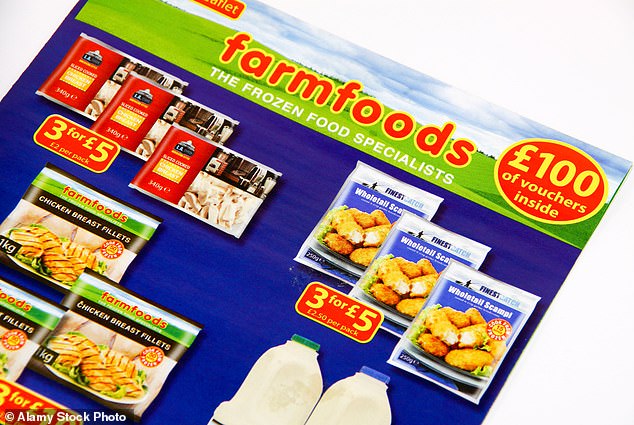
I buy my tins, teabags, condiments and frozen fish and veg at Farmfoods now, and am also amazed by its stock of healthy nuts, seeds, tinned beans and pulses, writes Flic Everett
5. Start a side hustle
I used to read tarot cards at university. When I needed a bit of extra money to cover the bills, I set up a Facebook page offering online tarot readings and promoted it on my social media accounts. I had many enquiries and earned well over £1,000. The downside was, it involved long hours on top of my day job.
If you need extra cash, however, think about the existing skills you have and whether you can leverage them to sell or teach online. Selling jewellery on Etsy, crafting, baking cakes for birthdays (though you’ll need Council approval of your baking premises) or DJ-ing at weekend parties can all bring in enough to pay the bills.
6. Cut out holidays and restaurants
It sounds obvious, but I know plenty of middle-class families who would die on the hill of taking a sunny holiday every year. They may need to wise up, though, because travel costs are set to rise again and the average family will struggle to afford that all-inclusive break that was once so reasonable.

Every couple of months, I’d spend up to £20 on creating a destination and accompanying food at home. I made a Bedouin tent in the attic and we ate middle eastern food, writes Flic
When I was paying my debts off, holidays were not an option for a while, and nor was eating out. So in order to have fun, I came up with ‘Travels in our House’. Every couple of months, I’d spend up to £20 on creating a destination and accompanying food at home. I made a Bedouin tent in the attic and we ate Middle-Eastern food.
Once I bought a roulette set for £1 and took us to Vegas in the living room (burgers and a tequila sunrise cocktail). We had the Orient Express in the hall, and 1950s Paris in the kitchen. It wasn’t quite a fortnight on the Algarve, admittedly – but it was a lot of fun, and there were no airport delays, either.