
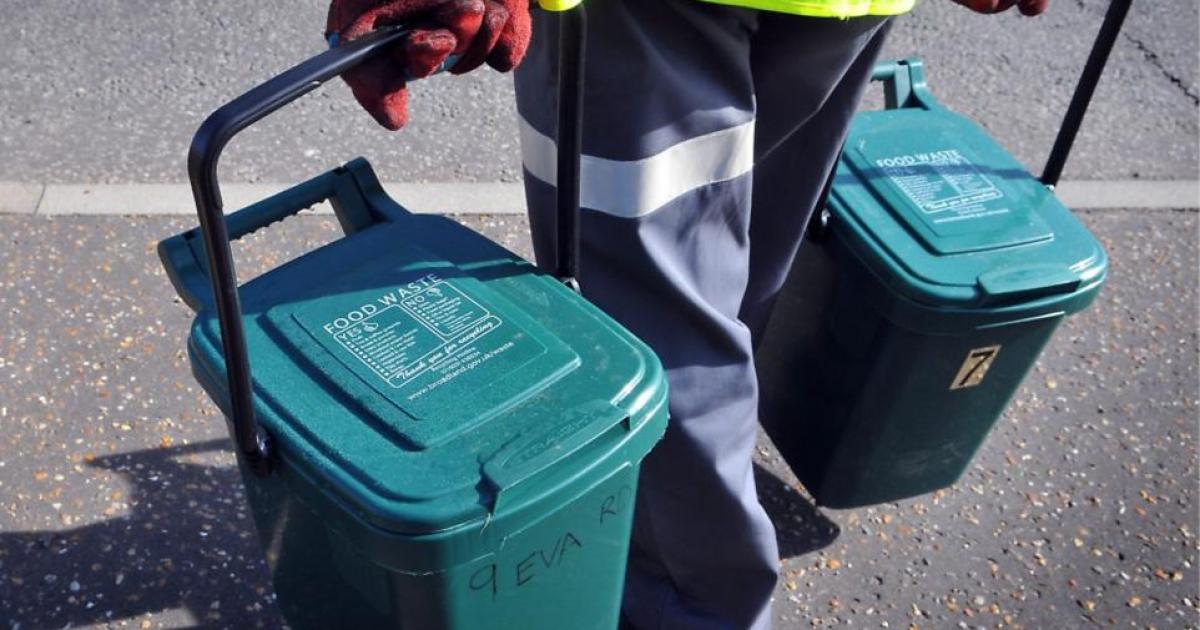
Breckland, South Norfolk, North Norfolk and Great Yarmouth were all instructed to offer residents a separate food waste collection service by March 31.
It comes as new government guidelines require all councils across the country to offer the new measures, in what has been described as one of the biggest shake-up to recycling policy in England in 20 years.
The councils received millions in funding to help the transition (Image: BBC)
Nationally, the Department for Environment, Food and Rural Affairs (DEFRA) handed out more than £340 million in grants to help councils make the switch.
Four Norfolk councils alone received more than £6 million of that pot, yet none managed to meet the deadline.
Norwich City, Broadland and West Norfolk Council have already been operating the scheme for an extended period, and received a minimal amount of financial support.
Breckland, South Norfolk, North Norfolk and Great Yarmouth all point to the same reason as to why they missed the deadline, however.
They claim a national “rush to market” for specialist food waste vehicles, with hundreds of authorities placing orders simultaneously, overwhelmed manufacturers.
Great Yarmouth – which has held Norfolk’s worst recycling rate for more than a decade – says it won’t have its fleet fully prepared until January 2027.
Great Yarmouth Borough Council has struggled with recycling for years (Image: Supplied)
A spokesman added that delays in government funding also compounded the council’s struggles.
Breckland and South Norfolk are targeting to launch food waste recycling by summer and September respectively, while North Norfolk expects to begin by February next year.
Norfolk’s councils also argue the county’s rural character makes the new waste collection difficult, and some have questioned the legitimacy of the scheme in less sparsely populated parts of the county.
One council spokesman said that in rural areas lorries are having to travel miles between collections, meaning fuel and operational costs may outweigh the environmental benefit.
Nationally, 79 English councils – one in four – missed the same deadline.
DEFRA told the BBC that non-compliant councils risk judicial review, but acknowledged they are accountable to their electorate, not ministers.
WHAT CAN YOU PUT IN BINS AHEAD OF THE COLLECTION CHANGES
Recycling bin
Newspapers, magazines and telephone directories
Paper and clean cardboard
Plastic bottles (such as drinks, detergent, shampoo and plastic milk bottles – leave the lids on)
Steel and aluminium food and drinks cans
Empty aerosols
Glass bottles and jars (leave the tops on)
Plastic food pots, tubs and trays (such as yoghurt pots, ice cream containers and margarine tubs)
Waxed cartons and Tetra Paks (such as those used for juices and soups)
Foil and foil trays
Shredded paper
Envelopes (including window type), greetings cards and junk mail
Wrapping paper
Leftover food waste caddy
Leftovers
Fruit and vegetable peelings and cores
Egg shells and salad
Coffee grounds and teabags
Meat and fish (including bones), cooked and uncooked
Out-of-date or mouldy food
General rubbish bin
Use your rubbish bin for anything that doesn’t go in your recycling bins or food waste caddy. For example:
Broken crockery
Food pouches
Nappies
Pet waste
Vacuum dust and sweepings
Broken toys
Polystyrene
Glassware and Pyrex