
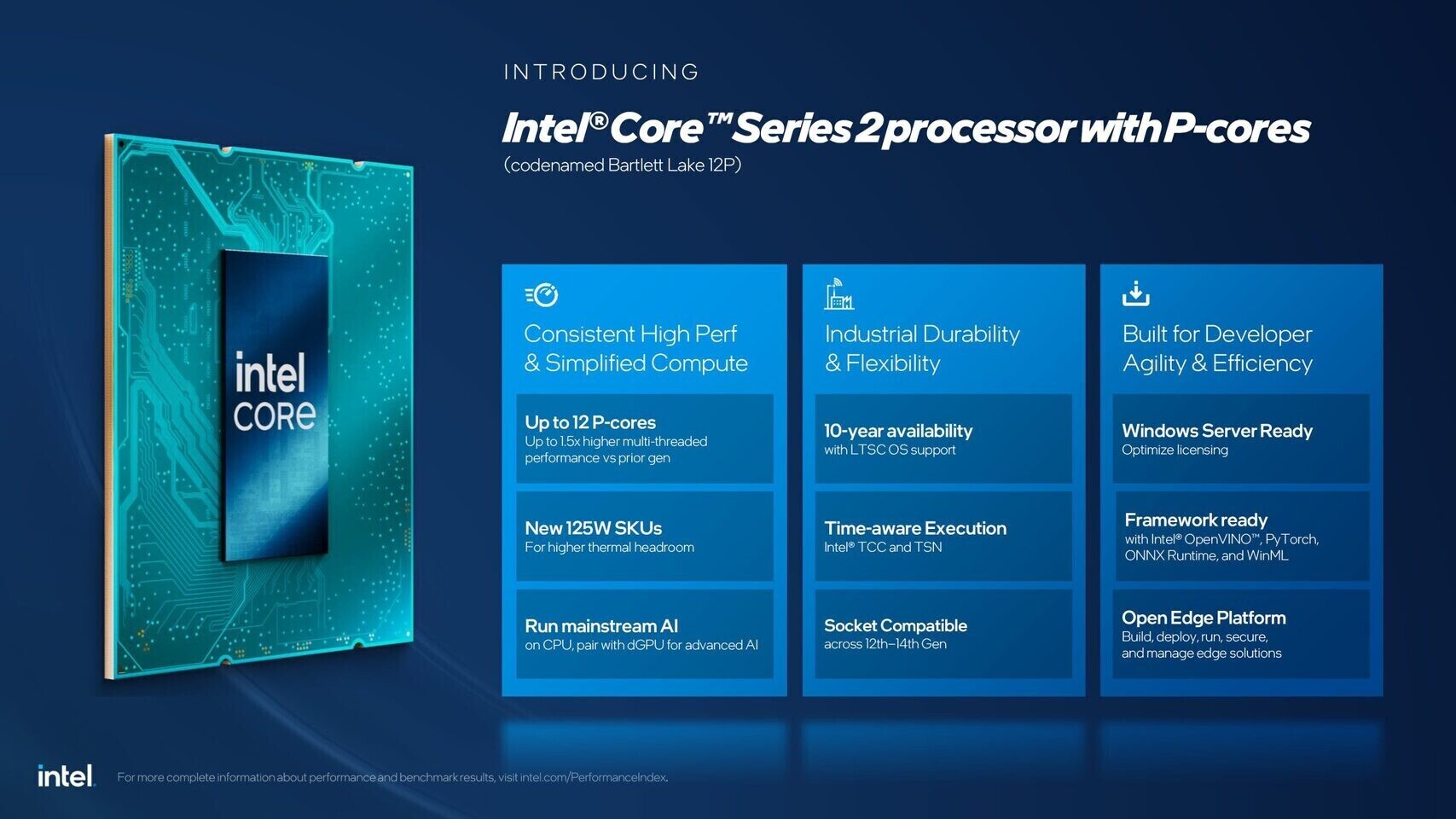
Intel’s long-awaited gaming CPU king, the Core 200 “Bartlett Lake-S,” is an intriguing CPU generation that isn’t actually meant for gaming. The top version, the Core 9 273PQE, is a 12-core, 24-thread processor launched exclusively for commercial and industrial PC OEM markets as an edge/embedded design, and it’s not available for the DIY PC crowd. Intel didn’t plan for these CPUs to run on commercial motherboard chipsets, and major motherboard manufacturers have confirmed this. However, a modder has achieved something remarkable by booting Intel’s “Bartlett Lake” Core 9 273PQE processor into the Windows operating system on a standard Z790 motherboard. Previously, these chips could only reach the POST stage on consumer LGA 1700 boards, but they couldn’t run a fully functioning operating system.
Built on the Intel 7 node and designed for Socket LGA1700, “Bartlett Lake” is a non-hybrid chip featuring up to 12 “Raptor Cove” P-cores without any E-core clusters. It was not intended to be compatible with consumer Intel Z790 chipset motherboards. However, main issue was never the socket itself. “Bartlett Lake” shares the same physical LGA 1700 layout as Intel’s “Raptor Lake” chips, but that doesn’t automatically make it compatible with consumer boards. Typically, the absence of official BIOS and microcode support prevents proper CPU initialization. Earlier attempts usually resulted in startup failures, blank screens, or error codes before progressing further. This recent success changes that narrative. By modifying the motherboard firmware to accept the processor during early boot, the modder overcame the hurdles that had previously caused failures. Once the system accepted the chip at initialization, Windows loaded successfully.
The flagship “Bartlett Lake” Core 9 273PQE is also notable for its P-core-only design, featuring 12 performance cores and 24 threads. This sets it apart from Intel’s more common hybrid desktop CPUs that combine performance and efficiency cores. It requires no work from Thread Director or the Windows 11 kernel to orchestrate the threads, which would significantly boost gaming performance. This uniqueness makes it appealing to enthusiasts, especially those curious about its performance compared to chips like the Core i9-13900K or Core i9-14900K. However, this setup is experimental. There is no official support, and in-app stability isn’t guaranteed. Future BIOS updates might also complicate or prevent such modifications. Nonetheless, the successful Windows boot demonstrates that the primary obstacle was firmware-related, not a fundamental hardware incompatibility.