
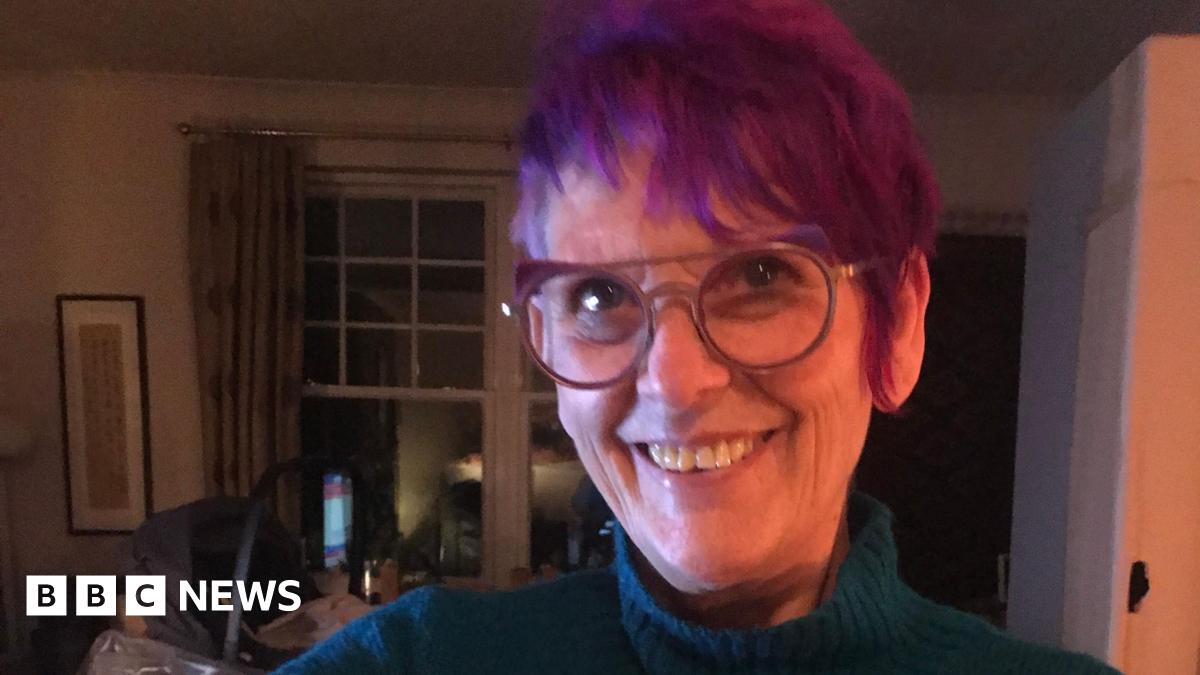
Sue, now 71, said she had checked her breasts every pay day, once a month, before she found something and had booked to see a GP.
She awoke on the day of the appointment in shock to find her right breast had collapsed, and she was referred immediately by her doctor to hospital.
After tests, a week later Sue was told she had a fast-growing form of breast cancer and was given a poor prognosis.
Chemotherapy followed to shrink the multiple tumours found which had attached to her chest wall and made her breast collapse.
She then needed a radical mastectomy, which involved removing her right breast, muscles and lymph nodes, before daily radiotherapy.
Later she had her left breast removed as well, and then took the hormone therapy drug tamoxifen for the next 14 years.
The grandmother-of-eight, who lives in Standish, said she feared she might not have reached retirement without the advances made by research.
Jane Bullock from Cancer Research UK said: “We’re living in a golden age of research” but she warned there was more to do, with “nearly 1 in 2 people set to be diagnosed with cancer in their lifetime”.