
(Credits: Far Out / Alamy)
Sat 4 April 2026 21:15, UK
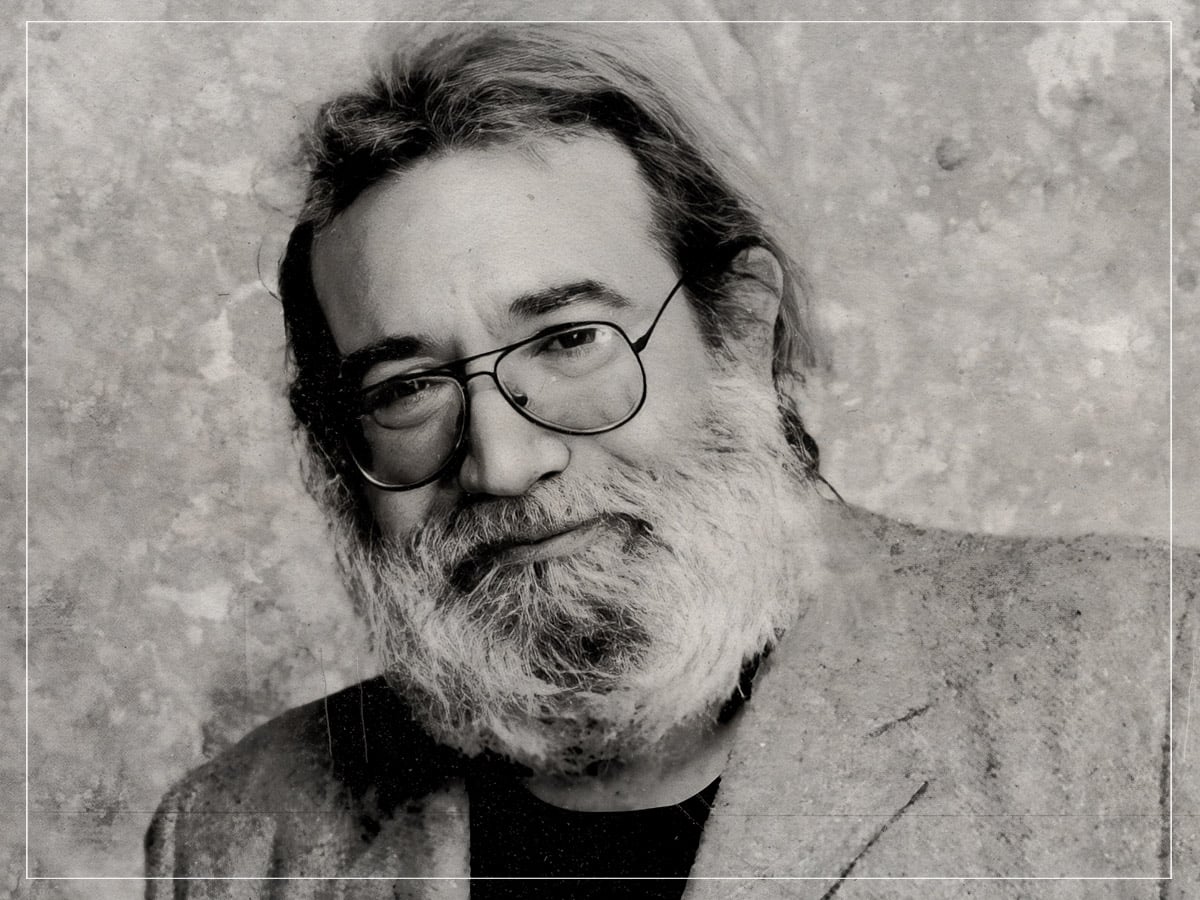
People often say that the ultimate sign of improvement is embarrassment. An artist should be able to look back at their earlier work with at least a little shame, because that, apparently, is the key to growth, or at least the belief Jerry Garcia held.
By the time the 1980s were over, Garcia had more brain power to properly reflect on his work in the Grateful Dead. By then, they were 11 albums down, but as to be expected given the band’s reputation, no one involved could really remember them.
Perhaps the exact reason why the Grateful Dead became known as the kings of improvisation was that they were all too hazed out to be anything else. The band emerged as the result of acid tests, launching as Ken Kesey’s unofficial house band during his early LSD experimentation. Before, during and after that, they were big into weed, casting their live shows in a great cloud of smoke and casting them as a key figure in the government’s war against drugs.
The 1960s and ‘70s passed in a complete daze of hallucinogens, uppers and downs, so it might be tough for the troupe to even remember the songs they’d recorded, let alone have a single critical thought on them. It did, however, also contribute to exactly what made them great. Their albums at that point felt by-and-by. Instead, it all came down to their long live shows that descended into extended improvisation jams that could roll on for hours. Their selling point was the spectacle of the band up there on stage, soundtracking all the trips happening in the audience.
But then, as the 1970s rolled to an end, Garcia changed his poison. It seemed that when he switched from acid to heroin, the different effects led to a different mindset. No longer quite so hazy, he was instead frantic and laser-focused when he got his fix, and that got turned onto his music.
Suddenly, he seemed to have thoughts, so Relix used the chance to ask him if he was embarrassed about his music, to which he candidly said, “All of them! To some extent”.
Now with a sudden drive to improve the group, Garcia reflected, “There’s moments on all of them that I feel good about and moments that I feel bad about”.
Most of it came down to distance. “I’m so far away from the experience of the albums that I no longer remember what it was that used to annoy me so much about some of the records,” he said, forgetting the random incidences and irritations that happened in the studio and losing the context behind the work. “Sometimes I have to listen to them again and try to reconstruct it, and then I remember, ‘Oh yeah, that’s right, I meant to do another guitar solo on that one. I didn’t mean to keep that one’. Things like that,” he added.
But what he was left with was always a slight embarrassment in the way that even without the background details of the recording day, he could still sense something was off. “I never felt that we were a very good recording band,” he admitted, resolving in 1980, “I think we’re just starting to get accomplished at that.”
