
Food prices will soar in 2026 as climate change and soil degradation take their toll, environmental experts have warned.
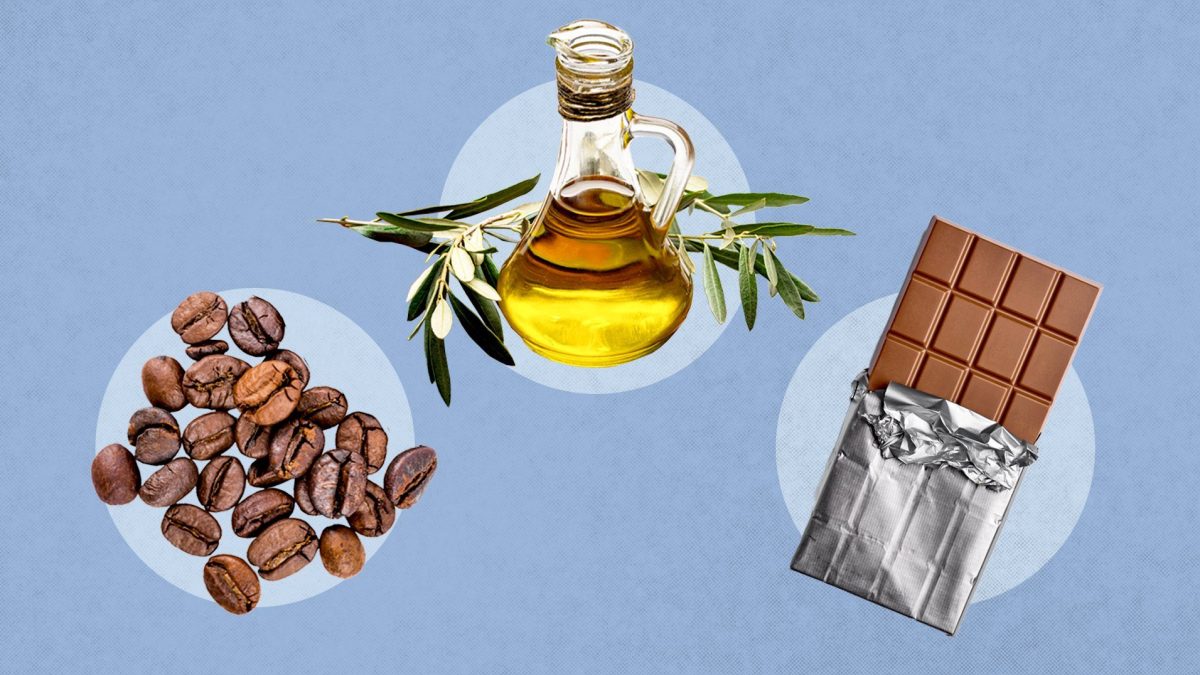
Beef, chocolate, coffee, olive oil, grapes and figs have been named among the more vulnerable to price increases.
“We will see prices rise this year,” said Professor Pete Smith, chair of plant and soil science at the University of Aberdeen, adding: “The primary driver is climate change.”
New FeatureIn ShortQuick Stories. Same trusted journalism.
He said extreme events such as droughts and floods are one of the main causes of food price rises, particularly in spring and summer.
But he added: “Soil degradation makes the food system more vulnerable as poor soil is more vulnerable to droughts and floods.”
When soil degradation meets climate change “it’s the perfect storm”, said Smith.
Last year, Easter egg prices were affected by rises as drought and heavy rains hit cocoa-producing countries like Ghana. Olive oil prices soared as Spain and Greece suffered heatwaves and drought.
Similar climate conditions in the Mediterranean this year could see olive oil, grapes and figs prices rise.
Geopolitical events also have an impact on food prices. War in Ukraine damaged the supply of cereal and sunflower oil pushing up prices from 2022. Instability in Latin America may make coffee a more expensive commodity this year.
The impact of climate change on UK food prices can have knock-on implications for access to nutritious food and human health, particularly for vulnerable communities, said Smith.
The impact of poor soil on food prices
Save Soil, a global campaign, has named beef, chocolate and coffee as most likely to soar in price in 2026 due to extreme weather in the regions where they are produced.
And failing to protect soil health means “2026 is going to be a year of worsening food prices”, said Praveena Sridhar, the chief technology officer of Save Soil.
UK agricultural soils are about 40 per cent degraded, according to the global campaign group, making them less resilient to drought and floods.
This is primarily caused by intensive agriculture, where heavy machinery and frequent tilling have depleted 40 to 60 per cent of organic carbon in arable soils, which is crucial for its overall health and nutrient supply.
This is exacerbated by erosion from wind and water stripping away topsoil from bare fields or overgrazed uplands.
“When our soils are degraded, even short dry spells turn into damaging droughts, harvests collapse and the UK becomes dangerously exposed to global shocks,” said Sridhar, calling for soil health to be treated “as nationally significant infrastructure”.
“In fact, the UK is particularly vulnerable to food prices surges from soil degradation due to reliance on food imports from countries that are also suffering from soil degradation, and from the UK’s own soils continuing to degrade.”
Save Soil estimates that soil degradation is costing the UK economy an estimated £1.2bn annually. Historically poor harvests drive up input costs for farmers, affecting both supermarkets and consumers.
Sridhar said there was a missed opportunity to address the problem at COP30 but regenerative farming practices, such as crop rotation and use of manure, are key.
David Exwood, deputy president of the National Farmers’ Union, said the importance of healthy soils to farmers producing our food “cannot be underestimated”.
“It’s our number one asset and underpins productive farming systems, as well as delivering huge benefits for the environment, the farmed landscape and resilience to climate change.”
John Walgate, chief executive of the British Growers Association, pointed out that any poor yields in 2025 were most likely due to “pure lack of rainfall”, while farmers who were able to irrigate fared better.
The UK experienced its driest spring in over 100 years in 2025.
Walgate said: “When British grower returns are already low, it is inevitable that in 2026 if there are further increases in input costs such as labour and energy, that growers will need to try to pass these on.
“Growers will be hoping for relaxation of planning regulations in the future to enable them to invest in more winter rainfall storage. We have plenty of rain, we just need to manage it better.”
The Department for Environment, Food and Rural Affairs said: “We are safeguarding food security and improving this country’s resilience to drought by backing farmers with the largest nature-friendly budget in history, supporting sustainable farming practices like improving soil health.
The spokesperson added that more than half of farmers are in government-funded farming schemes helping them to adopt nature friendly methods which are good for their bottom lines.