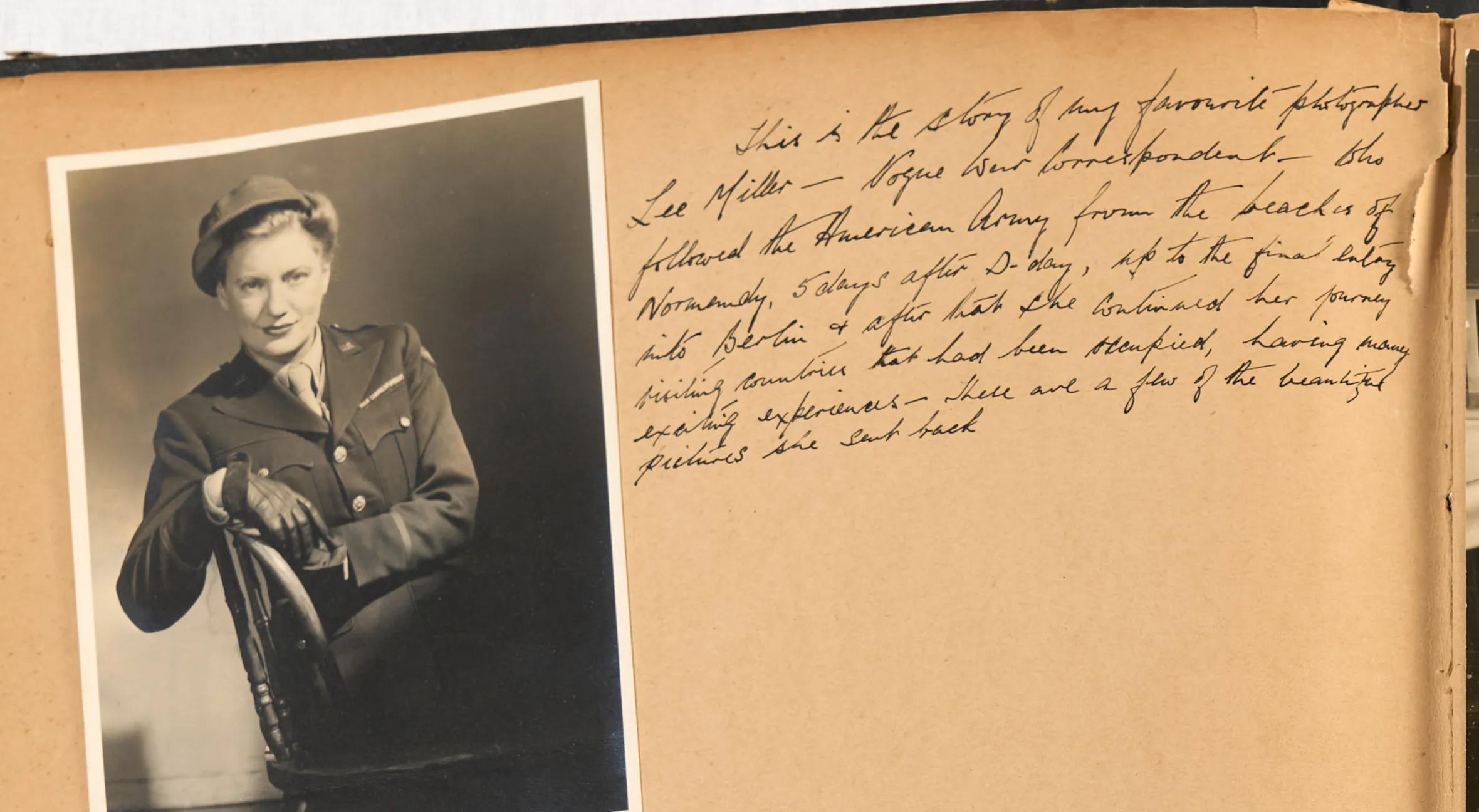
A darkroom technician’s scrapbook has been hailed as one of the greatest photographic records of the 20th century after its pages revealed previously unknown prints from two of history’s most celebrated photographers.
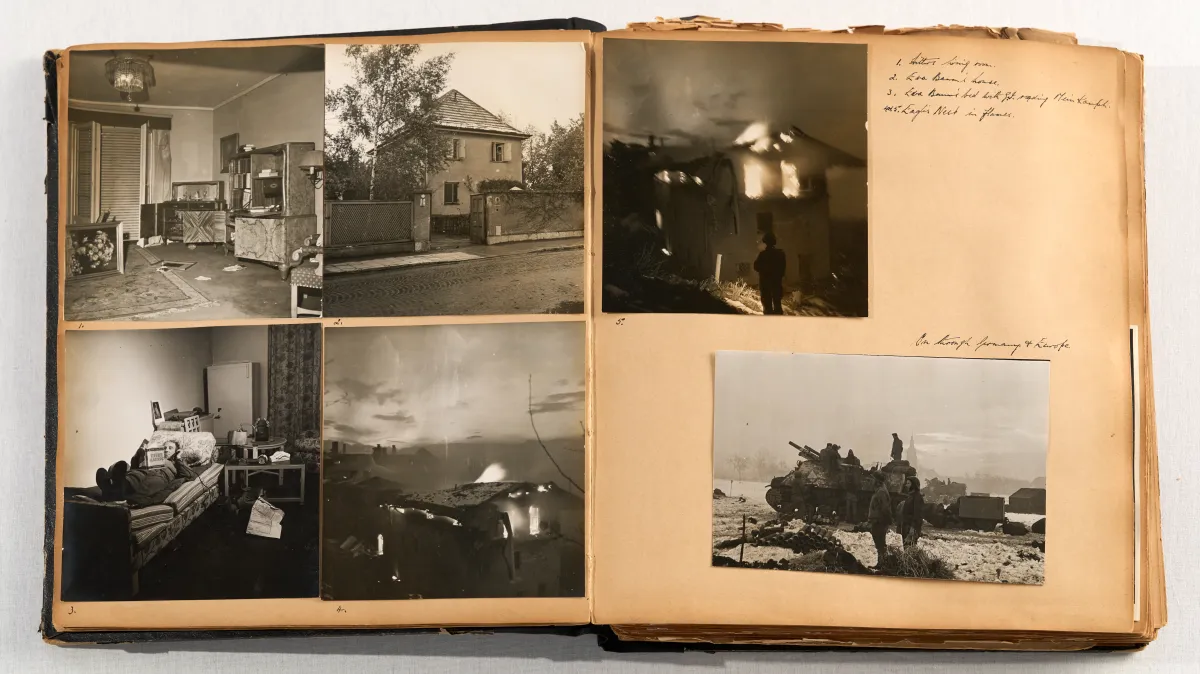
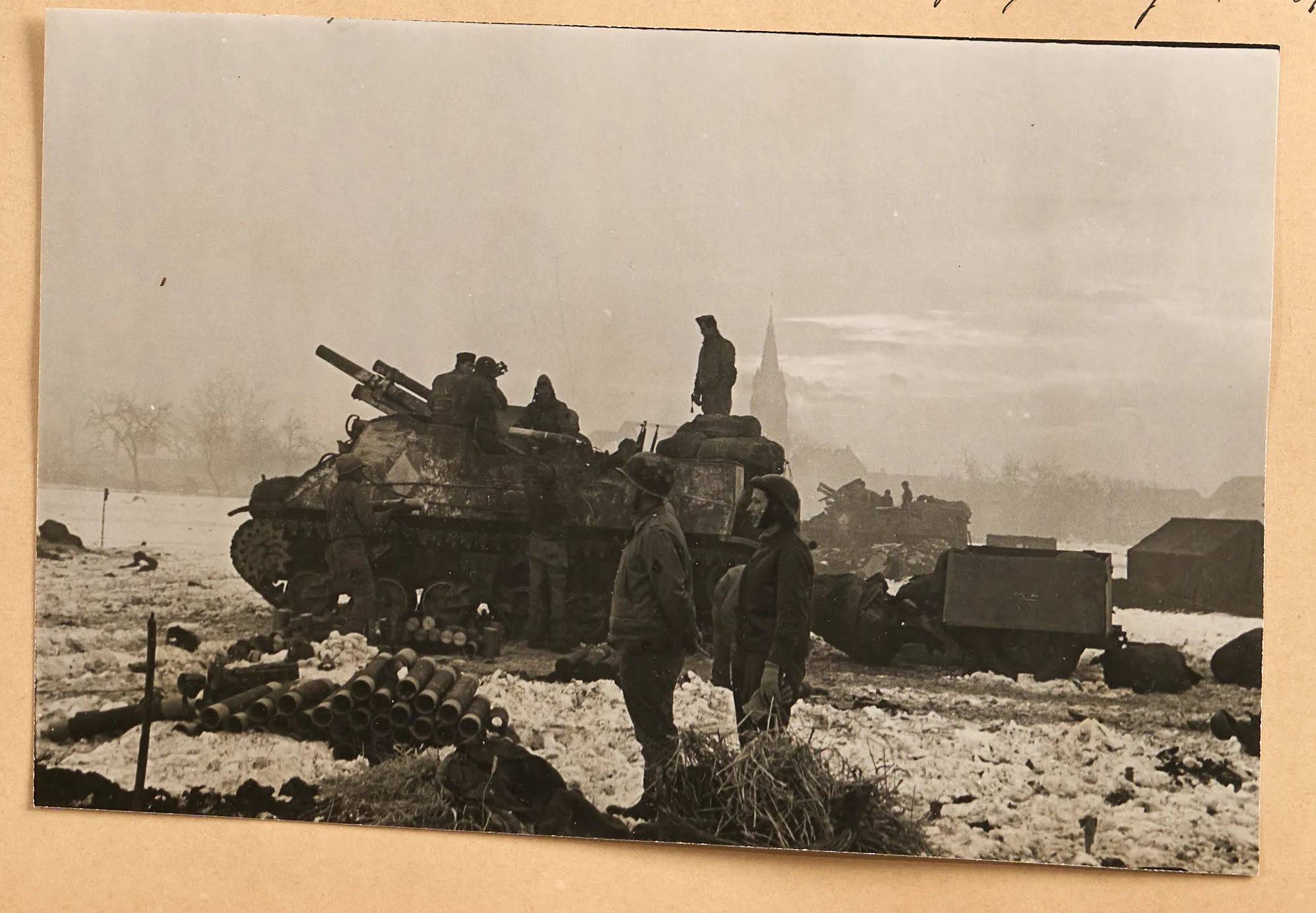
The book contains scores of images created by Lee Miller and Cecil Beaton during the Second World War and its aftermath, processed and printed in London by their trusted assistant Roland Haupt.
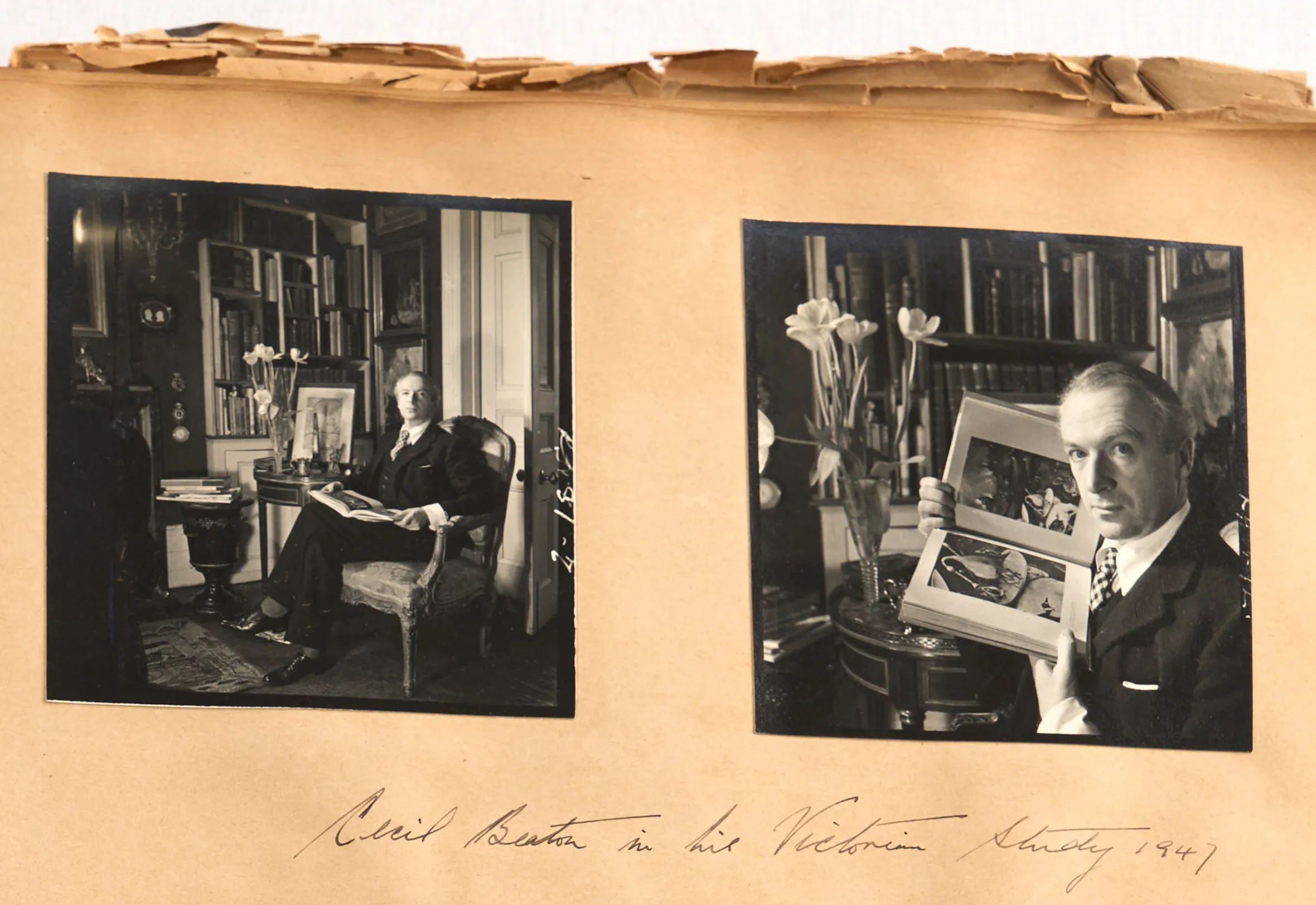 The scrapbook includes photos of Cecil Beaton
After Haupt’s death in the early Sixties, the scrapbook was passed to his descendants, who did not display it. It has now been bought by the University of Oxford’s Bodleian Libraries, which hailed it as a unique record of the era.
The book contains many unseen prints including a second shot of one of the century’s most iconic images: Miller pictured in the bathtub of Hitler’s Munich apartment shortly after she had been to Dachau concentration camp.
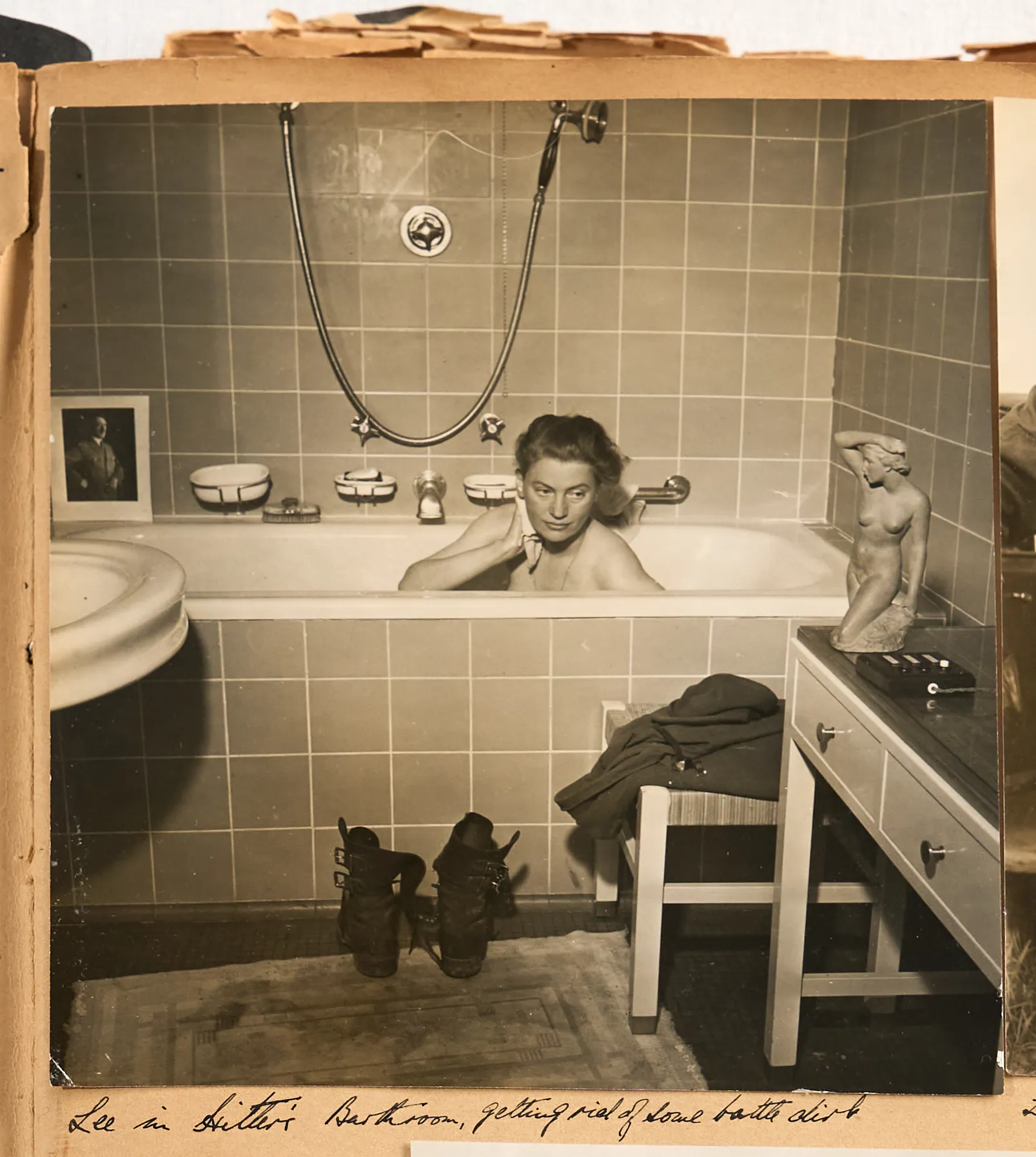
According to Antony Penrose, Miller’s son, the picture, taken by her friend David E Scherman, had been his mother “sticking two fingers up at Hitler” having trodden all over the Führer’s bathroom floor with her boots “covered with the filth of Dachau”.
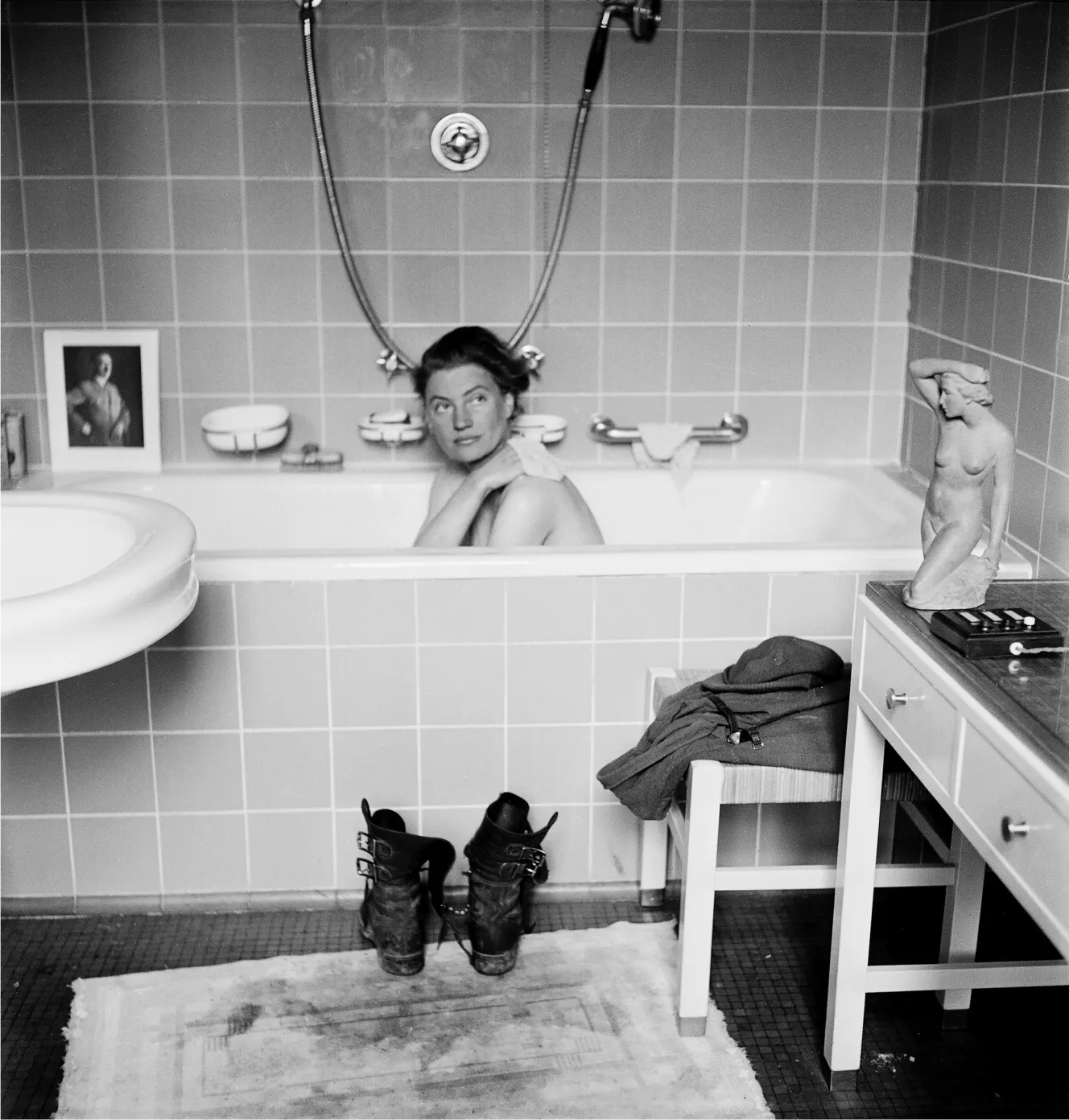 Lee Miller in the more famous version of the bathroom photograph David E Scherman/Lee Miller Archives
Miller, the recent subject of a Tate Britain exhibition and a film starring Kate Winslet, is recognised as one of the 20th century’s most remarkable individuals, with a trailblazing record in surrealism, fashion photography and war reportage.
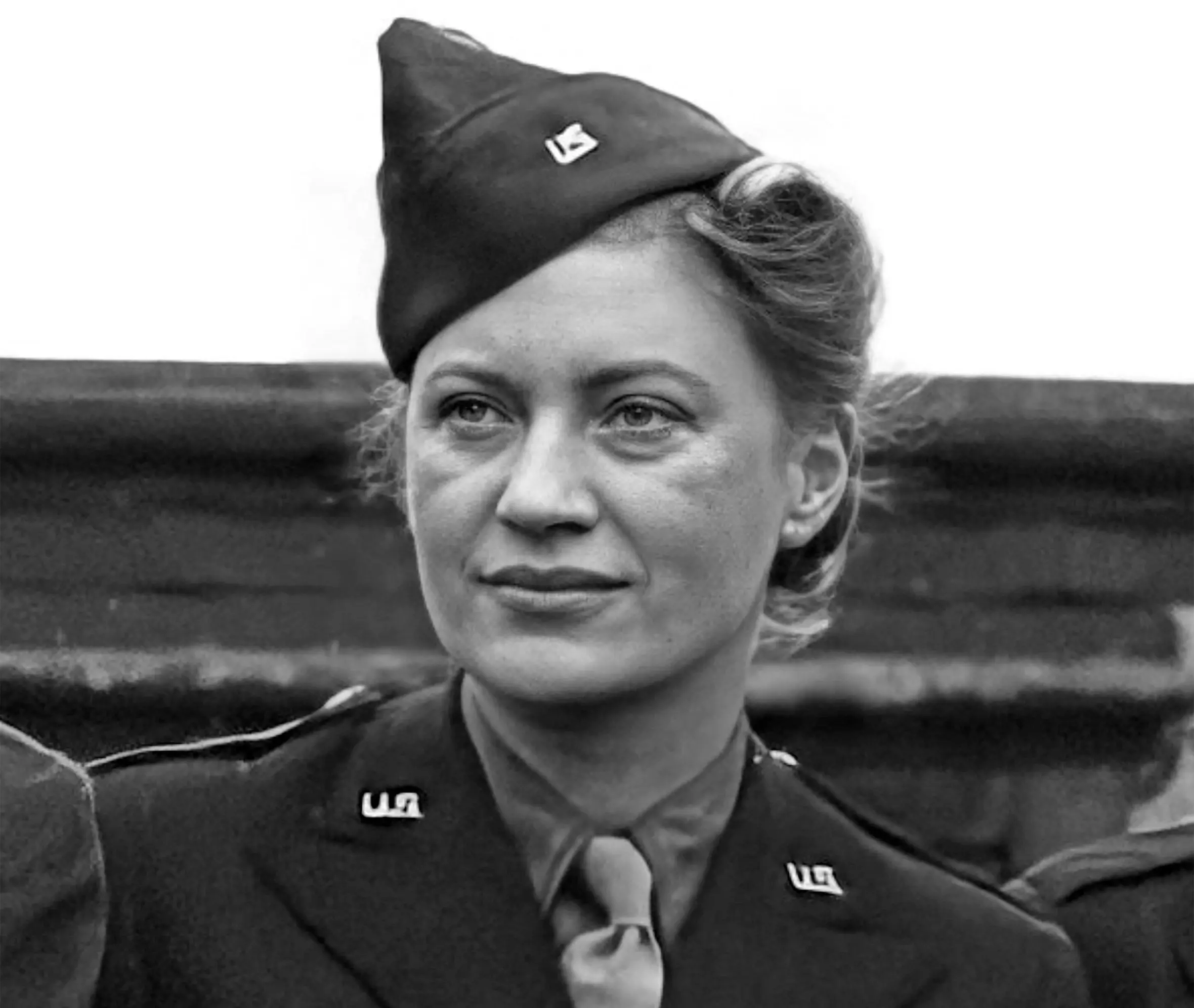 Miller in 1943 and, below, played by Kate Winslet in the film LeeAlamy
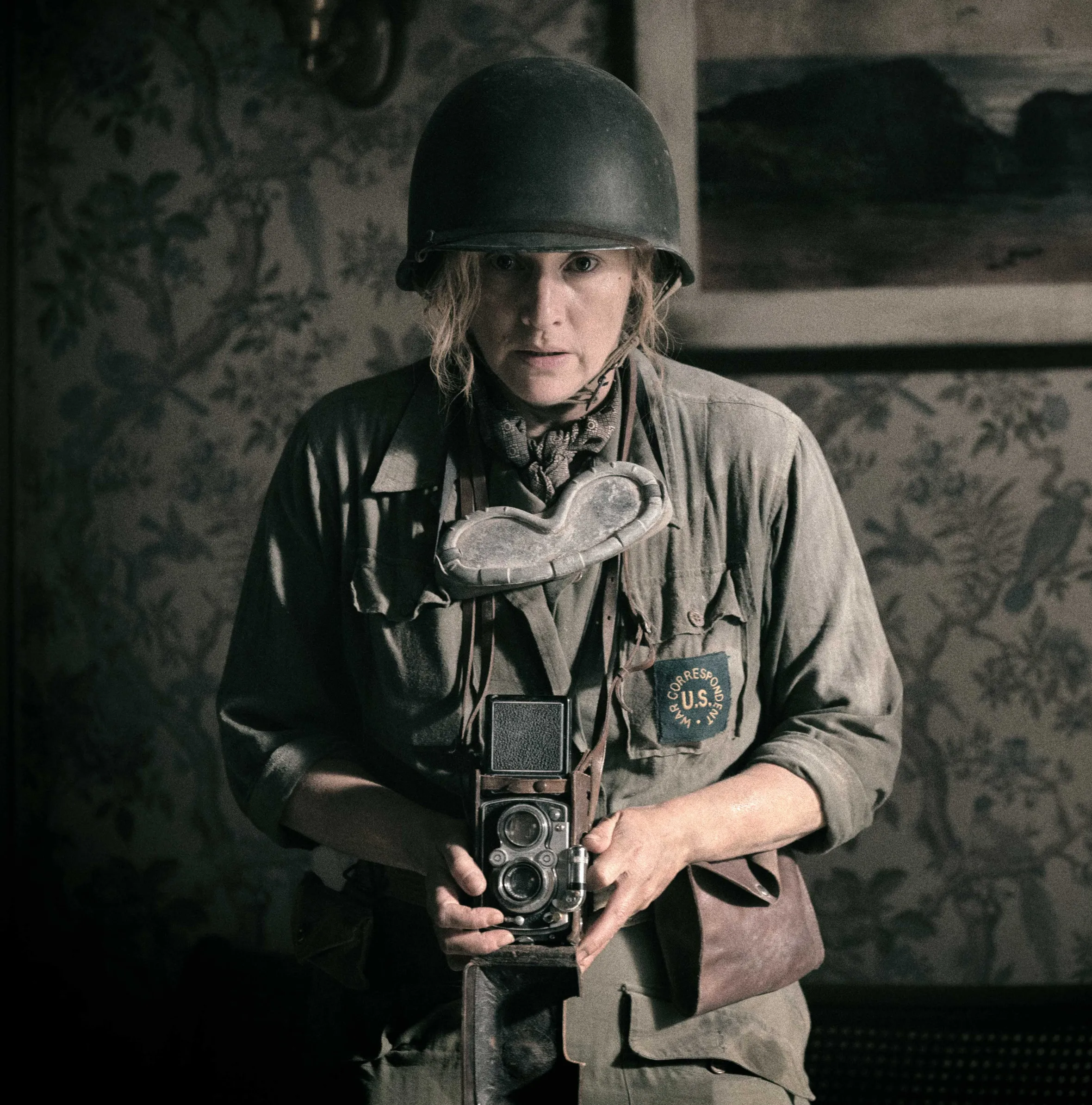 Sky UK
The former Vogue model was one of the few accredited female war correspondents, and her images and reporting from across Europe were published in British and American Vogue.
Beaton was an equally monumental figure having been an official British government war photographer, the creator of some of the most memorable images of the royal family, and an Oscar winner for best costume design for two films, including My Fair Lady.
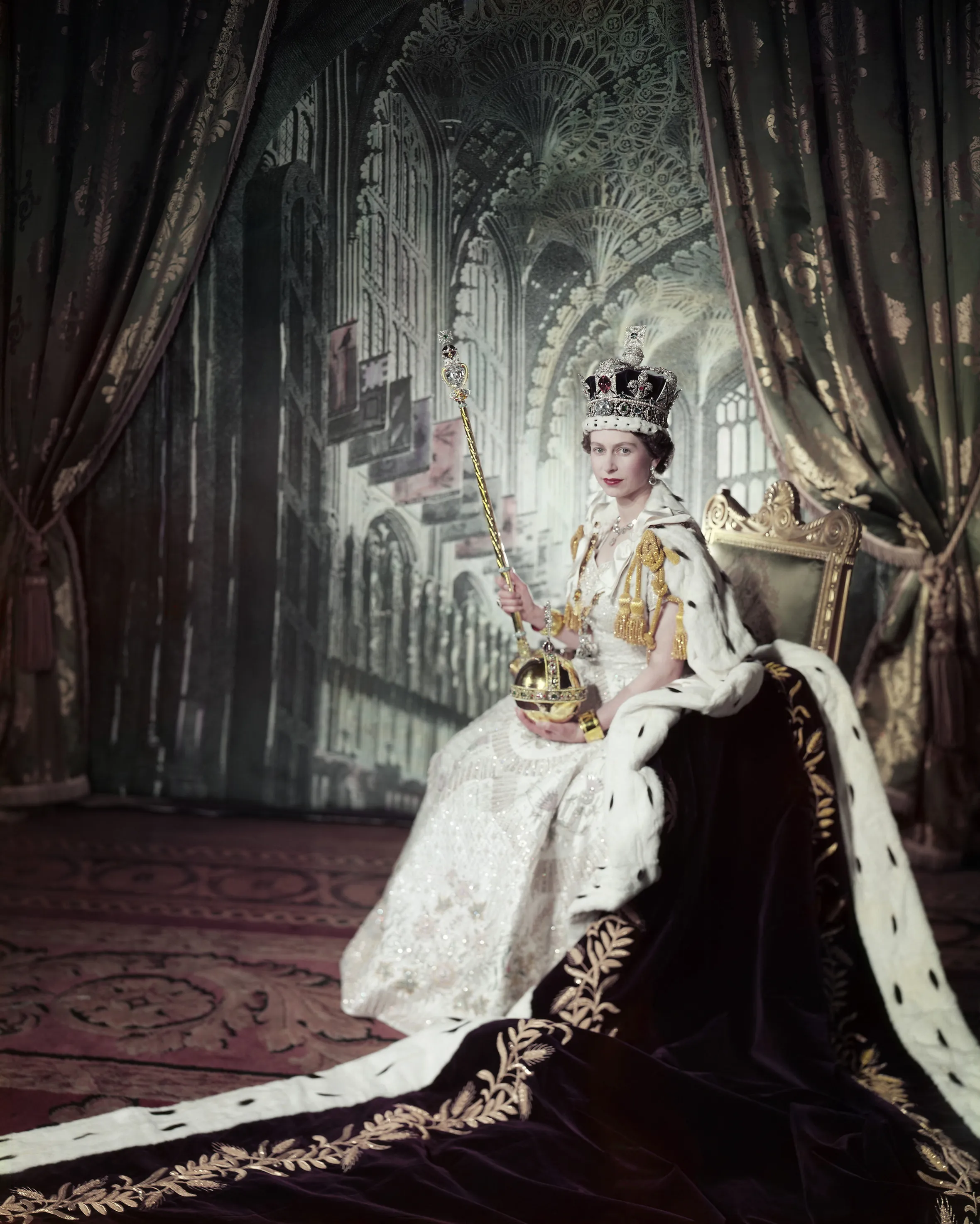 Queen Elizabeth on her coronation day in 1953 by Cecil BeatonRoyal Collection Trust/His Majesty King Charles III 2023/PA
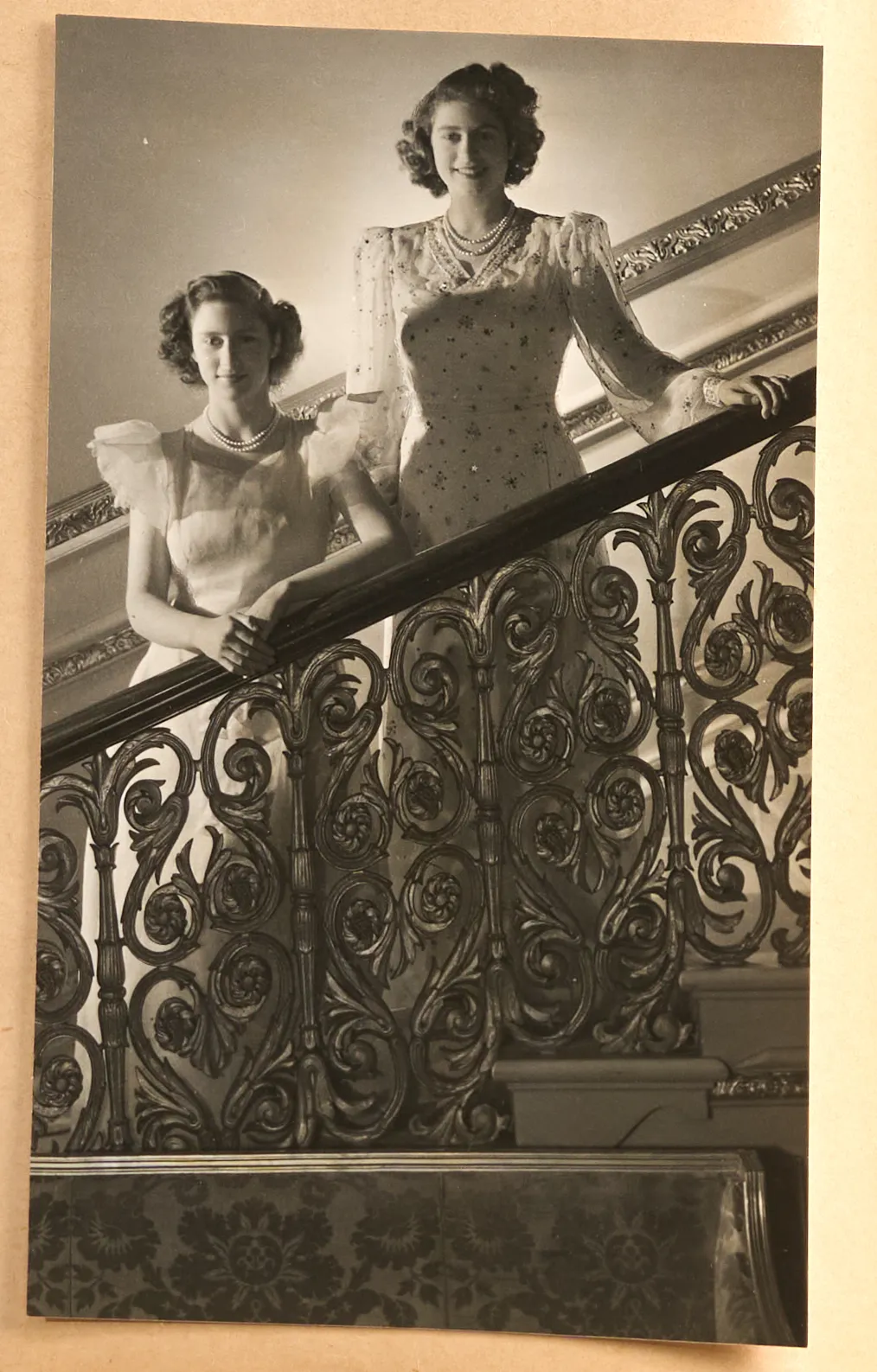 She features in the scrapbook as Princess Elizabeth, with her sister Princess Margaret
It is only now known that Miller and Beaton were sending their films back to London from Europe and Africa for Haupt to process and print before he forwarded their images to Vogue and others.
Haupt, who had been personally trained by Miller, was keeping his own scrapbook of the prints he developed between 1943 and 1949.
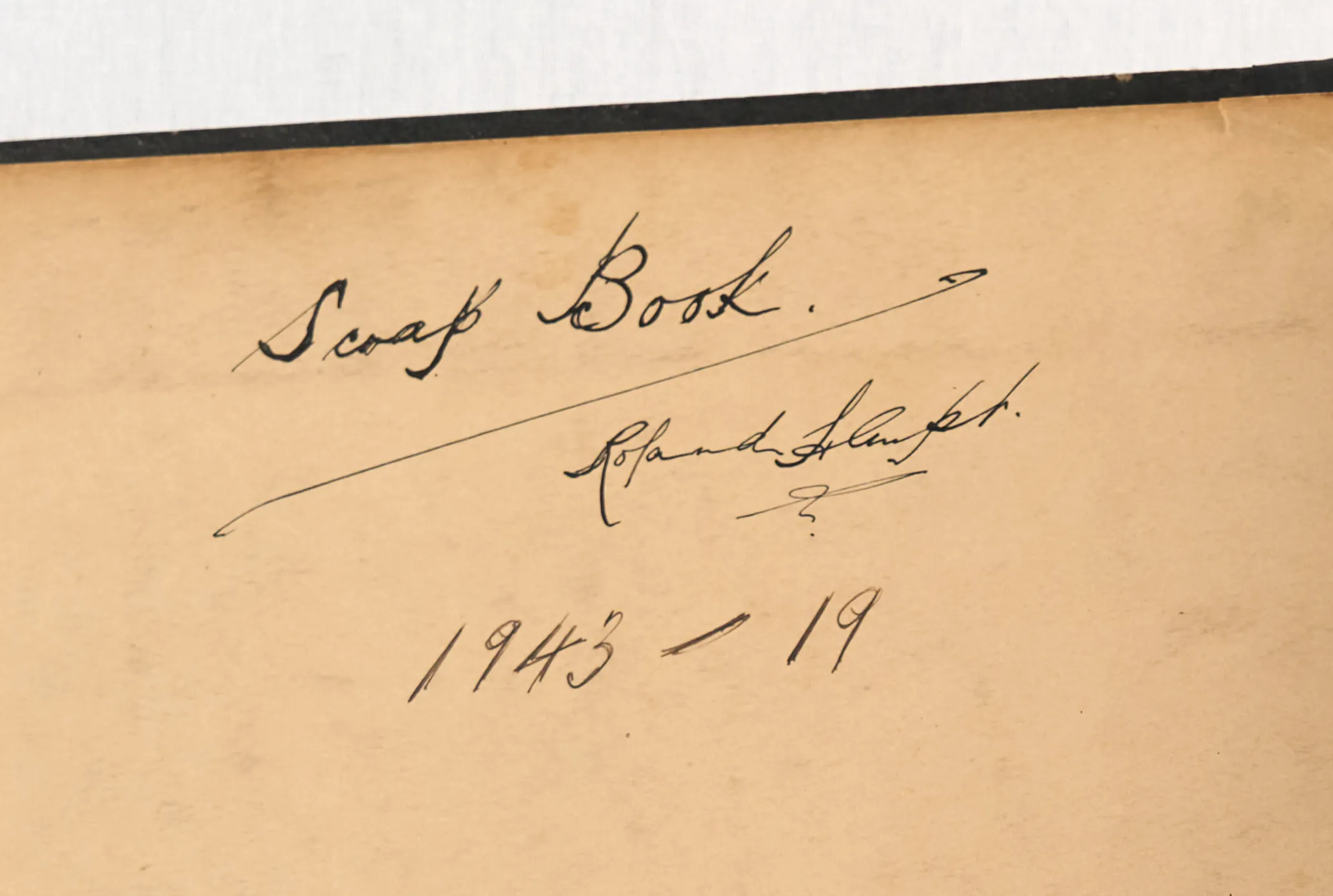
The photography dealer Michael Hoppen who brokered the deal with the Bodleian after being contacted by Haupt’s descendants, said the book was an “empirical time capsule”.
Hoppen said it had been a “big surprise” to discover that Miller, “knowing what she had in the can, was entrusting her film to this man”.
“That relationship was clearly very important,” Hoppen said this month. “And he has clearly been instrumental in showing us how extraordinarily brave this woman was.
“There are lots of pictures I have never seen before. There are pictures of the concentration camps that I’m glad I don’t remember and others of executions where you have the full set of pictures. It is clearly a very personal album.”
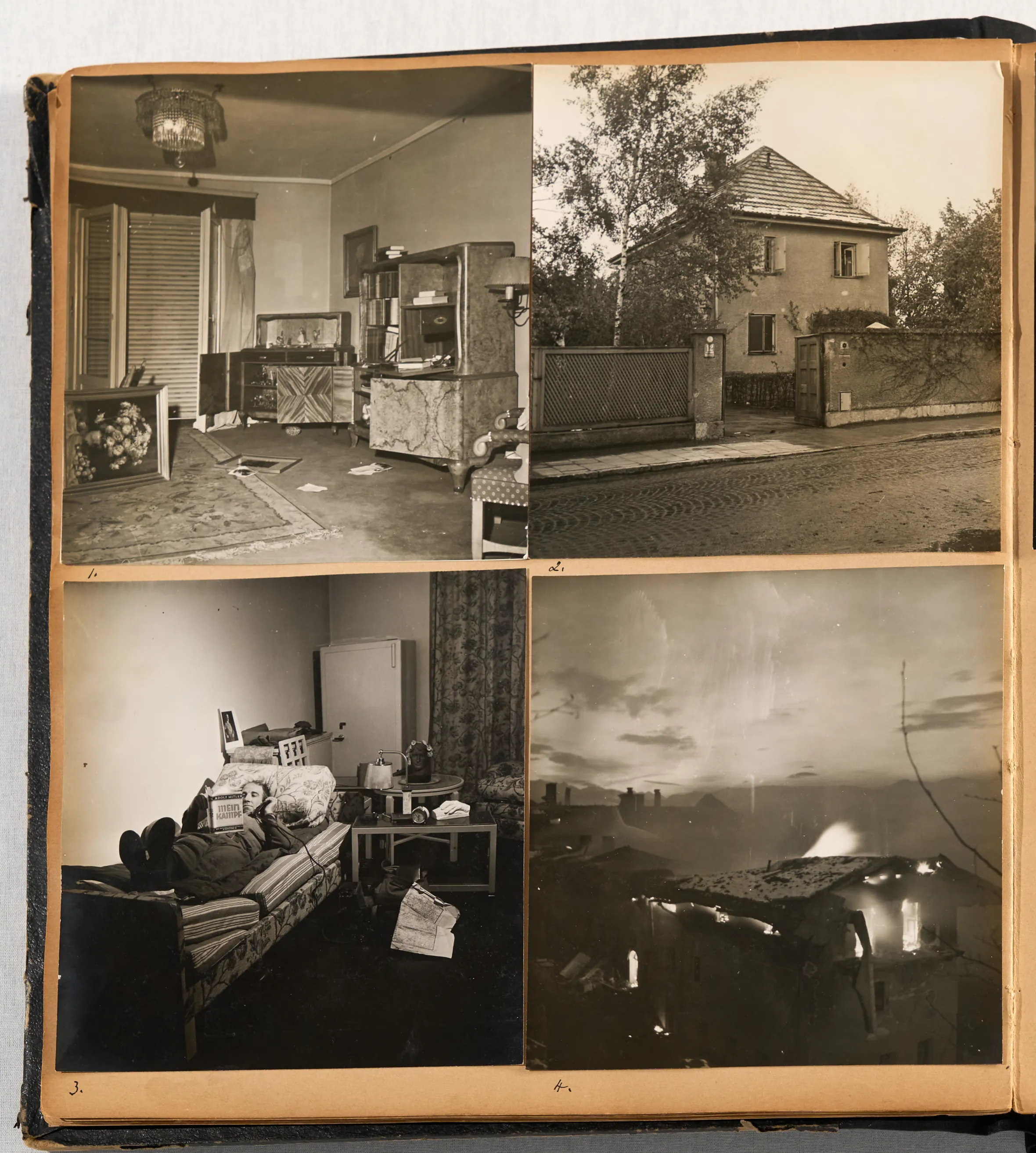 Images from Miller’s wartime photography, which she captioned, clockwise from top left, “Hitler’s sitting room, Eva Braun’s house, Eva Braun’s bed with [illegible] reading Mein Kampf, Eagle’s Nest in flames”
Hoppen said it could be one of the most important albums of 20th century photography to come to light adding that it was certainly an “amazing discovery”.
As well as the prints documenting the horrors of the war, the book contains images from Miller and Beaton of iconic figures of the era including Marlene Dietrich, Fred Astaire, Noël Coward and Henry Moore.
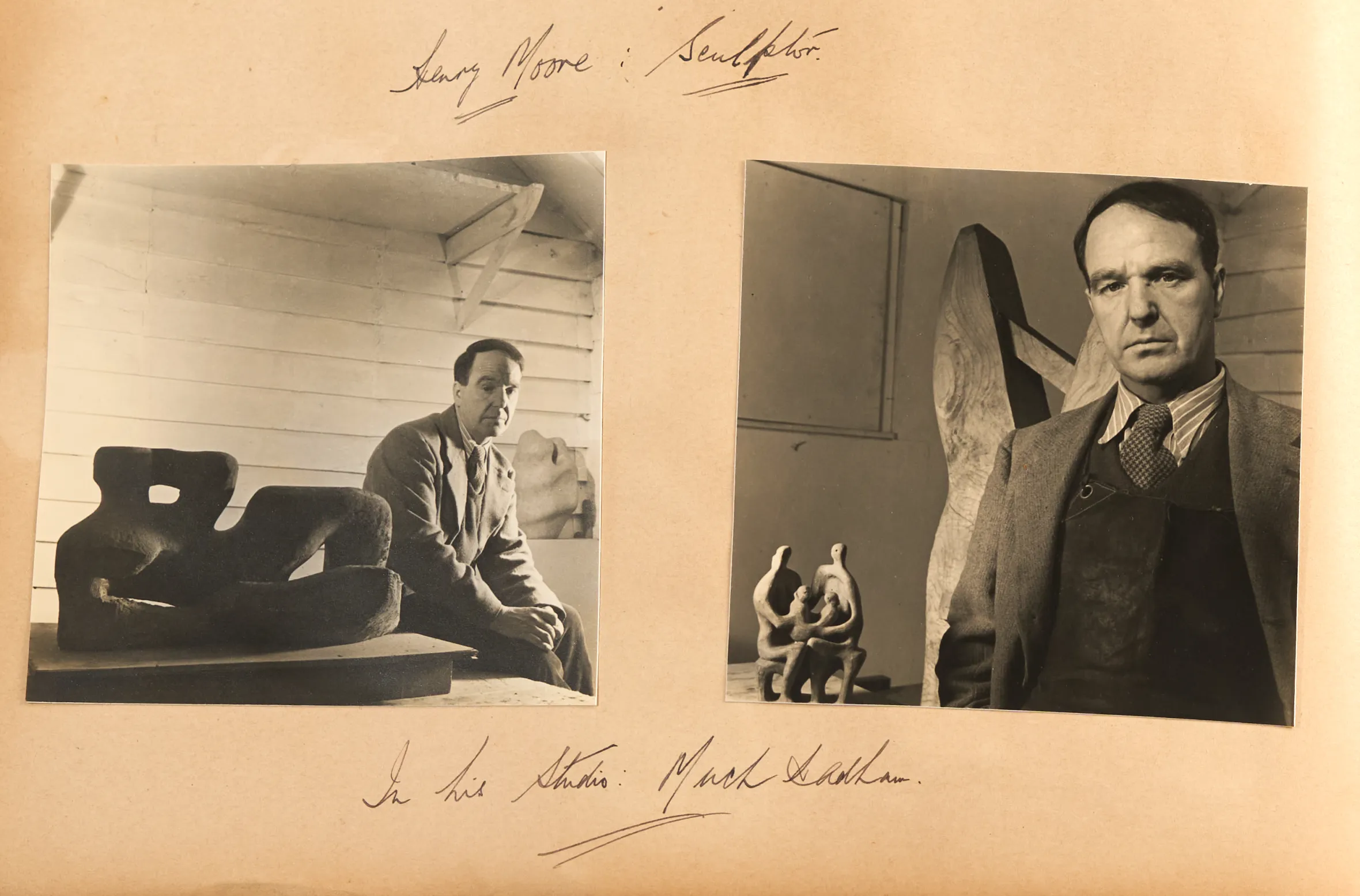 The sculptor Henry Moore
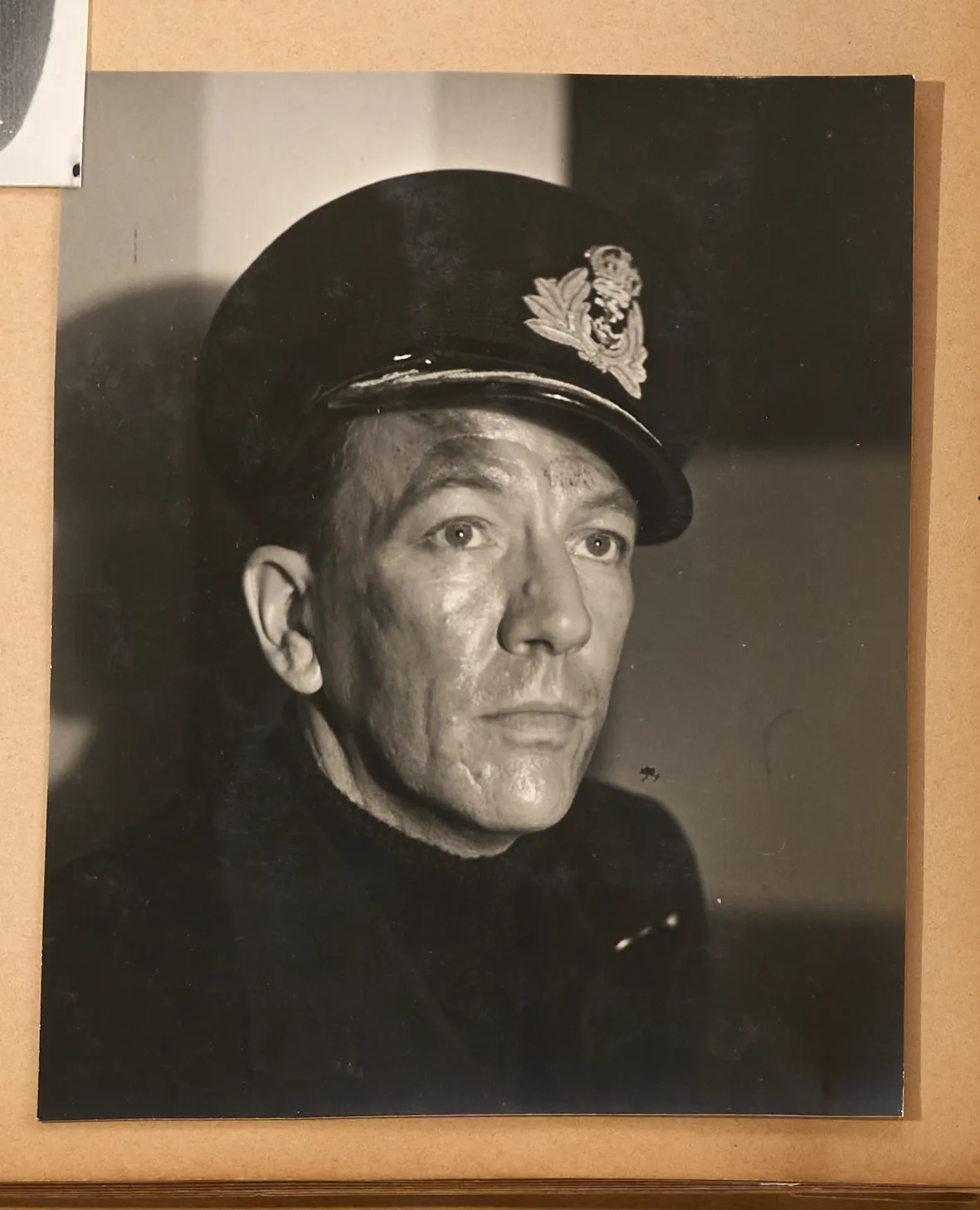 Noël Coward
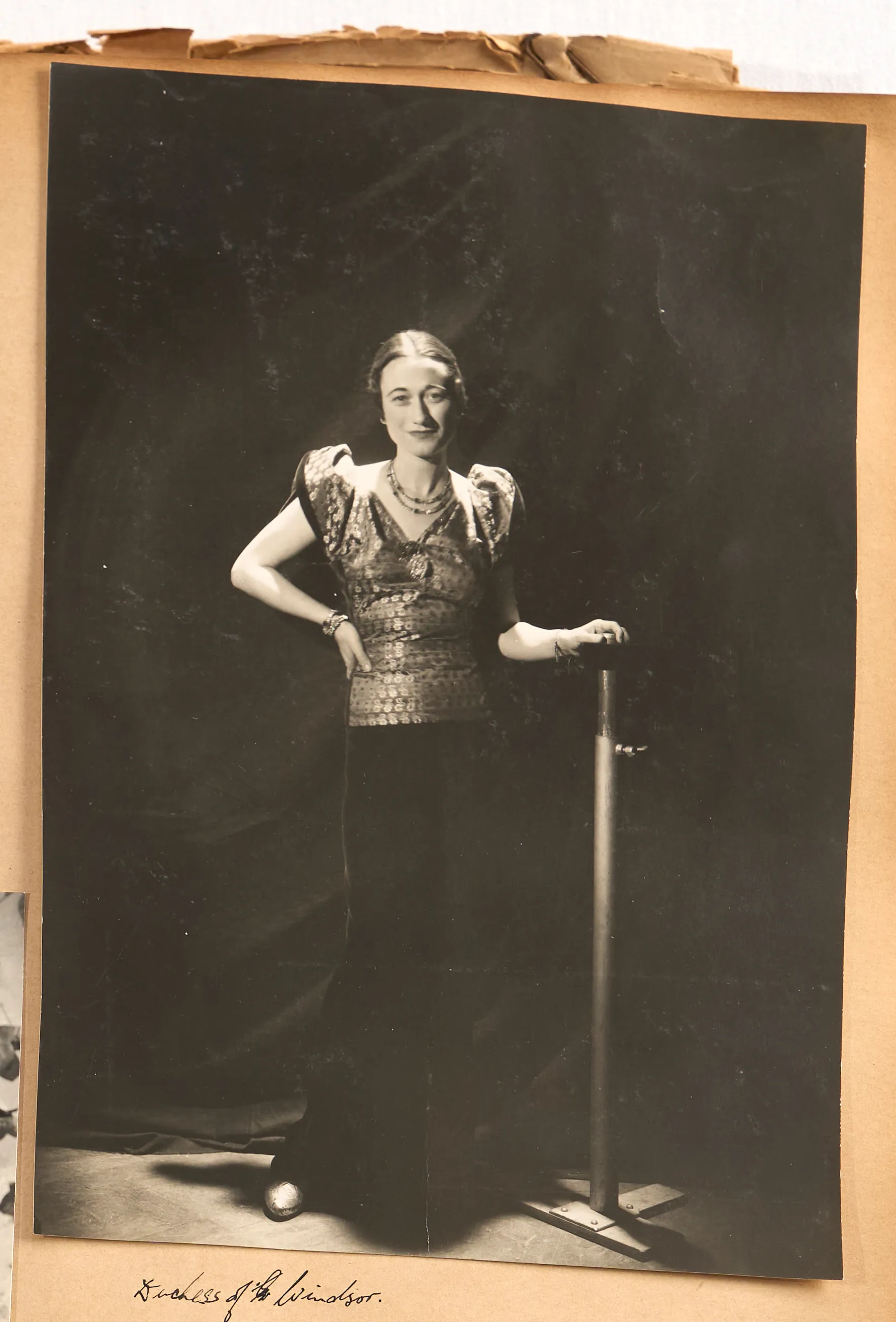 Wallis Simpson, the Duchess of Windsor
Miller had been at the heart of some of the century’s most enduring movements having worked with Man Ray in Paris in the Twenties and starred in a groundbreaking Jean Cocteau surrealist film.
Her circle of friends included Pablo Picasso, Charlie Chaplin and Leonora Carrington.
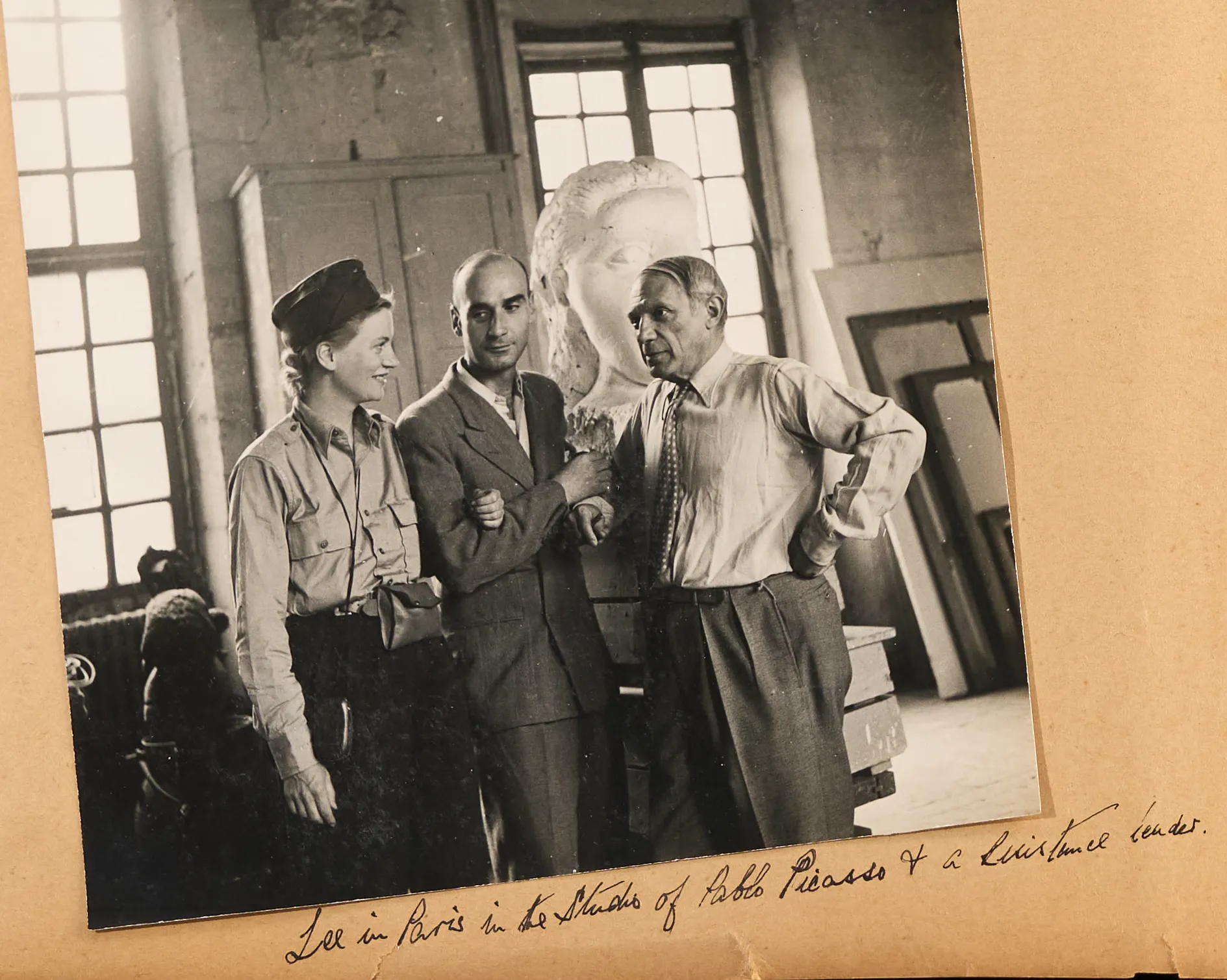 Miller with Pablo Picasso, right, in his Paris studio
In a video on Hoppen’s website, the celebrated photographer Philippe Garnier says what is “profoundly touching” about the book is its documenting of “some of the horrors of WWII and its aftermath, balanced with photographs from different areas of the arts which herald an ambition to emerge from this war with hope and possibility intact”.
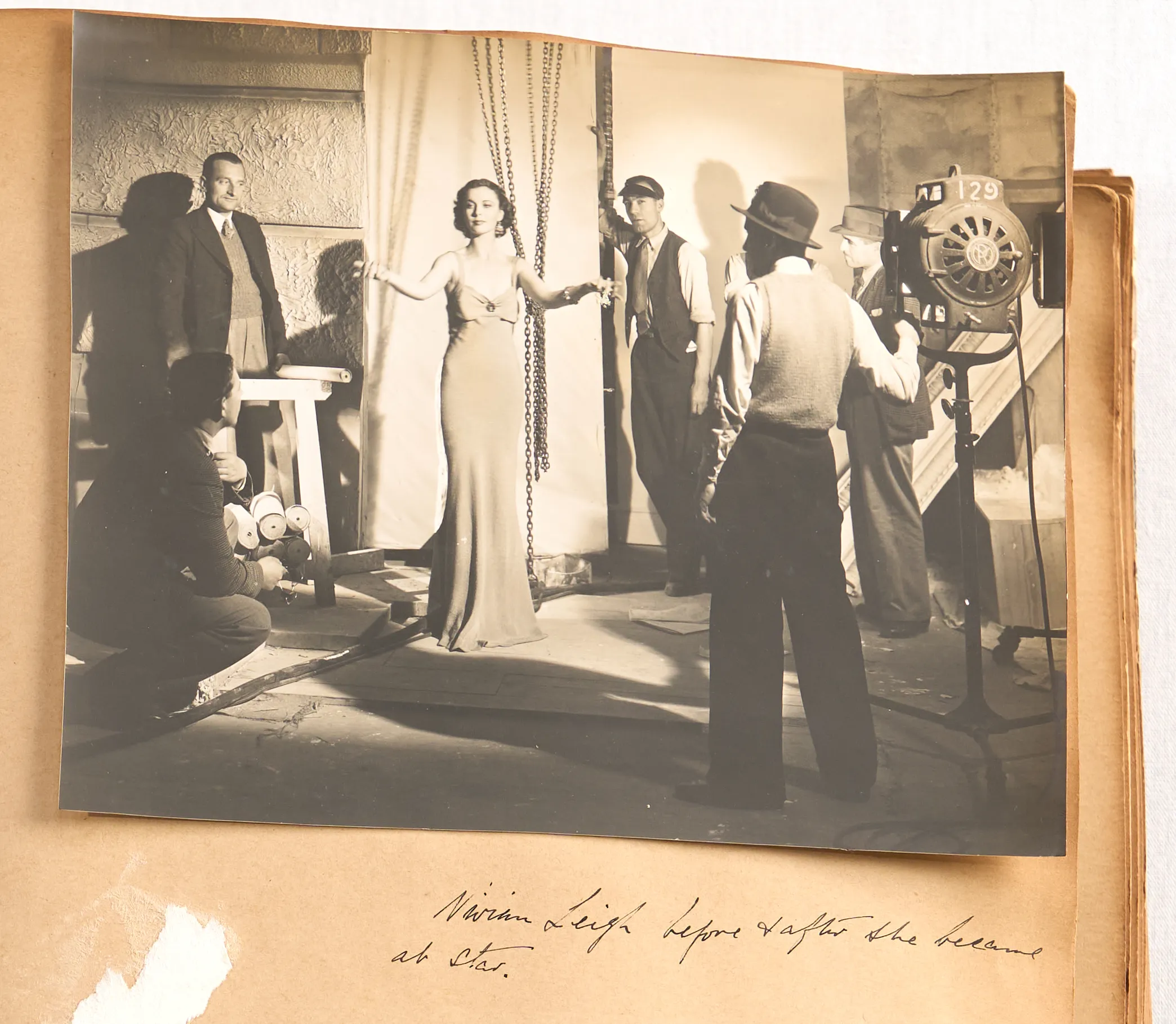 The actress Vivien Leigh
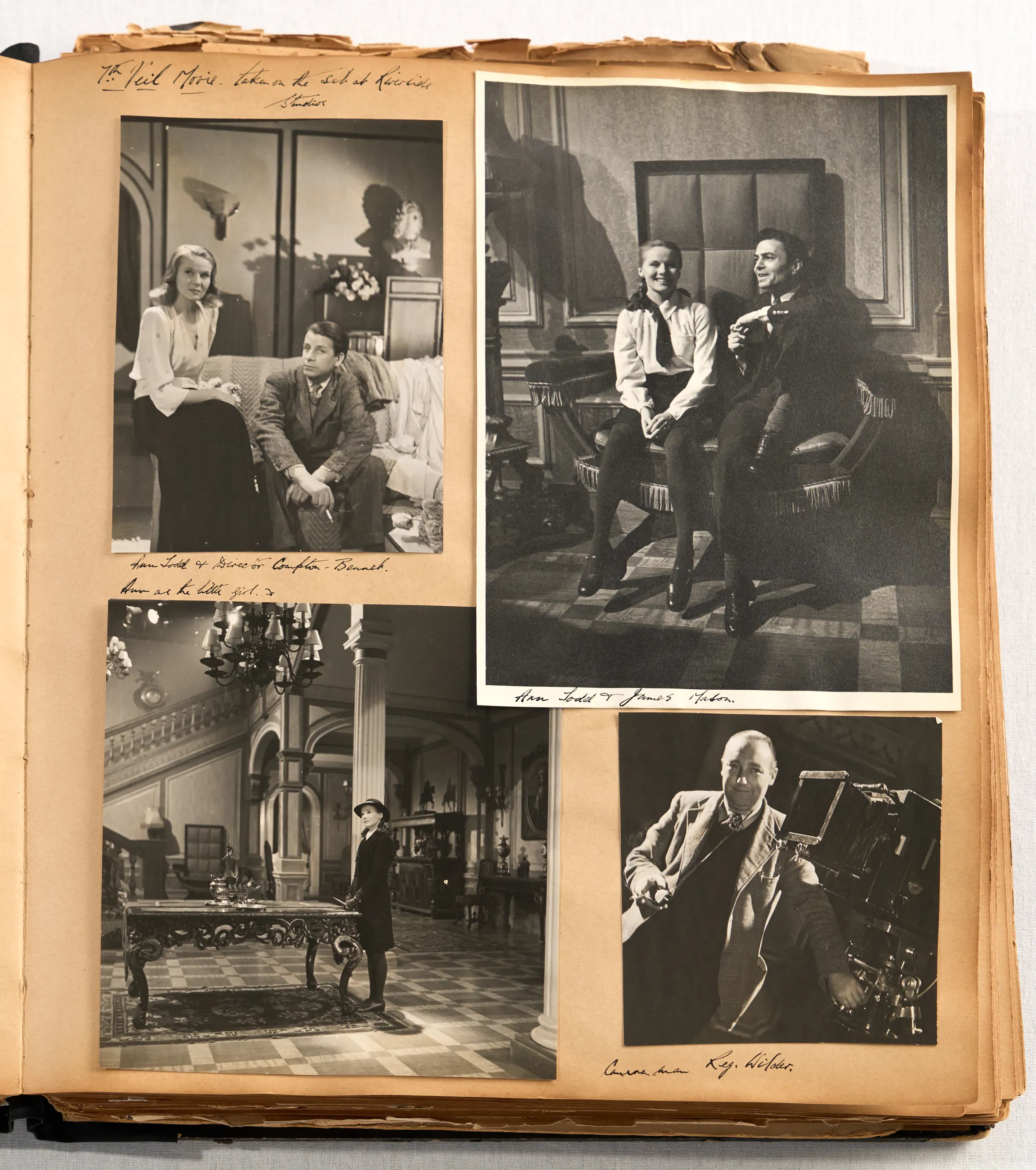 Pictures taken on the set of the film The Seventh Veil
Richard Ovenden, Bodley’s Librarian and the director of the university libraries at the University of Oxford, said the acquisition marked an important step in preserving this unique album for scholarship and in enriching our understanding of the role of photography in documenting the Second World War.”
He described it as a “highly unusual record of the relationship between a darkroom technician and two great photographers”.
Haupt’s devotion to Miller is clear from the handwritten notation at the start of the scrapbook: “This is the story of my favourite photographer Lee Miller — Vogue war correspondent who followed the American army from the beaches of Normandy, 5 days after D-Day, up to the final entry into Berlin and after that she continued her journey visiting countries that had been occupied, having many exciting experiences — here are a few of the beautiful pictures she sent back.”