
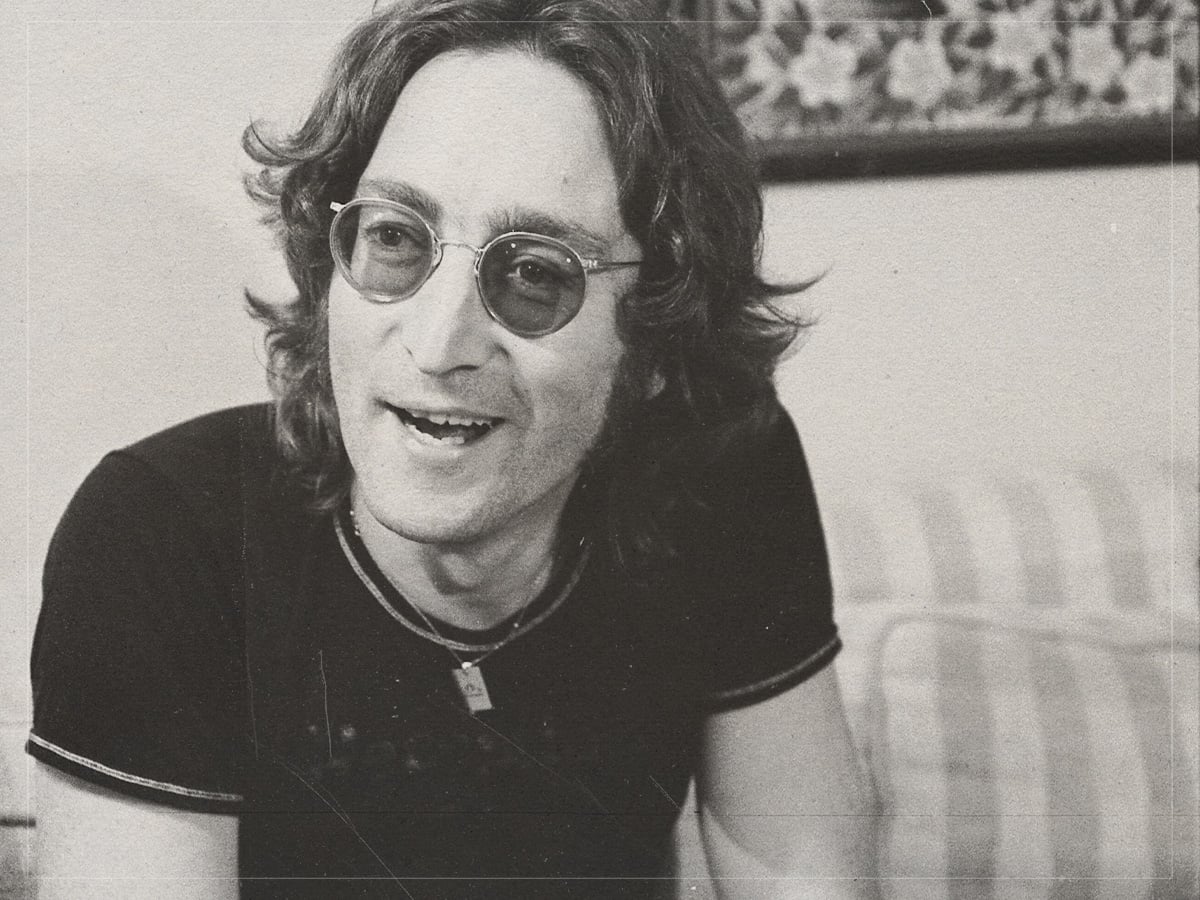
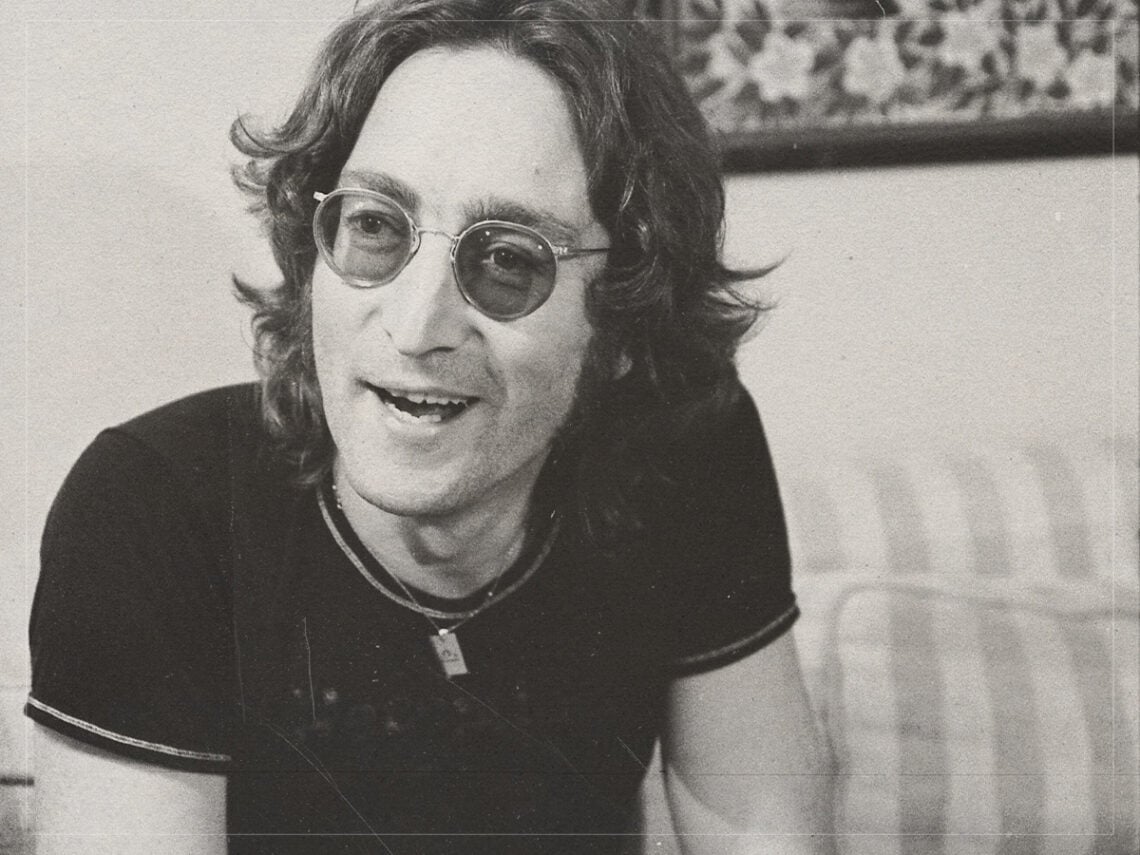
(Credits: Far Out / Tony Barnard / Los Angeles Times / UCLA Library)
Sun 5 April 2026 21:30, UK
When John Lennon first released John Lennon/Plastic Ono Band, no one really knew what to make of it. Now hailed as a masterpiece, it was back then a maelstrom of some of Lennon’s innermost darkest thoughts, many of which came as quite a surprise to the unsuspecting listener.
One of whom was Lennon’s very own former bandmate, George Harrison. Despite having worked closely with his Liverpudlian comrade for several years before the band’s split, Harrison couldn’t quite believe his ears when he first heard Lennon’s solo material, even later admitting that he hadn’t quite known the extent of his problems until he heard the record.
“As a kid, I didn’t think, ‘Oh well, it’s because his dad left home and his mother died,’ which in reality probably did leave an incredible scar,” Harrison once said. Explaining how John Lennon/Plastic Ono Band altered his view, he added that it wasn’t until he made the album about “primal screaming” that he realised “he was even more screwed up than I thought.”
Sober, Lennon was described by many of those closest to him as a calm, gentle soul who often appeared as though he had everything in order. On LSD, however, he morphed into a different beast entirely, often oversharing about his experiences growing up, relying on others, and the kicker: his relationship with his mother.
While creating John Lennon/Plastic Ono Band, Lennon had recently undergone primal therapy to help with many of these struggles, an approach he sought to channel on many of its defining tracks. A raw depiction of this can be heard on ‘Mother’, in which Lennon addresses the absence of his parents in one of his most heartwrenchingly disturbing songs, featuring one of the rawest one-liners he ever came up with: “Mother, you had me, but I never had you.”
Starting with a funeral bell that tolls rhythmically four times, the song immediately sets the scene somewhere unsettling (it’s also the album opener, the first official introduction to Lennon’s solo material), before launching into Lennon’s strained vocals and ending with the line, “Mama don’t go, daddy come home,” a line he screams repeatedly as the song fades out.
As a listener, the song lulls you into its tragic atmosphere as we witness Lennon descend slowly but inextricably into the kind of madness you rarely expect in a musical piece of art, laying his fractured soul bare in the purest, most animalistic way imaginable. It’s almost impossible to revisit, knowing the depths of pain he reached to perform the song this way, and worst of all, how he never received any worthwhile pay-off despite his guttural yearning.
This kind of honesty was also enough to both floor and terrify some of his peers and former bandmates, with Harrison suddenly seeing him in a new light, and countless others, including the master of dark artistry himself, Lou Reed, suddenly realising what real honesty in music actually meant. Supposedly, many of his fans also felt a similar sense of awe, witnessing firsthand the real man behind the face of one of the biggest bands in music history.
It was also a deeply personal move to navigate many of the same struggles he’d encountered in that legendary rock group, with songs like ‘Mother’ proving that he finally had the space and the time to address the things that had started to hold him back, for better or worse. All those years people spent thinking they had a true perception of Lennon suddenly shattered in tragic, almost unbearable ways, through the timeless beauty of some of the best material he ever created.
ADD AS A PREFERRED SOURCE ON GOOGLE  The Far Out Beatles Newsletter
All the latest stories about The Beatles from the independent voice of culture.
Straight to your inbox.