
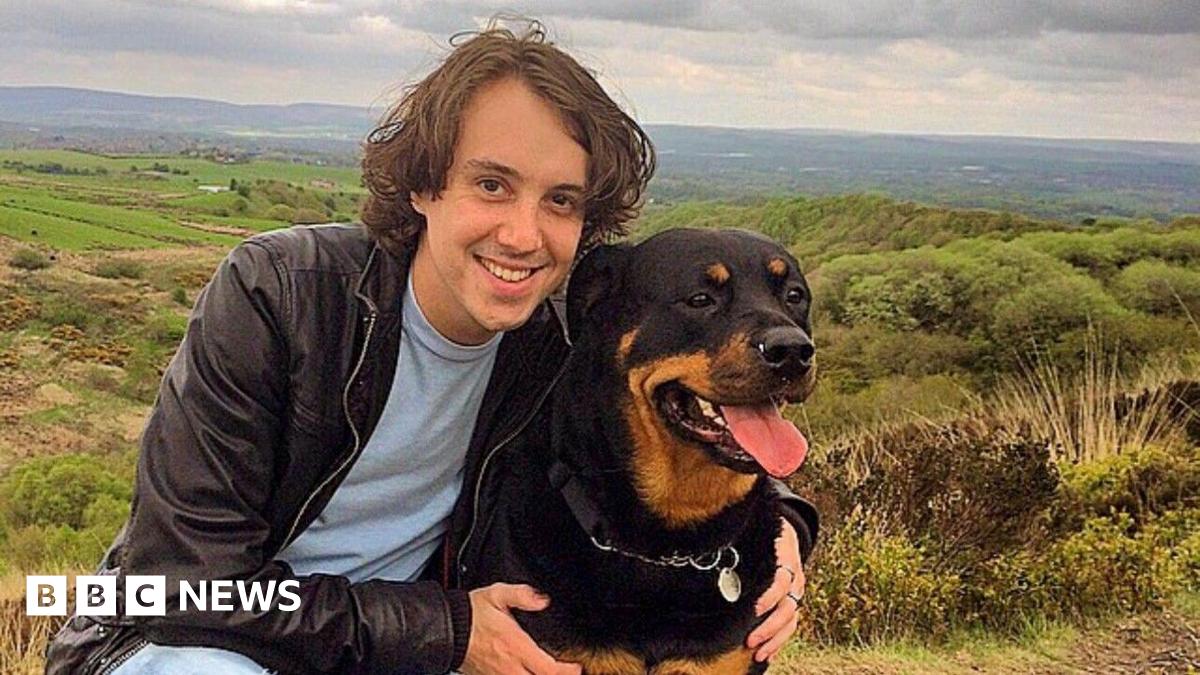
In its eight page response, Curaleaf disputed the finding that his treatment with them stopped him getting other help, saying that he had continued getting psychiatric medication from his GP and had also been seen by psychiatrists at the Priory and the NHS. It also added that it had informed his other clinicians of his treatment with them.
The response also stated that Oliver had already been using illicit cannabis before he approached the clinic for treatment, and his depression had measurably improved during his time with them.
Alexander has now launched a campaign called Oliver’s Law to tighten up regulation on prescribing medicinal cannabis, particularly to mental health patients.
It wants a ban on cannabis prescriptions for people with serious and complex mental illnesses, face to face initial consultations rather than video calls, a central NHS registry recording all cannabis prescriptions, and routine official inspections.
He is now talking to other campaign groups and MPs to push for a parliamentary debate.
“We’ve launched this campaign so that no other family has to go through the utter hell and torment that we went through for the last three years,” he said.
“If the current regulations are what allowed my brother to die then it’s the current regulations that need to change.”
In an additional statement to the BBC, Curaleaf said: “Our thoughts are with Mr Robinson’s family and everyone affected by his death.
“Curaleaf Clinic takes patient safety extremely seriously. We have made improvements to our clinical governance processes, many of which were in place before the inquest. Our detailed response to the coroner’s report is publicly available.
“Every prescribing decision at Curaleaf Clinic is made by a multidisciplinary team, not a single clinician, and is informed by an evidence base that is kept under continuous review.
“We are committed to responsible, safe practice and will continue to engage openly with regulators, clinicians and patients to provide the highest standards of care.”