
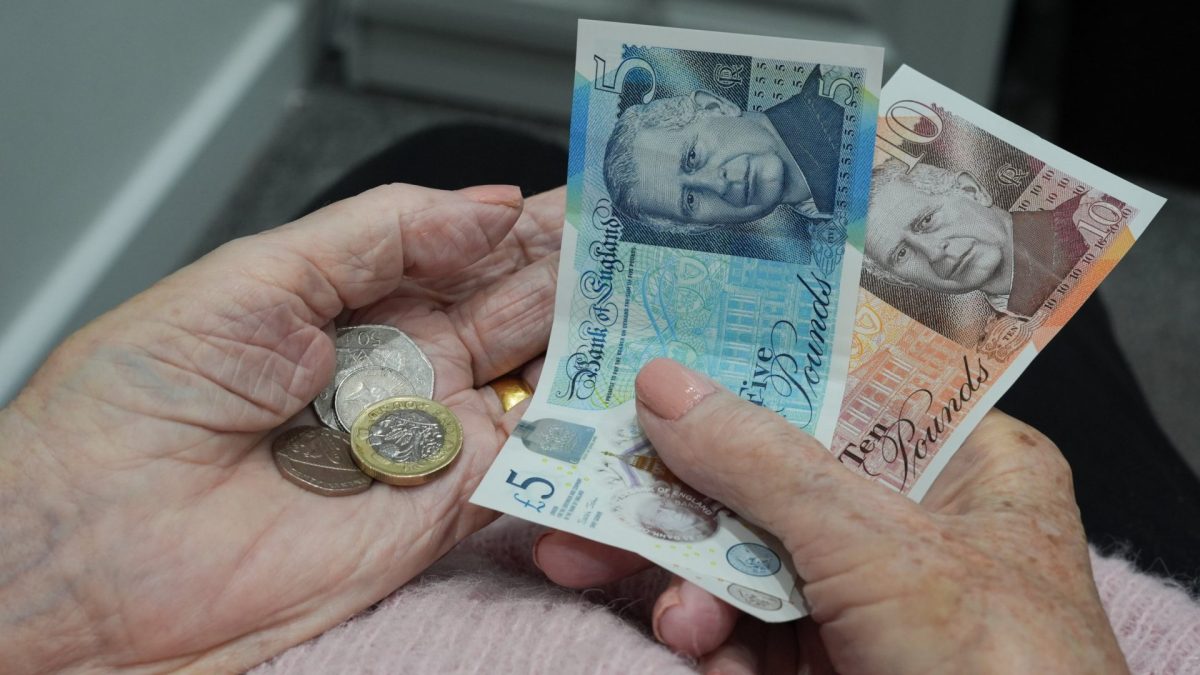
The age at which people can claim their state pension is set to rise again from this week to 67.
Currently the state pension age is 66, but from 6 April it will rise in phased increments over the course of the next two years until it hits 67 in 2028.
The increase in retirement age has come in response to a substantial rise in life expectancy over the past several decades.
The change is expected to save the Treasury as much as £10bn per year by the end of the decade.
The i Paper examines how state pension age changes will affect people.
When will your state pension age be reached?
The pension age will begin to increase to 67, beginning today with those born between 6 April, 1960, and 5 May, 1960, who will receive it when they are 66 years and one month.
The age limit will steadily increase until April 2028 – when people born on or after 6 March, 1961, will reach state pension age at 67.
Most people need to have 35 years of national insurance contributions to be eligible for their full state pension.
Zoe Alexander, executive director of policy and advocacy at Pensions UK, said: “The state pension age is rising for three reasons: improved life expectancy, to support the sustainability of the public finances and improving intergenerational fairness.”
She also warned the upcoming rise in the qualifying age may be “causing some confusion” and urged people approaching it to check they are eligible by using the pension age calculator on the gov.uk website.
Kirsty Ross, proposition director for People’s Partnership, the provider of People’s Pension, said: “The value of the state pension is essential information for millions of people, including those still in work, as it forms the foundation of retirement income for most savers.
“For those thinking about retirement, it’s also crucial to understand the age at which they can start claiming the state pension.”
Pensioners will get £575 a year boost
The increase in pension age coincides with a 4.8 per cent rise in the amount paid into pensions, in line with the increase in average wages.
These adjustments have been made due to the Government’s pensions triple-lock pledge – a promise to raise the state pension by earnings growth, inflation or 2.5 per cent, whichever is higher.
This year’s increase means that people receiving the full new state pension (for those reaching state pension age on or after 6 April, 2016) will see their income increasing from £230.25 to £241.30 per week – £574.60 per year.
Those on the full basic state pension (the core amount under the old state pension system) could see their weekly payment rise from £176.45 to £184.90 – which equates to £439.40 extra per year.
Discussing the changes, pensions minister Torsten Bell said: “After a lifetime of work and contribution, people deserve a decent retirement.
“Raising the state pensions faster than prices, ensuring it is a pension they can rely on, is how we make that a reality for millions.”
Fears changes could result in ‘higher poverty rates’
Between 1948 and 2010 the state pension age sat at 65 for men and 60 for women – with the age for women raised to 65 between 2010 and 2018.
Some commentators warn that the latest age increase will adversely affect the poorest pensioners.
Laurence O’Brien, senior research economist at the Institute for Fiscal Studies, told the BBC: “The people most affected are often those least able to adjust through staying in work or drawing on other savings, for example those already out of work or in poor health.
“There is a good case for future increases to the state pension age to come alongside targeted financial support for most affected groups.”
“It makes sense to increase the state pension age in response to the public finance pressures caused by an ageing population, as the fiscal savings are significant.
“But it does reduce household incomes and therefore leads to higher poverty rates for affected age groups.”
How you can ensure retirement plans are not affected by changes
Pensions UK has warned that the changes may mean the finances of people planning to retire at 66 could be affected.
The trade association, which works to improve pensions, has put together these tips to help people navigate the changes:
Some people may find if they were planning to end work at 66 but their state pension age is higher, they may face an unplanned period between their last pay packet and their first state pension payment. To help bridge the financial gap, people could use savings, emergency funds or work for an additional few months.
Remember retirement planning is not a “set once and forget” exercise. Checking in on pension forecast, savings and state pension age once a year can prevent shocks later in life.
Pensions UK regularly updates its retirement living standards, which help people to understand whether they are on track to have the lifestyle they expect in retirement.
“Mid-life MOTs” – a review for people aged 45-65 in the UK to assess their work, health and finances – or action plans can also help people to sense-check whether their retirement plans are realistic. Once people know their retirement date, they should establish if they have a gap and make a simple plan so they can take control of their retirement.