
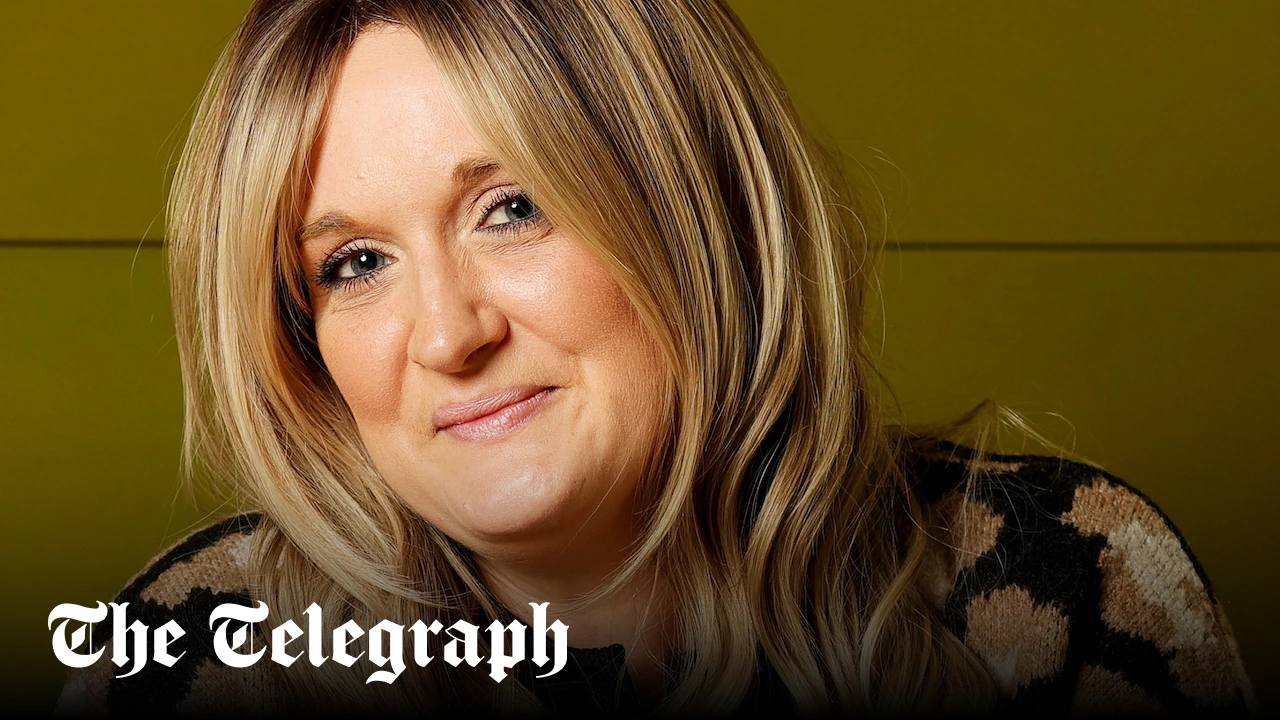
Spooner responded well to treatment and, while not wishing to go through chemotherapy again, is grateful for the “midlife crisis” which prompted her to take up rugby aged 40. “I was the strongest and fittest that I’d ever been,” says Spooner, whose two children play in Medway’s junior section. “I was starting to really enjoy my rugby. I was losing weight, but I put that down to getting fitter. But the chemotherapy was still tough. The toughest thing was signing each consent form on the side-effects you could get.”
A diagnosis of triple negative breast cancer (a relatively uncommon but aggressive form of the disease) caused by the BRCA1 mutation meant she opted for a double mastectomy to eliminate the chance of the cancer returning. In the future, she is likely to have her ovaries removed, too, as the same gene increases the risk of developing ovarian cancer.
After having breast reconstruction implants and getting the all-clear in January this year, she has plans to return to the rugby pitch, if her body is able. “I know my fitness isn’t there,” Spooner says. “The chemo did affect my heart a bit – my heart rate is still a bit higher than what it was – and chemotherapy can alter the bone density so for a contact sport, that’s not ideal. I’d like to get back to training, even if it’s controlled. When I had my implants put in, I wanted to know how long they last and if I can play rugby with them. They said I could, but we’ll wait and see.”
Still, the prospect of her sharing a pitch with Ali – this time on the same side – is heartening, given how their lives unexpectedly collided at the right place and right time. “It’s mind-boggling to me that everything lined up perfectly for that interaction to happen,” Ali says. “I think about that and it’s crazy. What if I had gotten her face? What if she managed to wrap her arms around me, or if we had played on the same team that day? None of it might have happened.”
To that end, Spooner counts herself as one of the lucky ones, but wants to use her story to warn younger women to check their breasts for lumps. “What’s really scary is that in the six months I was on that chemo ward, there weren’t many women over the age of 50,” she says. “They were all younger than me. I was considered one of the oldest, at 42. There were a lot of women who were in their late 20s, 30s suffering from this.”