
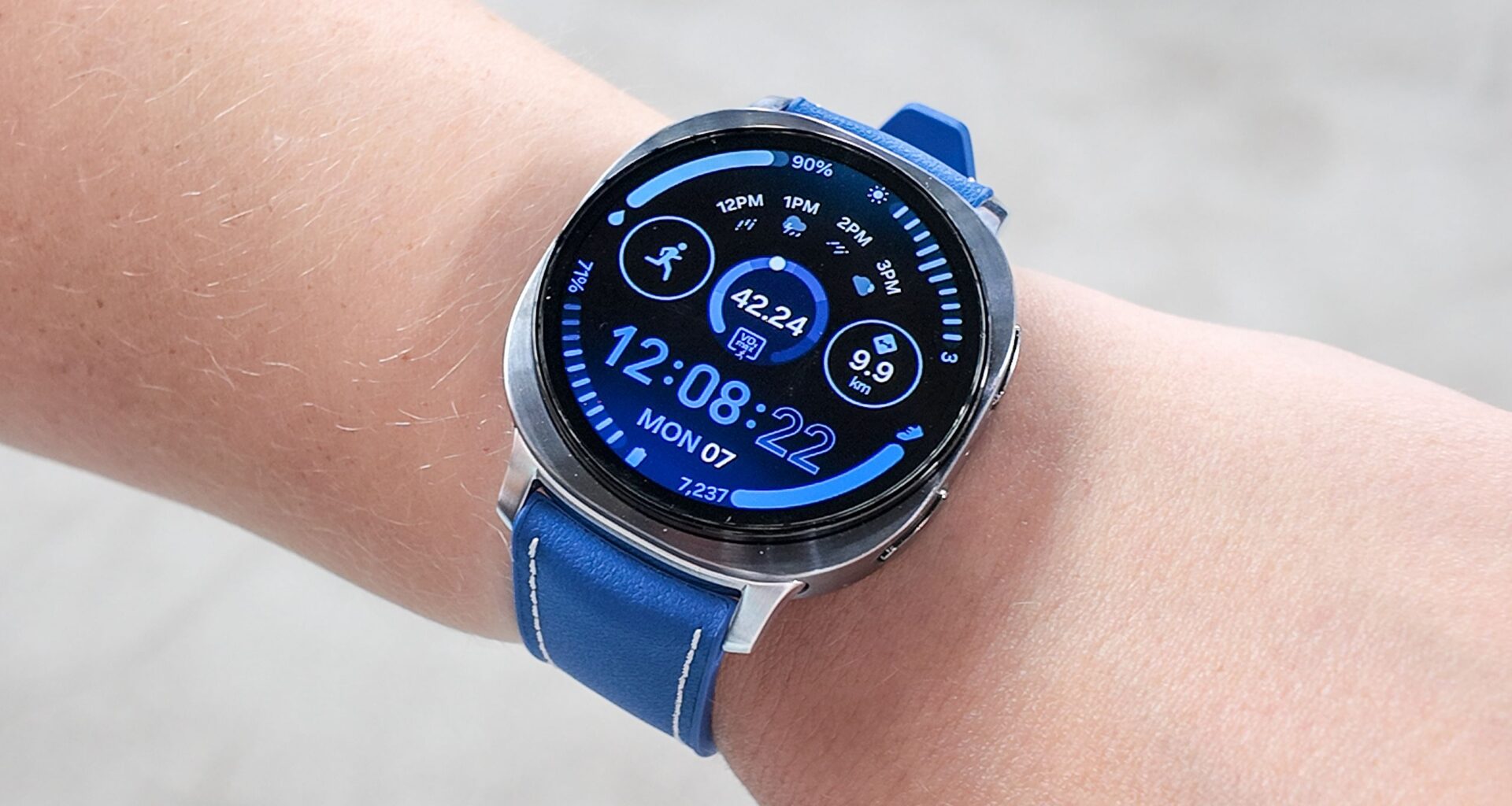
Samsung usually kicks off what I refer to as ‘Smartwatch Launch Season Palooza’, in late July, with the competition — including favorites from our best smartwatch list — following suit in the weeks following.
If 2026 is anything like the past several years, you can probably expect the new Samsung Galaxy Watch 9 — and possibly the Galaxy Watch Ultra 2 — to make a mid-summer appearance, likely followed by the debut of a Google Pixel Watch 5 in late August and an Apple Watch Series 12 in mid-September.
Article continues below
You may like
Samsung Galaxy Watch 9: Price and release date predictions
(Image credit: Tom’s Guide)
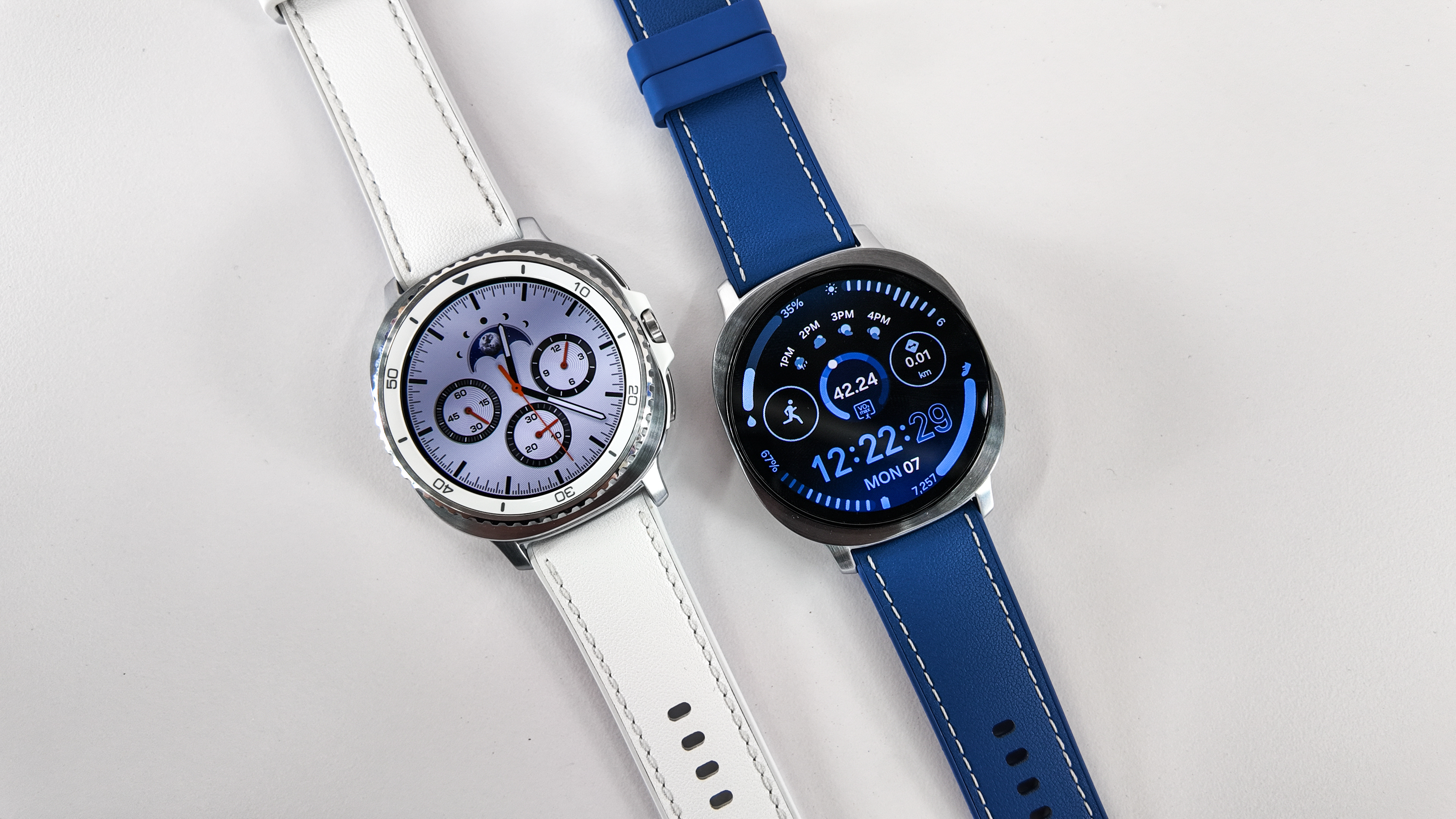
While no official Samsung launch event has been announced for summer 2026, one will almost certainly take place in July or early August. I expect the Samsung Galaxy Watch 9 and maybe the Ultra 2 to debut alongside the new Galaxy Z Fold 8 and Galaxy Z Flip 8 handhelds.
Samsung upped the starting price of last year’s model, the Galaxy Watch 8, to $349, for an increase of $50 versus the Galaxy Watch 7. This puts it in line with the starting cost of the Google Pixel Watch 4. However, it’s still $50 cheaper than the lowest-cost Apple Watch Series 11.
For 2026, I don’t anticipate any further price increases for the Galaxy Watch 9 series. The Galaxy Watch Ultra 2, however, might end up costing a bit more than 2024’s model, which debuted at $649. Keep in mind, the Apple Watch Ultra 3, its nearest competitor, starts at $799.
Samsung Galaxy Watch 9: Possible tech upgrades
(Image credit: Dan Bracaglia/Tom’s Guide)
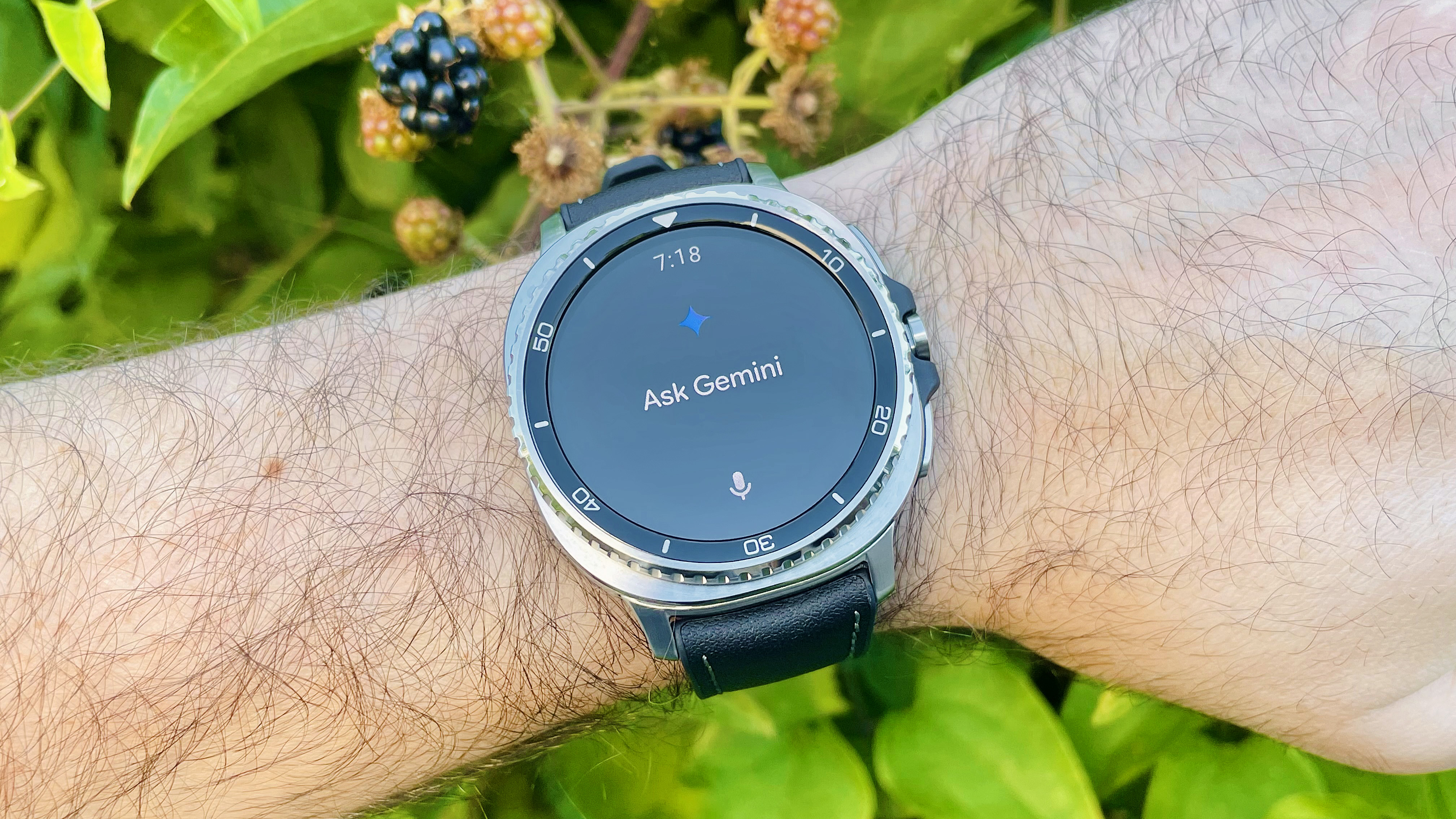
While Google is rumored to be ditching Qualcomm chips for the next-gen Pixel Watch 5 in favor of an in-house designed Google Tensor chip, Samsung is allegedly doing the exact opposite.
The Galaxy Watch 8 series uses Samsung’s Exynos W1000 chipset. However, an insider report, first covered by SamMobile, claims that the Galaxy Watch 9 and/or Ultra 2 might instead sport a Qualcomm Snapdragon Wear Elite chipset, which, in theory, might support headier on-device AI tasks — rather than handing them off to a paired phone — with better power efficiency than the prior generation of Galaxy Watches.
There are also reports that the Galaxy Watch 9 and/or Ultra 2 might support 5G connectivity. Apple surprised last year by bringing 5G to the entire lineup of watches, including the entry-level Apple Watch SE 3, so it seems plausible that Samsung will follow suit.
(Image credit: Tom’s Guide)
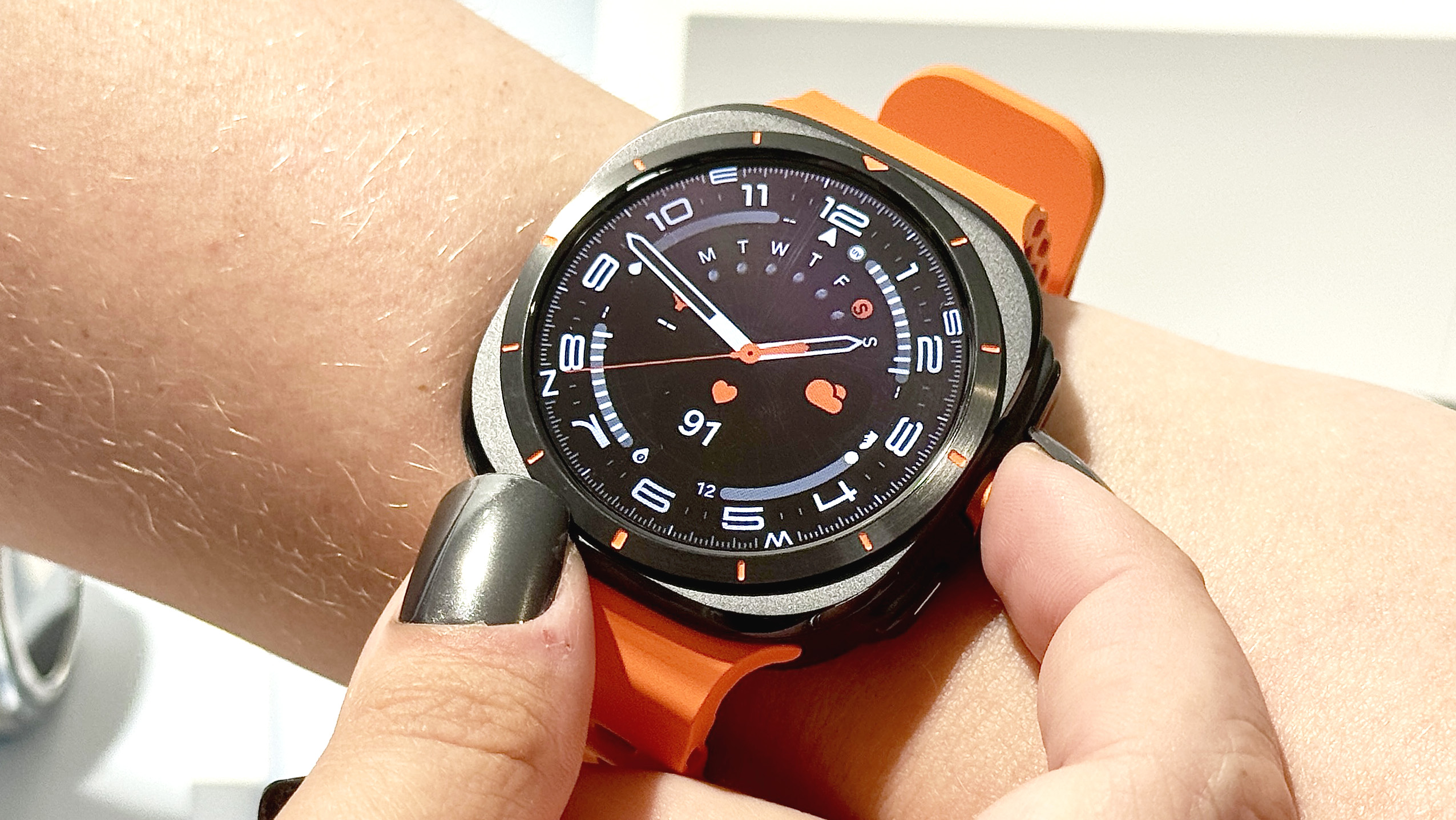
Another insider report, this time from Smartprix, suggests that the onboard 3-in-1 BioActive health sensor array will see some sort of update, which could result in better accuracy for metrics like heart rate, tracking sleep stages, and detecting chronic conditions like sleep apnea and AFib.
What to read next
There have also been murmurs of non-invasive blood glucose monitoring — a smartwatch holy grail feature — launching on the next-gen Galaxy Watch series, but with little concrete evidence to go by, I suspect that the tech is not quite ready for prime time.
Speaking of wellness, expect AI to play an even bigger role in interpreting your holistic data and making recommendations.
Samsung Galaxy Watch 9: Design, display and battery rumors

(Image credit: Tom’s Guide)
Samsung shifted the core Galaxy Watch series over to its circle-ish-square case design format, first introduced on 2024’s Galaxy Watch Ultra, and I don’t expect the Galaxy Watch 9 or the Ultra 2 (if it exists) to look much different than their predecessors.
But what about a Galaxy Watch 9 Classic? I’m disappointed to report, dear reader, that as of writing, it doesn’t appear that a clicky bezel-sporting variant of the Galaxy Watch 9 is in the cards, but, hey, I could be wrong!
Maximum screen brightness has been steadily increasing over the past several generations of Galaxy Watch, and while there’s a chance we’ll see the Galaxy Watch 9 top out at 4,000 nits — a 1,000-nit increase over the prior generation — I suspect that any brightness increases will be exclusive to the Galaxy Watch Ultra 2. For reference, the current-gen Galaxy Watch Ultra also boasts 3,000 nits of max brightness.
Insiders suggest that battery capacity, at least for the larger 44mm Galaxy Watch 9 model, will be about the same as the 44mm Galaxy Watch 8, 435 mAh. However, improved processing efficiency might make the newer model a little longer lasting than the previous-gen, which averages roughly 30 hours per charge (non Classic).
Samsung Galaxy Watch 9: Outlook

(Image credit: Dan Bracaglia/Tom’s Guide)
Ultimately, the Galaxy Watch 9 will likely look just like the Galaxy Watch 8, but an updated processor might unlock new AI-powered features and holistic tools. We also may see a slight battery life increase, along with improved onboard health-tracking tech.
No leaks or reports hint at a Galaxy Watch 9 Classic model, but a replacement to the tough-built, oversized Galaxy Watch Ultra is quite possible. Similar to the Galaxy Watch 9, an Ultra 2 will likely look similar to its predecessor, but potentially offer new, advanced wellness, fitness, and AI features.
What possible new features or specs are you hoping for most when the Samsung Galaxy Watch 9 and Galaxy Watch Ultra 2 debut? Let me know in the comments below.

Follow Tom’s Guide on Google News and add us as a preferred source to get our up-to-date news, analysis, and reviews in your feeds.
More from Tom’s Guide