
By Garima Johar
Updated:Apr 06, 2026
 Share
Share
From high-protein chips to whey-spiked wafers, are you actually eating smarter or just buying into clever labels? To know what’s really right for your body, what are the ingredients that you should check before buying the protein-packed processed foods? This World Health Day, read through this Slurrp exclusive interview with a nutritionist and make an informed decision.
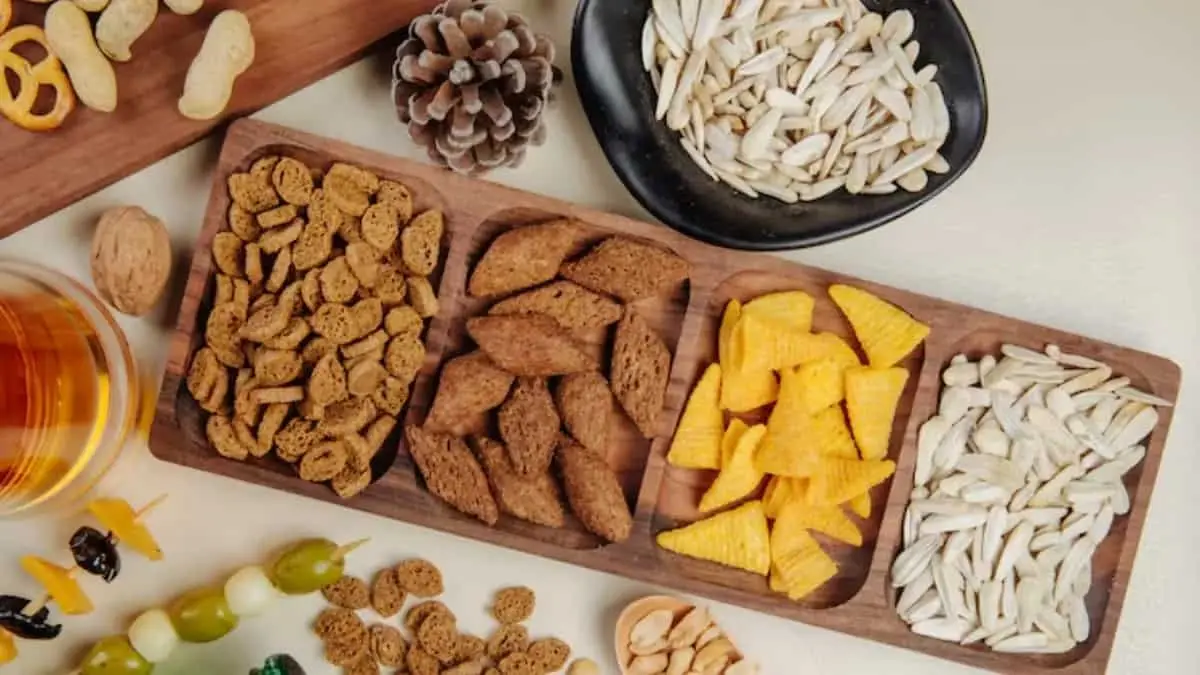

Image Credit: Freepik
Slurrp: What are the top three hidden ingredients that typically sneak into these protein-fortified snacks?
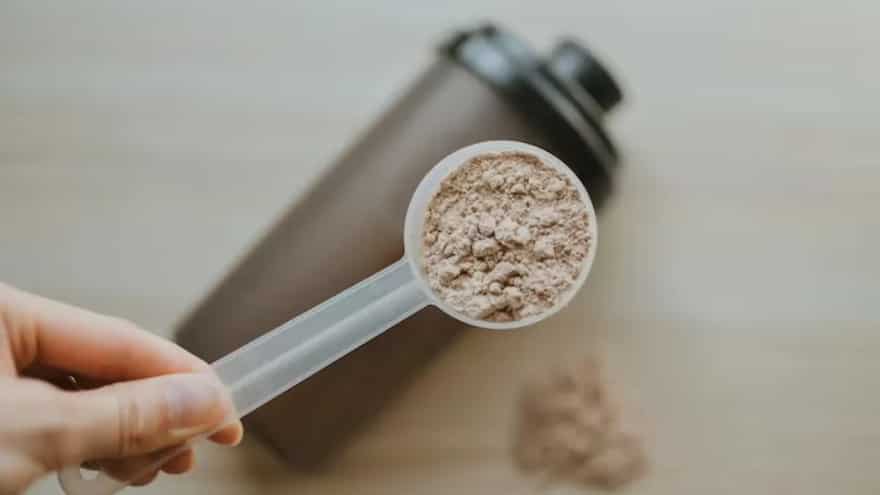
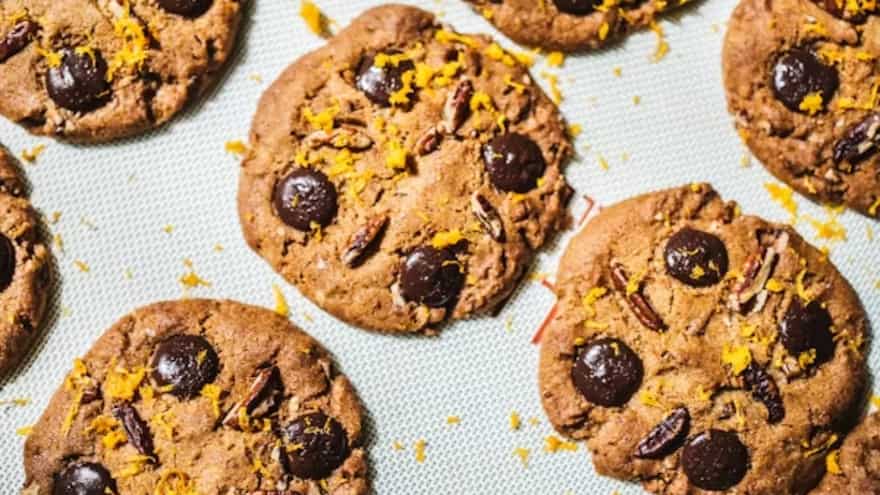
Isolated protein powders (soy protein isolate, whey solids)Added sugars or sugar alcohols (maltitol, sorbitol, high fructose corn syrup)Refined starches/flours (maida, corn starch)
All of these can impact gut health, insulin response, and overall metabolic health.
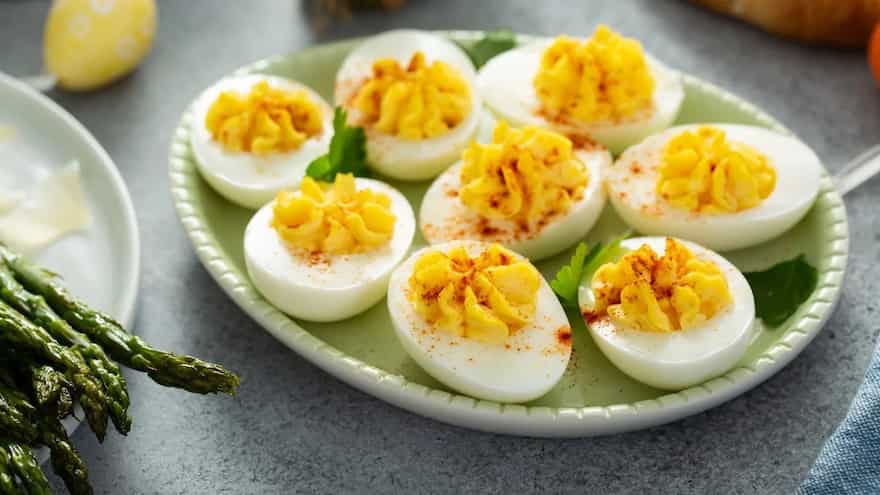
Image Credits: Adobe Stock
Slurrp: How do these packaged protein snacks compare with traditional protein sources?
Prachi Mandholia: Traditional protein-rich options like dal, paneer, eggs, and chana provide not just protein, but a better amino acid profile, fibre, vitamins, minerals, and natural satiety. In contrast, packaged protein snacks rely heavily on isolates such as whey or soy protein, offering fragmented nutrition without the benefits of whole foods.
Slurrp: If someone is craving that crunch, what are some cleaner options?
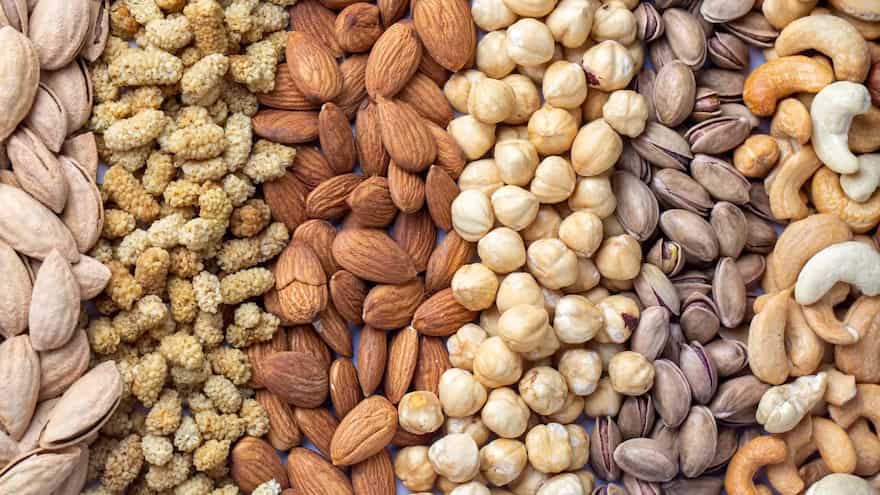
Image Credits: Adobe Stock
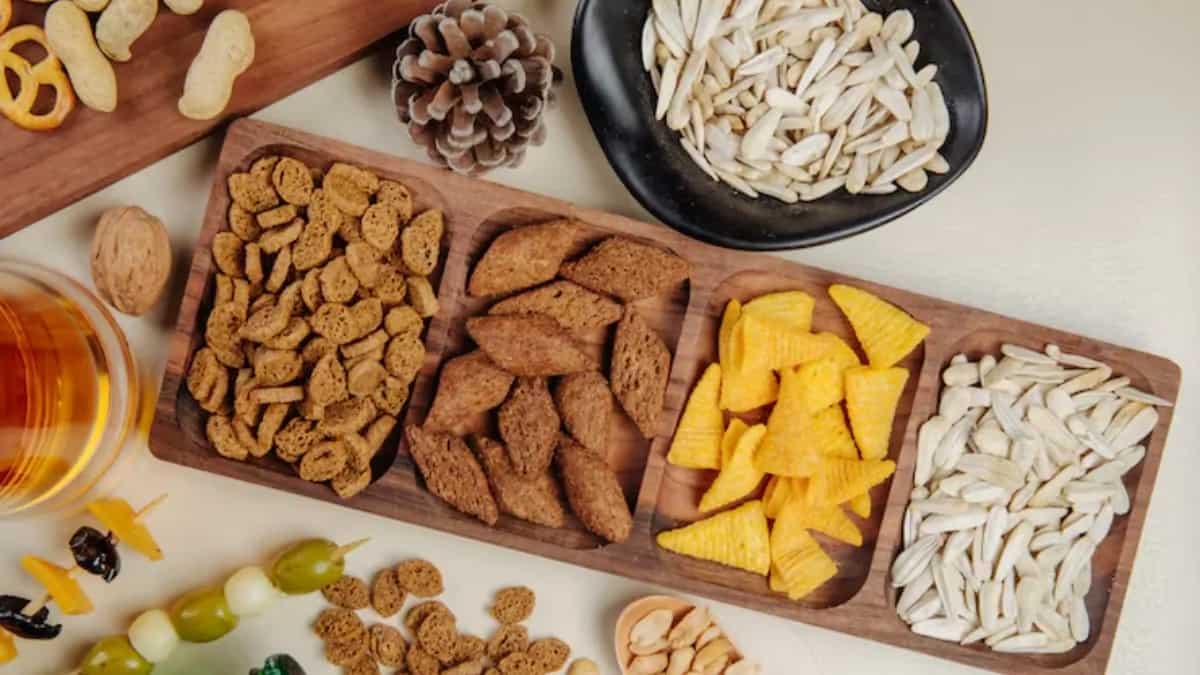
Prachi Mandholia: For those craving something crunchy, there are far better, minimally processed options available. Roasted chana, nuts & seeds mix, roasted chana jor garam, moong khakhra, roasted edamame beans, oven-baked crunchy chana offer a satisfying crunch along with protein and fibre without adding the chemical baggage.
Slurrp: If someone picks up a“high-protein” product, what’s a quick checklist they should follow before buying it?
Prachi Mandholia: The answer lies in asking a few simple questions before buying: