
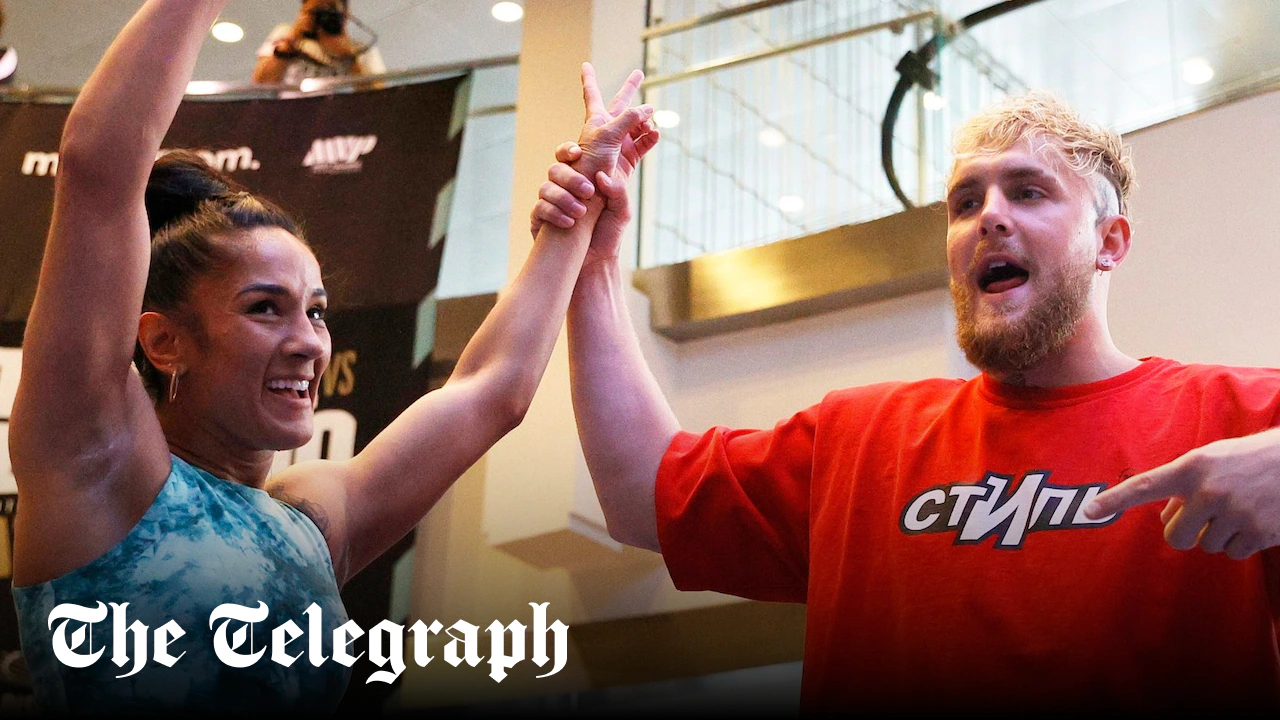
Critics still point to Paul’s YouTube origins and his penchant for circus-act spectacles. But while traditional promoters have often treated women’s boxing as a charitable footnote or a lost leader, MVP is giving it a makeover as the primary product.
Paul’s argument is that MVP can own the space because the women can be better stories, better technicians and want it every bit as much as their male counterparts. Securing deals with broadcasters Sky Sports and ESPN+ for its MVPW (Most Valuable Promotions Women) brand has solved the visibility crisis.
For example, Cameron, arguably the most-avoided woman in the ring after her two fights with Taylor, has found a home at MVP. Her move up to capture the WBO super-welterweight title against Michaela Kotaskova was a statement, and the addition of Mayer to the roster makes for another terrific main event.
MVP now has the promotional muscle to ensure the big fights, the rematches and the unifications, actually happen. Moreover, Bidarian, the chief executive of MVP, told Telegraph Sport that the company also aims to “capture a generation of new fans, many of them young women, who will be inspired” by this emerging group of fighters.
Even those outside the immediate MVP stable are feeling the heat of the rising sun. Price, the Olympic gold medallist and Wales’s first female world champion, continues to operate with a professional serenity that is frightening.
Her recent shut-out victory in Cardiff over Stephanie Pineiro confirms her status as a generational talent. While Price currently marches to her own beat, under promoter Ben Shalom’s BOXXER organisation, the MVP’s purses and promotion means that the bar has been raised for everyone.