
A fifth of the world’s energy shipments usually transits through the Strait of Hormuz, which has been effectively closed by the threat of Iranian attacks in retaliation to a bombing campaign by the US and Israel.
The conflict has caused the price of crude oil to spike, with sharp increases in petrol and diesel costs, leading to concerns about the cost of living in countries across the world.
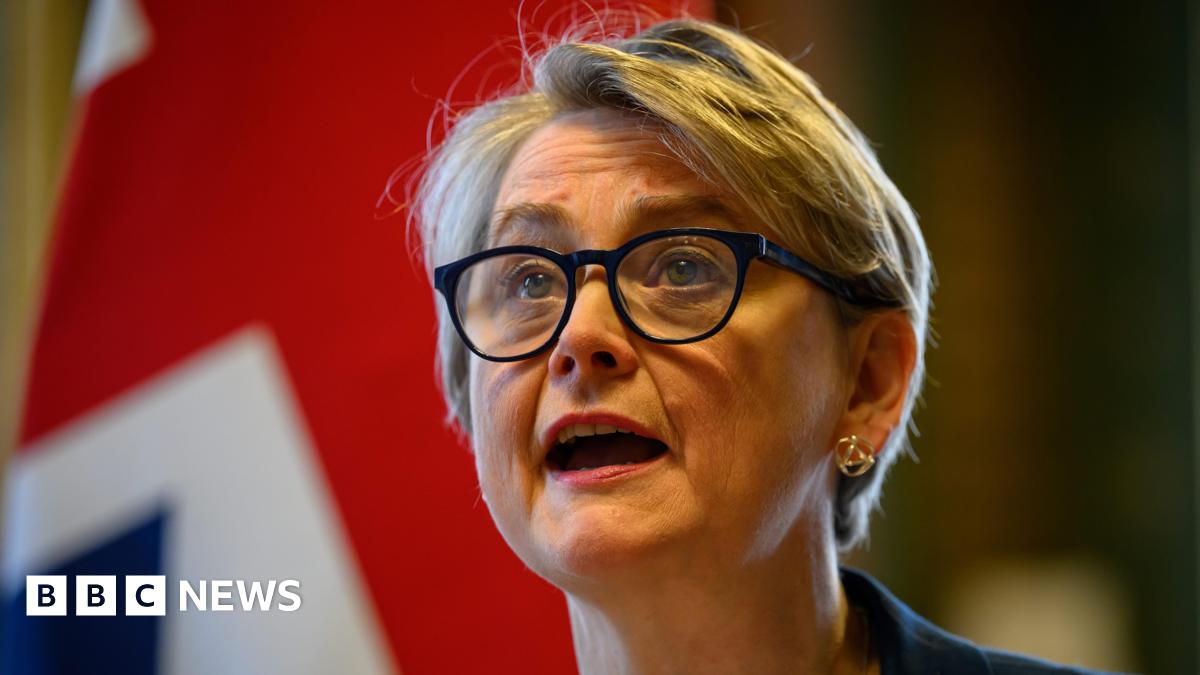
Cooper, who will deliver her annual speech on UK foreign policy priorities on Thursday evening, said no country should be able to “hijack” international shipping routes “in the way that Iran has”.
She told BBC Breakfast: “That’s why it’s so important that we have this international cooperation to keep up the pressure to get the Strait fully open – not to have tolls, not to have restrictions, but to get that fully reopened again.”
She said Gulf countries have been “very clear about the damage tolls would do” to international trading routes.
Cooper also said in “many of the conversations” she has had with the US administration “they have also said how damaging that they think this would be”.
Ministers accept the real decisions lie in the hands of the US and Israel – and the foreign secretary has urged them to include Lebanon in the ceasefire deal.
Cooper said she was “extremely concerned about the escalation of Israeli strikes” on Wednesday, adding: “We want to see Lebanon urgently included as part of the ceasefire, building on the ceasefire that’s been announced, we want to see an end to the hostilities in Lebanon.”
Pakistan – which acted as an intermediary in the ceasefire talks – and Iran said the deal covered Lebanon, where Israel has been fighting the Iranian proxy Hezbollah.
But Israel and the US have said the two-week ceasefire does not include Lebanon.