
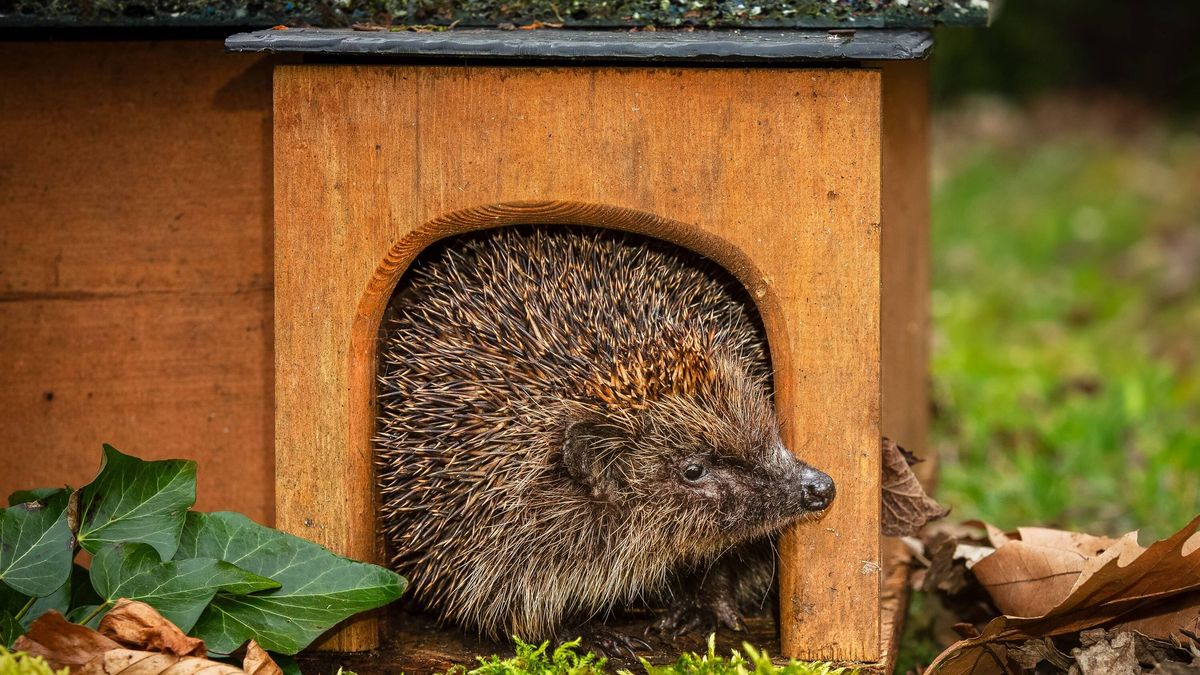
As hedgehogs emerge from hibernation in March and April, discover simple ways to create a hedgehog-friendly garden – from nesting to feeding
07:00, 09 Apr 2026Updated 08:31, 09 Apr 2026
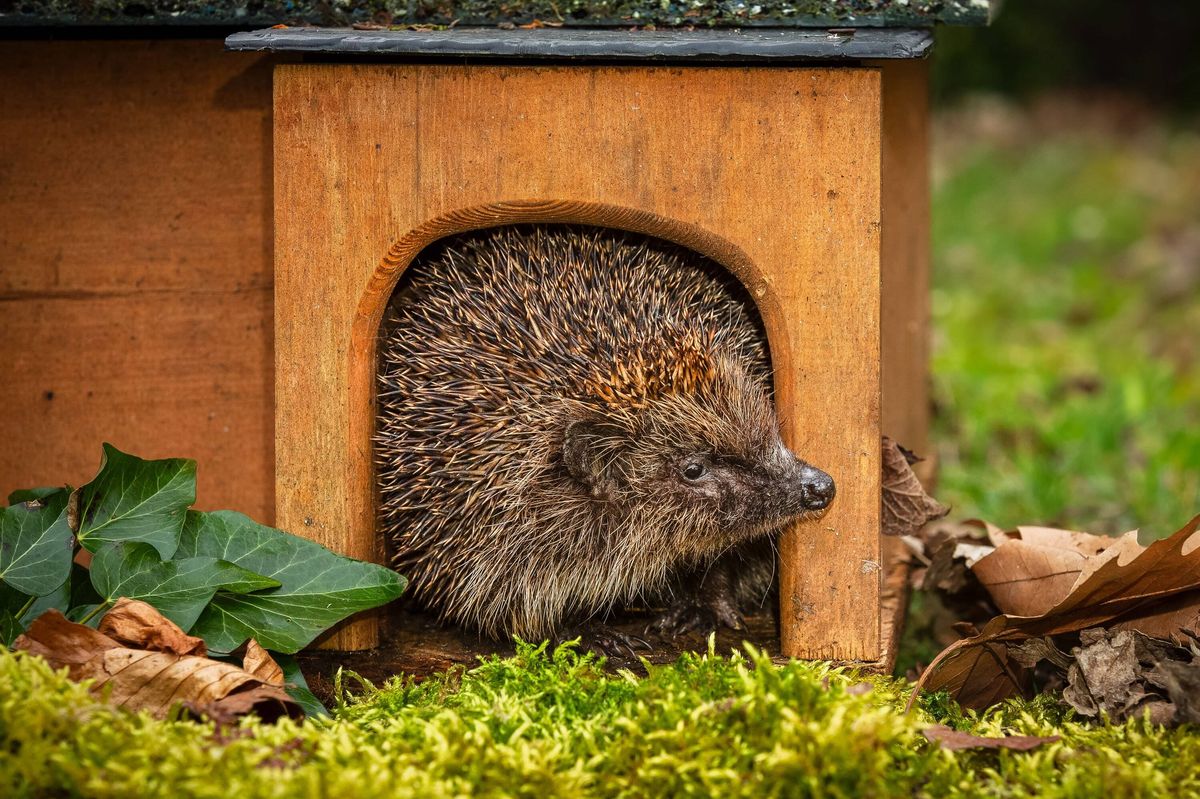
Hedgehogs are now out of their winter hibernation(Image: Getty)
Now that spring has arrived, our favourite wildlife is beginning to reappear, but if you’re hoping for a closer encounter, there are a few straightforward steps you can take to make your garden more welcoming.
Hedgehogs spend the winter months in hibernation before emerging again around March and April, so you can expect to start spotting these adorable creatures in your roads and gardens once more.
Upon waking, they’re typically ravenously hungry, having shed a significant amount of body weight during their slumber, and that’s when their foraging instincts kick in. They embark on a determined search for food, water, and snug nesting spots.
Sadly, hedgehog numbers have been declining sharply, and the fragmentation of their natural habitats has made survival increasingly difficult for them.
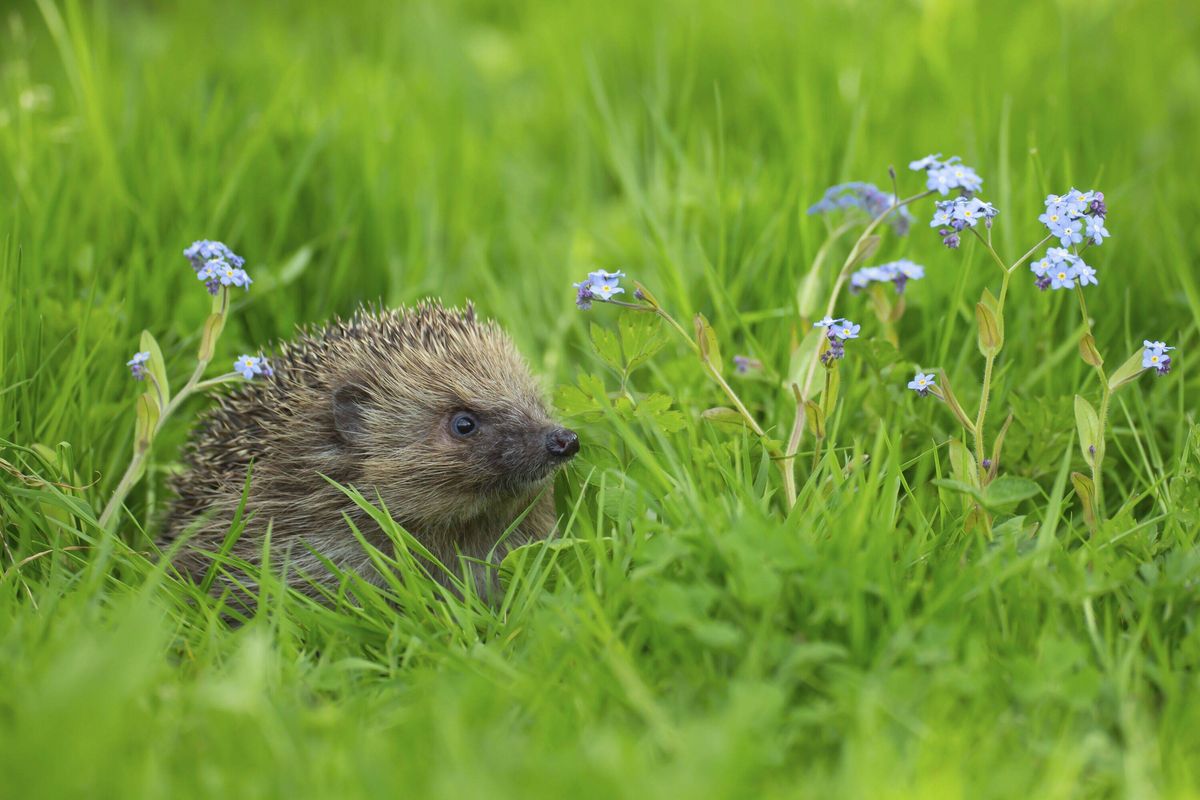
Hedgehogs eat invertebrates like beetles, worms and caterpillars(Image: Getty)
The construction of roads and motorways has encroached upon natural habitats, while the widespread use of pesticides has depleted their food sources. Furthermore, in urban areas, walled and fenced-off gardens prevent them from roaming freely between properties to forage and nest.
With all this in mind, there are meaningful steps you can take to lend these delightful woodland creatures a helping hand, by making your garden an attractive haven for them this spring.
Attracting hedgehogs to your garden
One of the simplest yet most effective things you can do for hedgehogs is ensuring they can access your garden freely. This doesn’t require demolishing your fencing, but merely creating small gaps for them to pass through at will.
GardenersWorld recommends cutting a hole as small as 13cm x 13cm at the base of your fence, essentially establishing a miniature hedgehog highway.
For those with larger gardens, there’s nothing to stop you creating several openings, and joining forces with neighbours to do likewise can enable hedgehogs to travel greater distances.
Should you want them to feel settled enough to take up residence in your garden, you could even go so far as to build a hedgehog house — the ideal sanctuary to keep them safe and warm.
Gardening experts recommend covering it with plastic sheeting and adding a layer of leaves, along with an entrance tunnel just large enough for them to squeeze through. This combination should help deter predators from gaining entry, and positioning the makeshift shelter beneath a north-facing hedge in a secluded spot will provide the safest possible location.
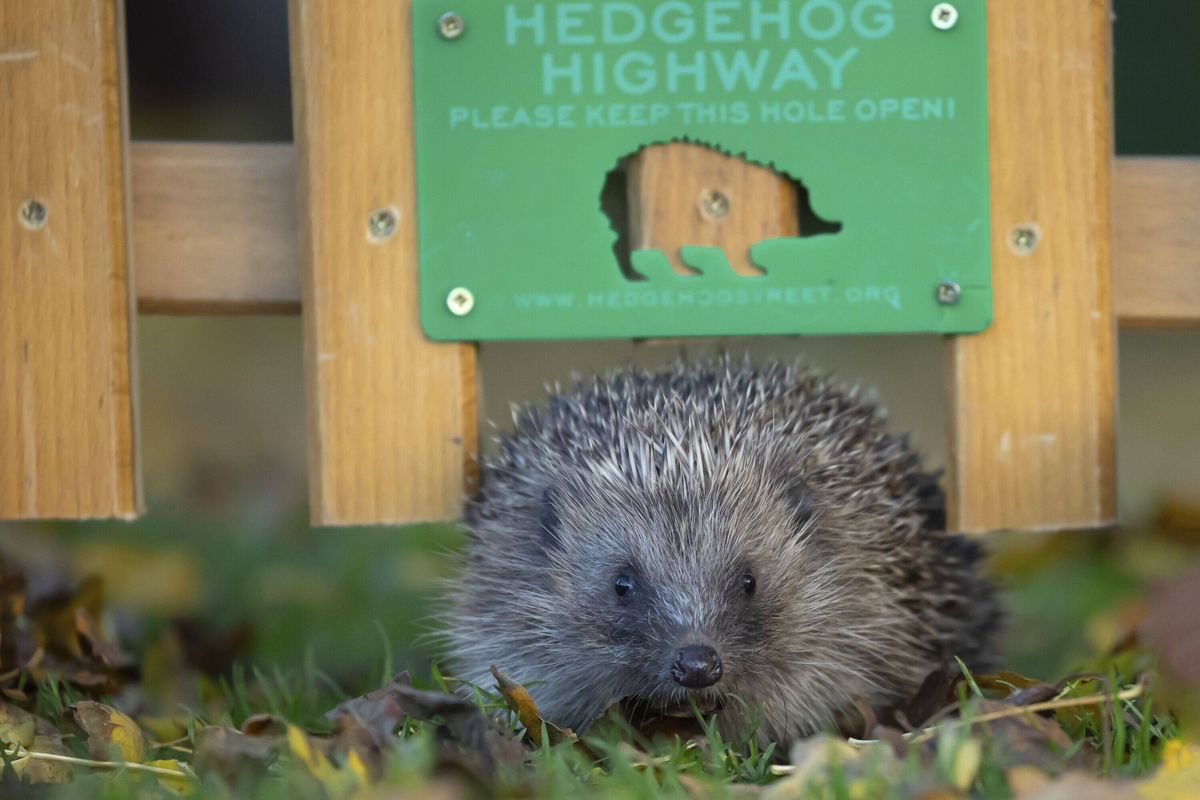
Wild hedgehog live between two to three years but can live up to 10(Image: Getty)
Another effective method of attracting hedgehogs to your garden is keeping things a touch more natural — leave piles of leaves, logs or twigs rather than constantly clearing them away. Tucked into a quiet corner of the garden, they’ll create the perfect hedgehog habitat. In doing so, you’re also nurturing small invertebrate creatures that hungry hedgehogs can feast upon – including slugs, centipedes and beetles.
To make their stay even more comfortable, leaving out food means they won’t need to venture far in search of sustenance. The most suitable option is pet food, with GardenersWorld recommending meat-based dog or cat food. While natural foods remain the ideal choice, these serve as supplementary options for when hedgehogs are unable to hunt for their own protein.
There are certain foods you must absolutely avoid leaving out, namely bread or milk, as these can dehydrate and prove fatal to them. Likewise, mealworms are reportedly linked to a “painful brittle bone disease”. Small kitten biscuits, on the other hand, are perfectly sized for a hedgehog’s tiny mouth.