
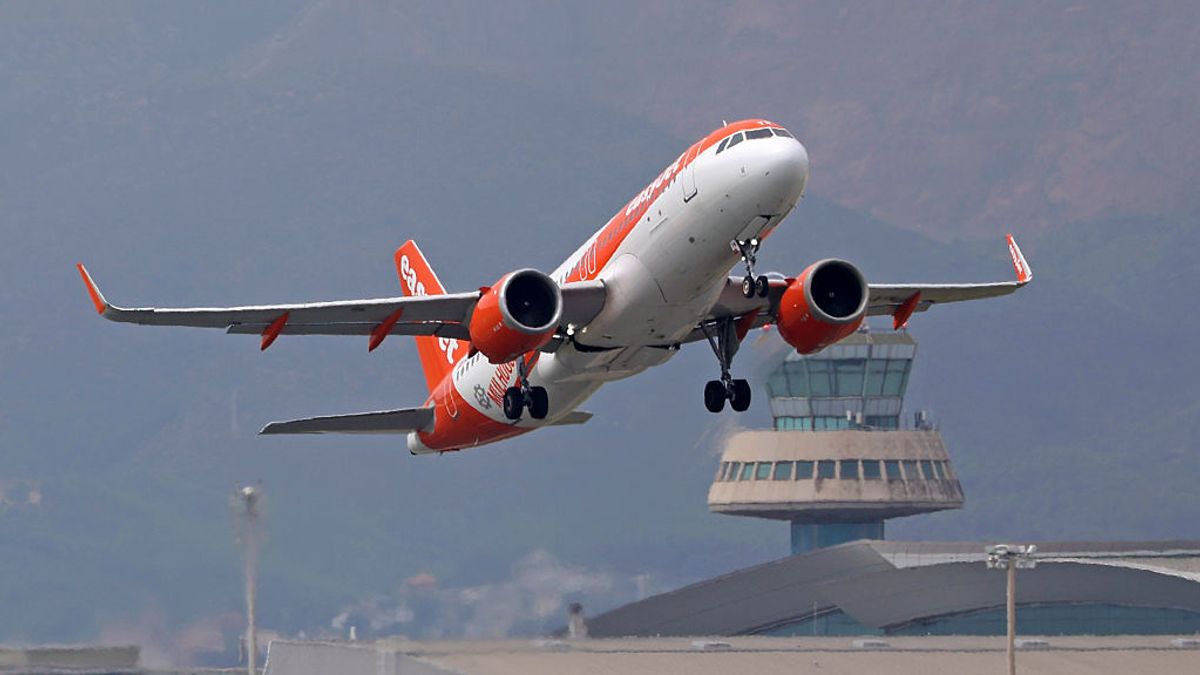
Passengers are being alerted about the possibility of long waiting times and how it may affect their travel plans
EasyJet passengers have been alerted(Image: Getty )
Easyjet has warned passengers in a new alert online, saying: “You will not be able to board and will miss your flight”. The airline explained all in a recent post on social media to a passenger who asked for guidance regarding their upcoming flight.
It comes as EasyJet shared an “important update” on its website last week, alerting passengers that long queues are likely due to new border checks. It said: “Airports across Europe may experience longer queues at passport control whilst the new European Entry/Exit System (EES) border checks are being completed.”
It added: “This will mean you may need to have your biometrics taken, including your face and fingerprints scanned.” As of spring 2026, travellers from outside the EU, including those from the UK, will need to register their fingerprints and take photos.
The new rule may result in long wait times, potentially up to two to three hours at major airports. One passenger reached out to EasyJet after waiting an hour in a passport control queue, which put them at risk of being late to their boarding gate.
On X, a user called KezOsman said: “EasyJet, we have 20 mins left until our flight from Palermo to London takes off, been in finger print queue for an hour now and moved three steps. They let LOADS of BA people through before us who are leaving 10 mins before our flight, and now we’re even more delayed. What will happen?”
Content cannot be displayed without consent
In response, a customer service team member, called Thando, on April 8 said: “Hi Kez, thank you for reaching out. Please note that the boarding gate closes a minute before departure. After it closes, you will not be able to board and will miss your flight.”
As soon as passengers realise they’ll be late to their boarding gate, they should let their airline know via their app, email, or phone. Passengers can also ask airport staff for help, as some airports have electric cars or let passengers with short connections or flights departing soon go to the front of the line.
It is advised that passengers arrive at the airport early to handle any unexpected delays at security or passport control. A spokesperson for ABTA, the association of travel agents and tour operators, says: “We’re advising passengers to go straight to passport control as soon as you have gone through check-in and security; that way you get the EES checks out of the way as early as possible.
“We’re also advising passengers to follow their transport provider’s advice on when to arrive at airports/ports etc. If flying, the usual rule is to arrive at the airport for a flight from Europe at least two hours before, so we’d encourage people to apply that as a minimum, but to also check with their airline and airport.”
Passengers are urged to remain patient as the new system is rolled out. EasyJet suggests:
Plan your travel to and through the airport, as you may experience longer queues.If you need to go to Bag Drop, go there as soon as it opens.Make your way through security as early as possible.There may be additional checks at passport control before your gate.Head to the gate or boarding area as soon as it’s announced.Make sure you have the correct documents to travel.You may experience longer queues in your arrival airport.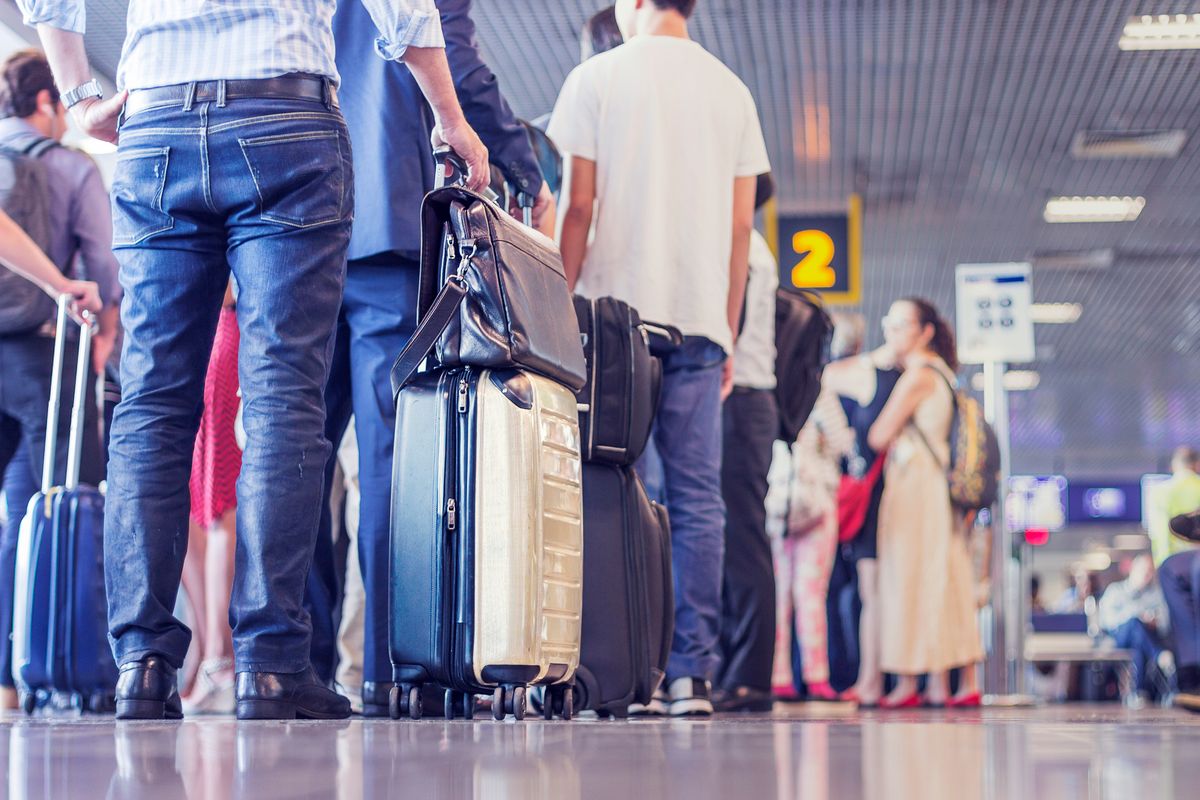
Passengers are advised to arrive early to beat any border check queues (stock image)
The European Union’s new EES started on October 12, 2025. It is a new digital border system that has changed requirements for British citizens travelling to the Schengen area EES checks are being introduced in a phased way for non-EU and UK travellers, with full operation expected from April 2026.
If you are travelling to a Schengen country for a short stay using a UK passport, you will be required to register your biometric data, including fingerprints and a photo, upon arrival. You do not need to take any action before you arrive at the border, and there is no cost for EES registration.
A statement on Gov.uk reads: “After it is fully implemented, EES registration will replace the current system of manually stamping passports when visitors arrive in the EU, but during the phased implementation, border points will also stamp passports. EES may take each passenger a few extra minutes to complete so be prepared to wait longer than usual at the border once the system starts.”
The countries in the Schengen area include: Austria, Belgium, Bulgaria, Croatia, Czechia, Denmark, Estonia, Finland, France, Germany, Greece, Hungary, Iceland, Italy, Latvia, Liechtenstein, Lithuania, Luxembourg, Malta, Netherlands, Norway, Poland, Portugal, Romania, Slovakia, Slovenia, Spain, Sweden, and Switzerland. The Republic of Ireland and Cyprus are not within the Schengen area, so EES is not applicable when travelling to either country.