
By ITV News Multimedia Producer Connor Parker
Dynamic pricing is already prevalent in the travel and music industries, but could it be coming for your weekly shop?
The Bank of England has recently said the introduction of digital price labels instead of physical paper labels could open the door for supermarkets to rapidly adjust prices on their goods.
Supermarkets have fiercely pushed back against the idea, saying the labels will help reduce workload and paper waste and won’t be used for dynamic pricing.
But consumer expert Martyn James told ITV News there would be very little policing of any policy and pointed out “when companies aren’t under scrutiny, sometimes the temptation can get a little bit too much.”
Dynamic pricing is the concept of charging more for something when demand is high and lowering it when demand is low.
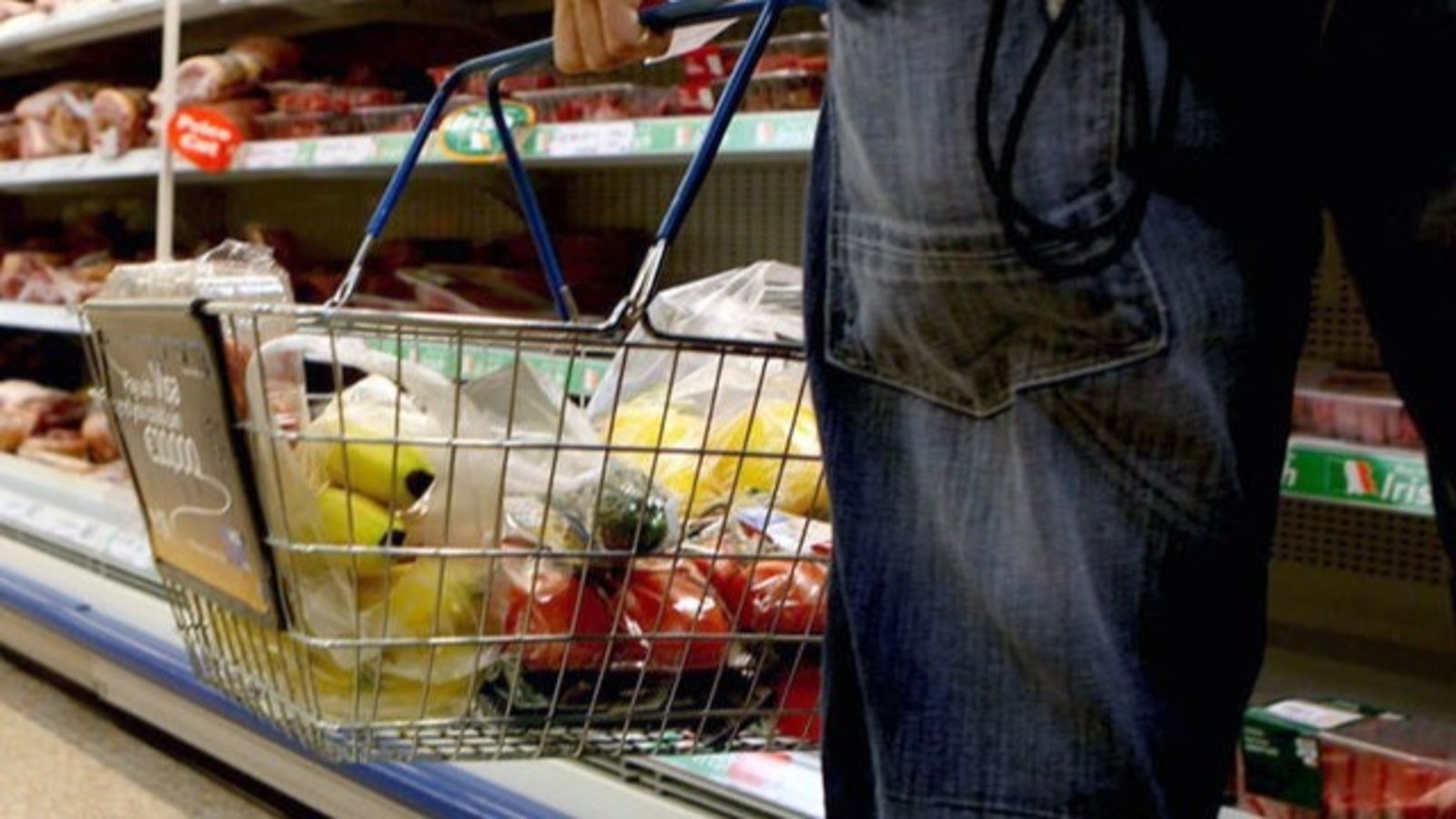
Physically changing price tags can be a time consuming job for retail staff. Credit: PA
It is a well-established tactic, just ask anyone with children how expensive booking a holiday over the summer break is compared to term time.
Supermarkets themselves already engage in it in some way, after all, Easter Eggs are cheapest the day after Easter.
But recent innovations, especially with artificial intelligence has allowed many industries to consider implementing it in a more rapid and targeted way.
In a recent blog post, the Bank of England said: “Technology has also allowed businesses to collect, process and store more data on consumers and their shopping preferences.
“Meanwhile, machine learning models are enabling more finely tuned price setting using this data.
“Instead of relying on simple rules like peak and off-peak fares, firms increasingly deploy predictive models that infer demand curves and monitor competitors to optimise their own prices.”
The Bank also pointed to the growth of electronic shelf labels as a “technology that could enable dynamic pricing in the future.”
The Co-op has already begun using electronic shelf labels in its stores in recent years, and several other big chains have suggested they may bring them in.
When the Co-op introduced the labels, they said they would “improve the customer shopping experience, enhance the transparency of product information, improve inventory management and cut paper waste associated with traditional shelf labels” as well as reduce the workload for their staff.
But the recent BoE article has led to fears that supermarkets could rapidly change their prices to reflect different situations.
For example, what if it rained and all of a sudden your local shop changed its electronic label to make an umbrella more expensive?
But this idea has been flatly rejected by the British Retail Consortium (BRC).
Speaking on behalf of several major supermarkets, Andrew Opie, Director of Food & Sustainability at the BRC, told ITV News: “Supermarkets do not use, and have no plan to use, dynamic or surge pricing in their stores. Digital pricing displays allow retailers to update and check thousands of prices in an effective way, so they can continue to offer great value for customers.”
Supermarkets would likely face intense backlash if they introduced such a scheme, and with such intense competition between big stores, any introduction of dynamic pricing could risk customers changing their shopping habits.
But when speaking to ITV News, James pointed out that while supermarkets already use a form of dynamic pricing to an extent.
James pointed out: “The wonderful world of pricing in supermarkets is already complicated and confused by special offers and buy one, get one free and limited time deals and seasonal deals and different prices in different parts of the country and depending on the size of the supermarket.”
Subscribe free to our weekly newsletter for exclusive and original coverage from ITV News. Direct to your inbox every Friday morning.
James argued ultimately “goods are only ever worth what you’re willing to pay for them anyway,” and with fears of significant food inflation already on the horizon due to the Iran war, the problem might not be dynamic pricing.
The Food and Drink Federation (FDF) warned last week that food inflation could soar by more than 9% by the end of the year, up from the 3.2% that it had forecast in September last year.
The shift has been caused by the effective closure of the Strait of Hormuz and disruption and damage to energy infrastructure in the Middle East, and even with the recent ceasefire, some rises are still inevitable.
This means the average UK shopper is facing a reality where their weekly food shop goes up permanently rather than flexibly.
Have you heard our podcast Talking Politics? Tom and Robert dig into the biggest issues dominating the political agenda in every episode…