
The 90th Masters Tournament is officially underway, so today’s newsletter examines Augusta National’s most interesting and secretive details.
I began assembling this list years ago, but I could never have imagined what it would become. This is our most popular newsletter every year, and this year’s list has dozens of new items. In fact, I actually spent a few days at Augusta National this week, talking to employees and touring exclusive buildings on the property.
What you’ll find below is a bullet point style breakdown covering everything you could imagine about golf’s most iconic venue. I apologize for writing nearly 5,000 words, but I wanted to cover everything, including details surrounding Augusta National’s unique media rights deal, a deep dive into the club’s $500 million real estate portfolio, specific revenue numbers for merchandise sales and home rentals, and even insight into the club’s membership process and initiation fee.
If that isn’t enough, we also discuss private jet economics for the Masters, $10,000 hospitality tickets, and Augusta National’s network of secret underground tunnels.
This newsletter is for paid subscribers only (because it takes me weeks to put together, and that’s what they pay me for). But if you’ve been thinking about upgrading, today is the day. This is the most comprehensive breakdown of Augusta National anywhere on the internet — and no matter how big a golf fan you are, I guarantee you’ll find multiple details you’ve never even considered.
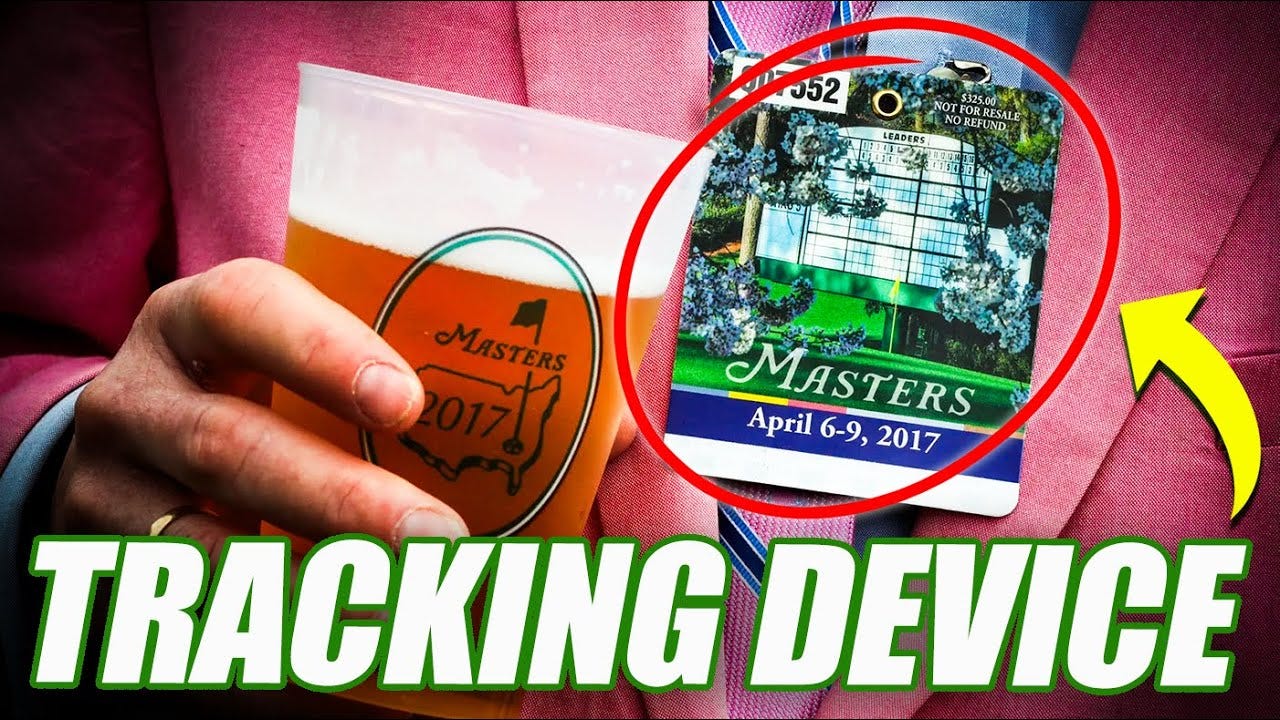
RFID Tracking Chips: Augusta National provides each media member with a badge upon arrival. These badges provide exclusive access to the tournament and media center each day, but they also contain an RFID tracking chip. This allows club officials to see exactly where everyone is located on the property at all times.
Media Rights: The Masters has the most unique media rights deal in sports. ESPN and CBS don’t pay any money to broadcast the tournament. Instead, they simply invoice Augusta after the tournament to cover production costs. Augusta then forwards this invoice to their sponsors (AT&T, IBM, Mercedes-Benz, and Bank of America), who pay approximately $5 million each in exchange for four minutes of commercial time per hour. Augusta likely sacrifices more than $100 million each year by doing it this way, but it allows them to control everything — from what broadcasters are allowed to say on television to what shots they show.