
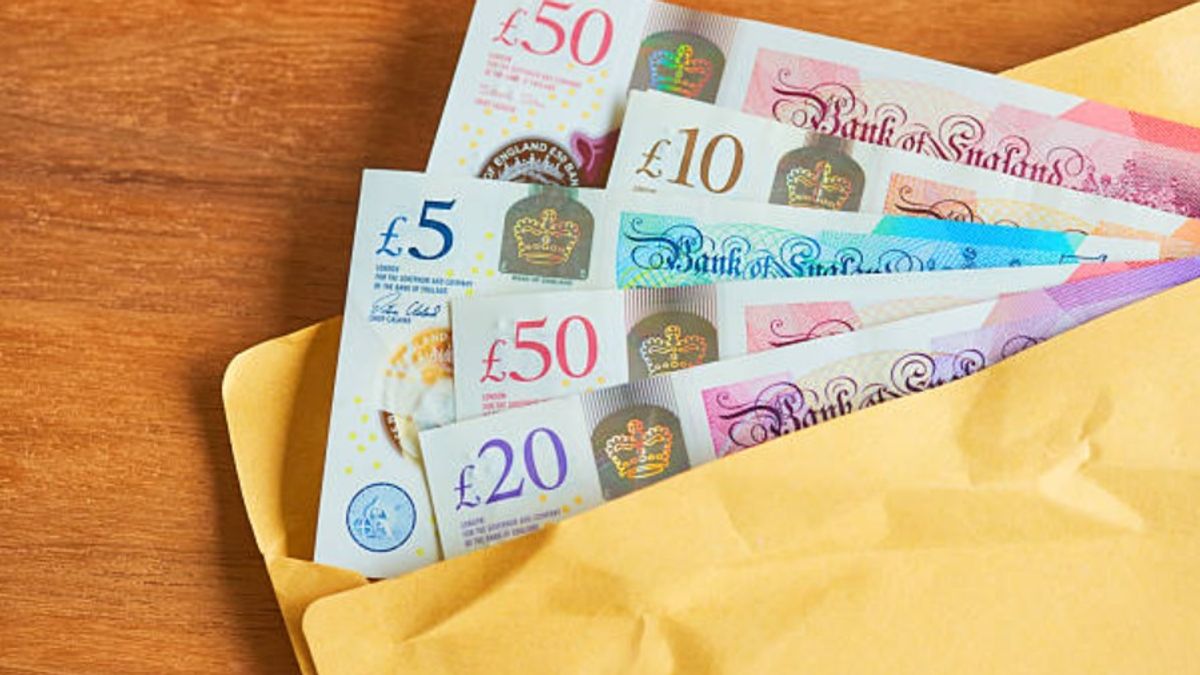
The basic state pension is rising thanks to the Triple Lock this month, with older retirees set to benefit.
State pensioners born before 1953 being given £740 from DWP in April
State pensioners born before 1953 are being given £740 from the Department for Work and Pensions (DWP) in April. The basic state pension is rising thanks to the Triple Lock this month, with older retirees set to benefit.
The basic state pension rate is paid out to older people born before 1953, if they’re women, and 1951, if they’re men. How much basic State Pension you get depends on your National Insurance record.
The full basic State Pension is £184.90 per week. It works out at £740 a month, roughly, according to the new rates published by the DWP and Labour Party government.
READ MORE Major UK parcel firm collapses in blow for households awaiting deliveries
To get the full basic State Pension you need a certain number of qualifying years of National Insurance.
If you’re a man you usually need 30 qualifying years if you were born between 1945 and 1951 or 44 qualifying years if you were born before 1945.
If you’re a woman you usually need 30 qualifying years if you were born between 1950 and 1953 or 39 qualifying years if were born before 1950.
If you have fewer than the full number of qualifying years, your basic State Pension will be less than £184.90 per week.
A qualifying year counts if, in that year, one or more of the following applies: you were working and paying National Insurance or you got National Insurance Credits, for example you were unemployed, sick, or a parent or carer or you paid voluntary National Insurance contributions.
You might get more if you’re eligible for Additional State Pension or you delayed (deferred) taking your State Pension.
You can defer even if you’ve started getting the basic State Pension. The basic State Pension increases by 1% for every 5 weeks you defer.
Under the Triple Lock metric, the basic State Pension increases every year by whichever is the highest of the following: earnings – the average percentage growth in wages (in Great Britain) or prices – the percentage growth in prices in the UK as measured by the Consumer Prices Index (CPI) or 2.5%.